Last updated November 21, 2026
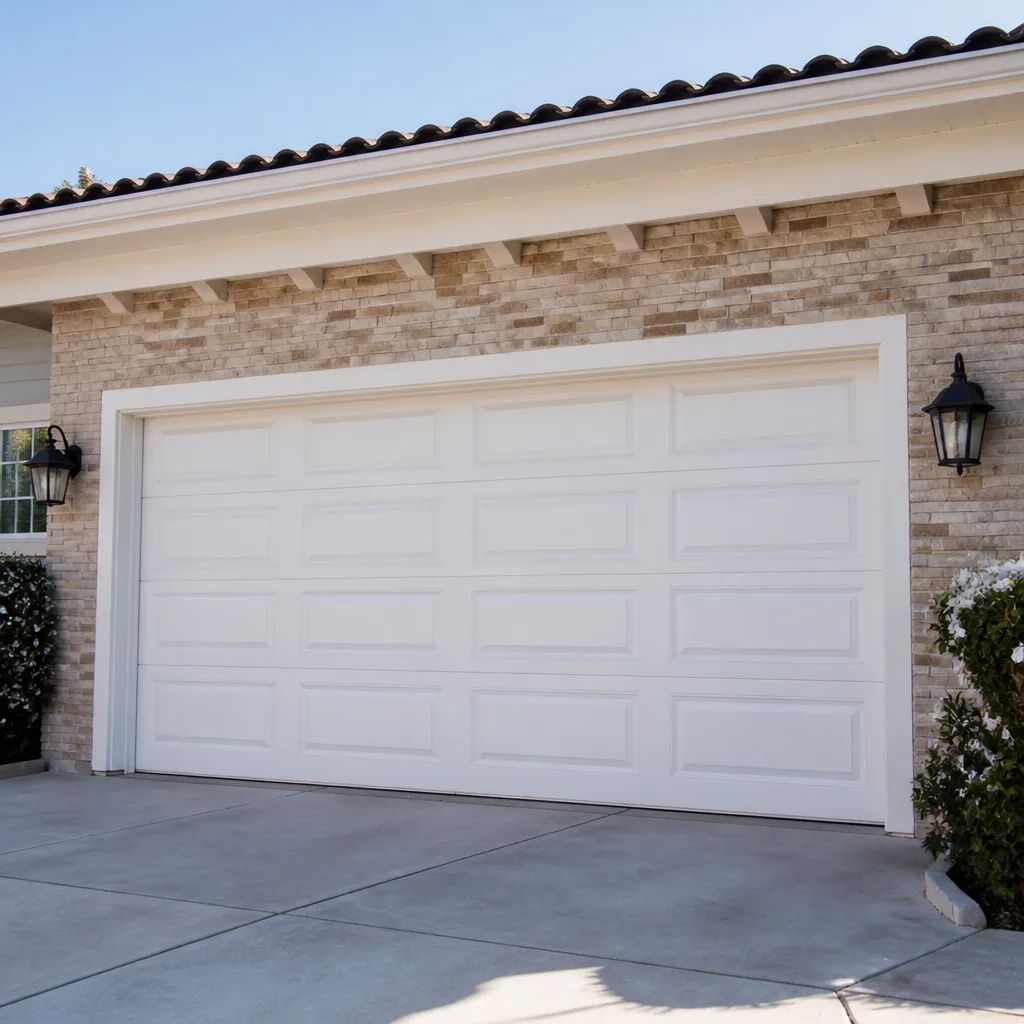 Raised-panel steel
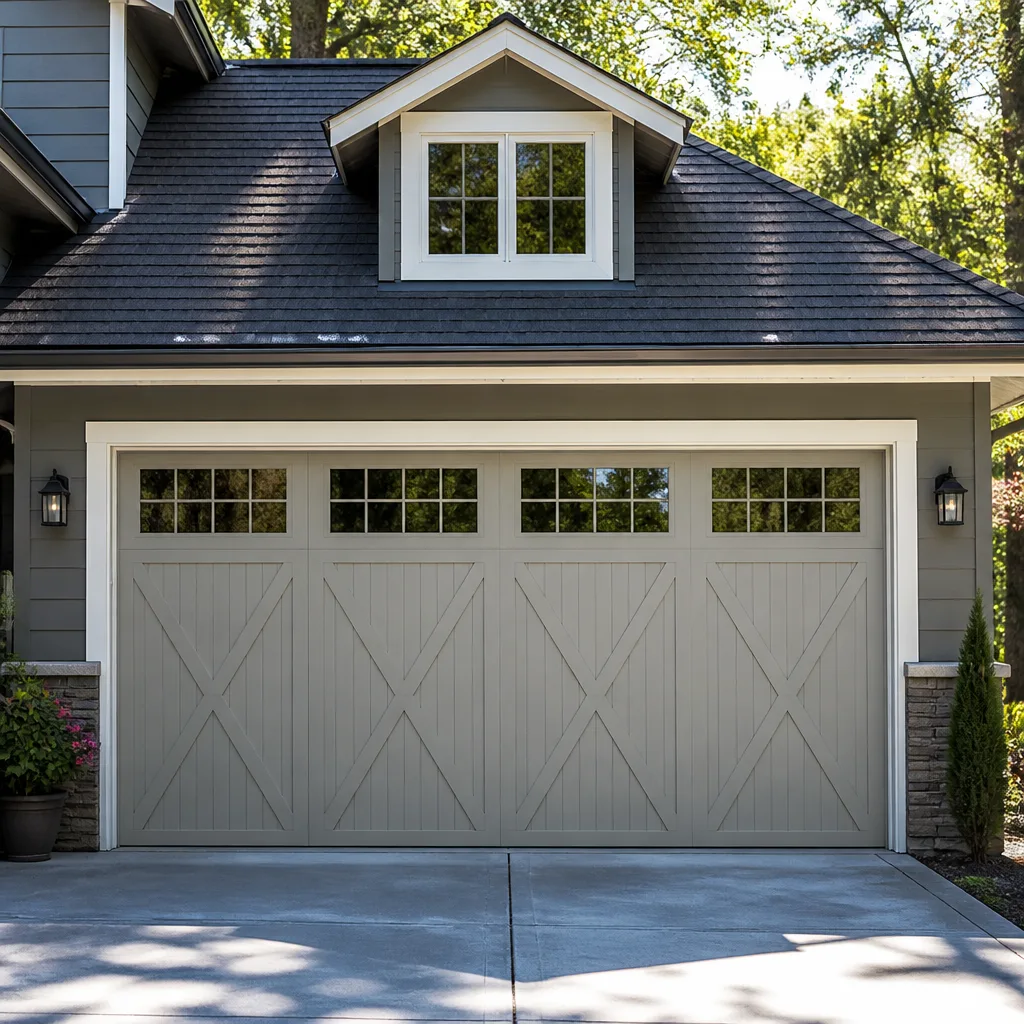 Carriage house
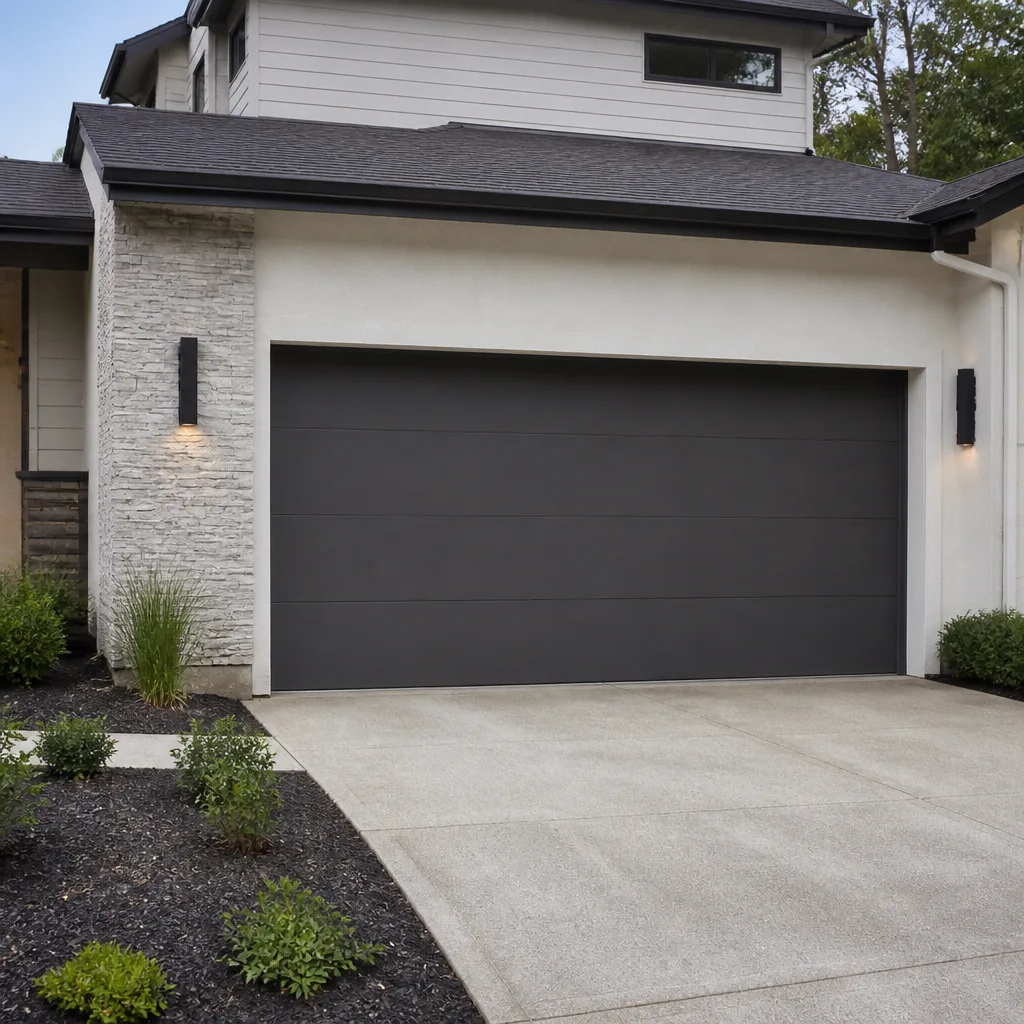 Modern flush
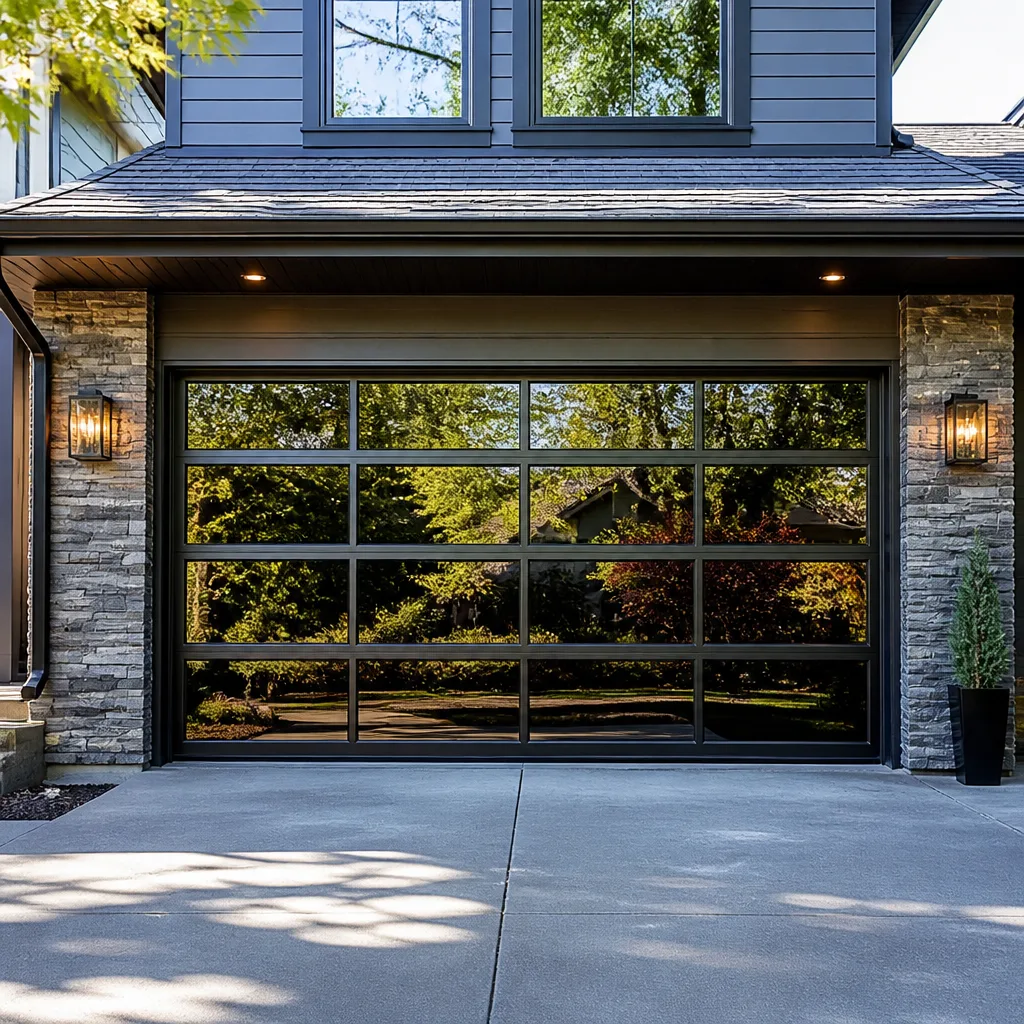 Full-view glass
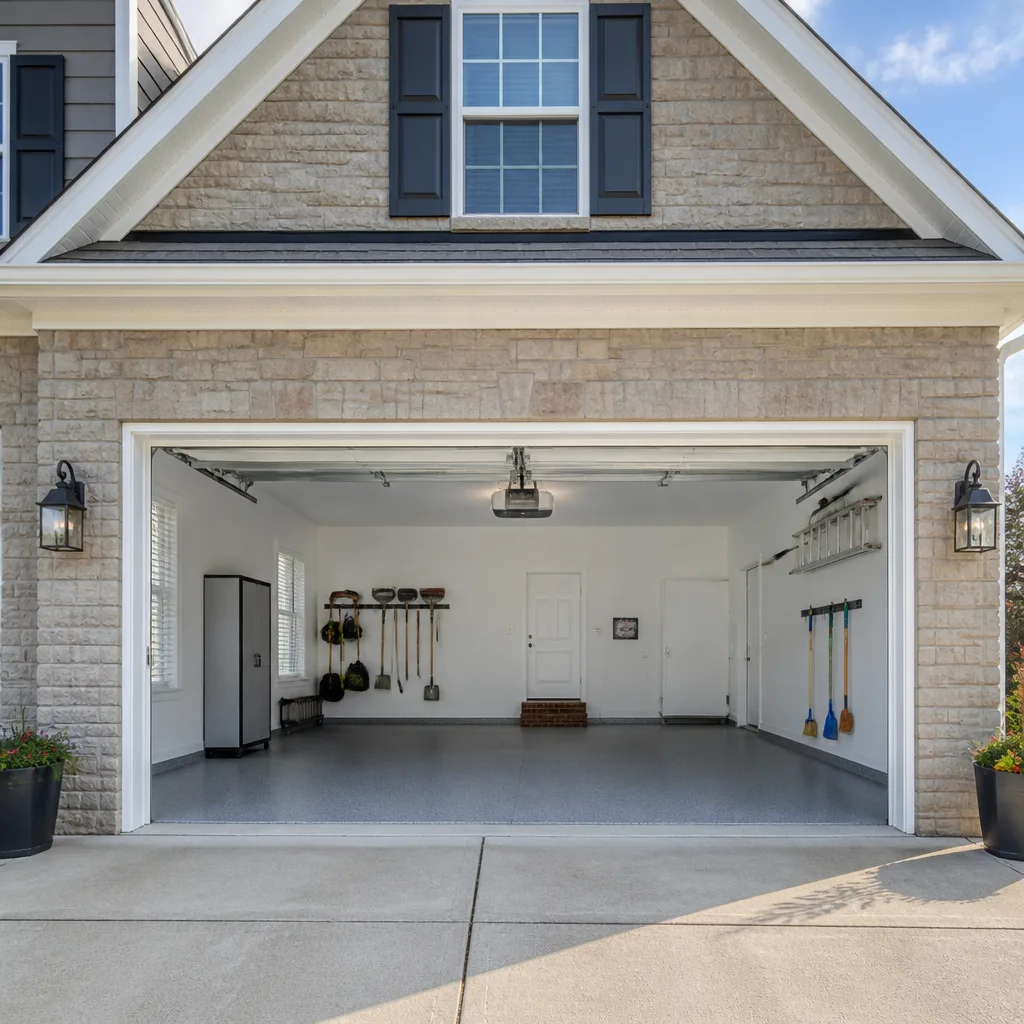 LiftMaster openers
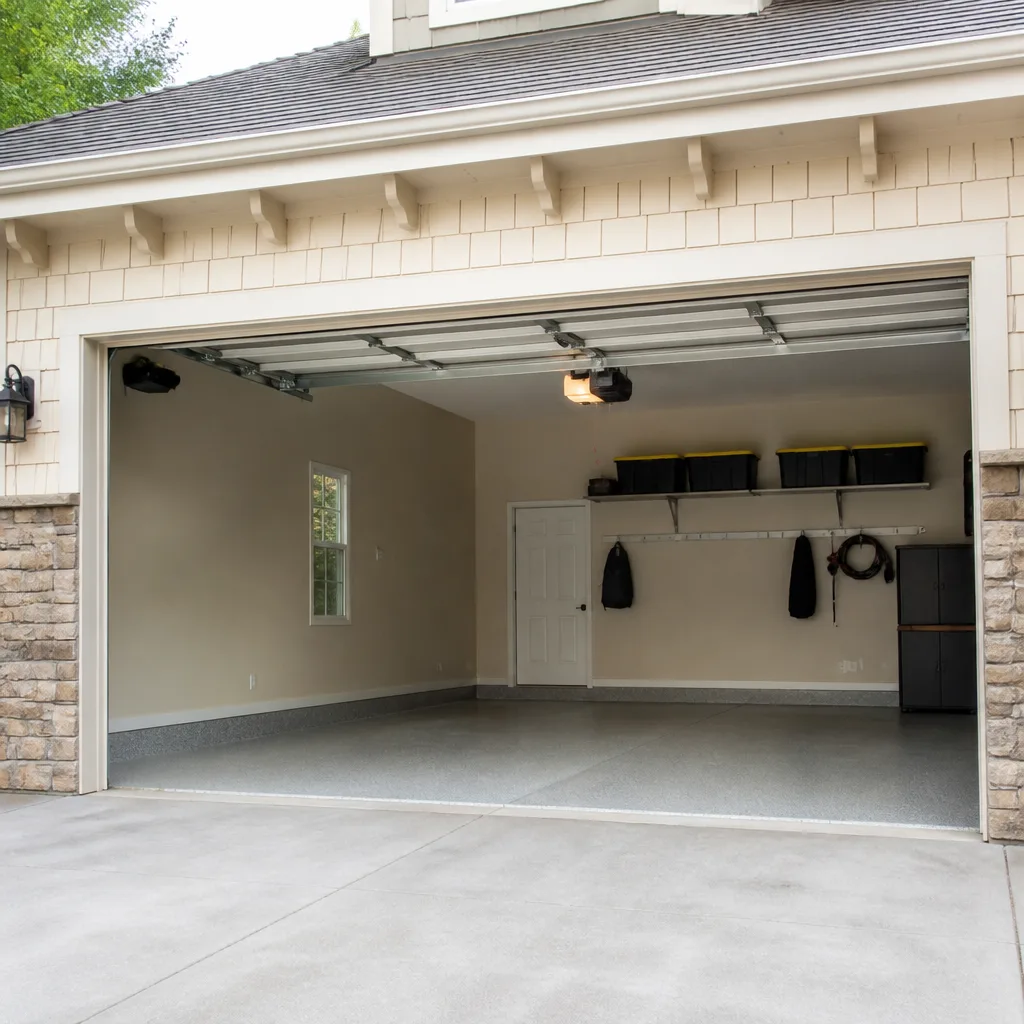 Chamberlain openers
Full 25-point door and opener safety check with every visit - springs, cables, rollers, tracks, and your LiftMaster or Chamberlain opener included
You get a price before we start. It does not change when the pro arrives.
Get your free estimateGarage Door Repair Troubleshooting in Pasadena: Common Problems and How to Fix Them
A garage door that “just stopped working” almost never fails without warning. The signs were there for weeks – a grind that got a little louder, a door that hesitated before reversing, a panel that started rubbing the track – and each one was written off as a normal quirk. That habit costs Pasadena homeowners money, because almost every door failure announces itself long before the door quits. This guide maps the sounds and symptoms you’re hearing to the parts actually making them, splits the fixes that are safe to try from the ones that can hurt you, and shows you how to tell a dead opener from failing hardware. Read it before you call anyone, including us.
Quick Answer
Most garage door problems fall into one of five mechanical categories: spring and tension loss, track misalignment, roller and hinge wear, opener or drive faults, and sensor or safety-reverse issues. If you can match your door’s symptom to its category, you’ll know whether you’re looking at a quick adjustment or a component replacement. Popping under a loud bang means a spring; grinding or scraping means rollers, bearings or a bent track; a dead remote with a working wall button almost always points to the opener, not the door.
Styles & brands we work with
- Raised-panel steel
- Carriage house
- Modern flush
- Full-view glass
- LiftMaster openers
- Chamberlain openers
Table of Contents
- The Symptom-to-Cause Diagnostic Tree
- What Garage Door Noises Are Telling You
- Why Pasadena Humidity and Heat Push Tracks Out of Line
- Door Stops Mid-Travel: Limit Switch or Torsion Spring?
- Which Fixes Are Safe to Try and Which Aren’t
- How to Test the Opener Before You Blame the Door
- What a Service Call in Pasadena Usually Involves
The Symptom-to-Cause Diagnostic Tree
Before you touch anything, run the symptom through five questions. Each one narrows the field fast, and none of them require tools.
- Does the opener run but the door doesn’t move? A motor you can hear with a door that sits still points to a broken spring, a snapped cable, or a disconnected emergency release. On a door with torsion springs, that usually means a spring failure.
- Does the door move an inch and stop? That’s the safety reverse working correctly. Look at the photo eyes near the floor first, then the force setting.
- Does the door make noise but fail to close? Check for something in the path, then look at the bottom seal and the track at floor level.
- Does the door go up crooked or bind halfway? Track alignment or a worn roller. Step back and look along the track like a sight line.
- Does the door work from the wall button but not the remote? This is an opener-side problem, not a door problem, and the fix is in the control board, battery or antenna, not the hardware overhead.
In Pasadena, the most common answer among these five is a spring. The second most common is a track that has crept out of line. Where you end up after those two questions tells you whether this is an adjustment, a part, or a replacement.
What Garage Door Noises Are Telling You
The type of noise is a diagnostic readout. A squeak and a pop come from different parts and mean different things. Listen once with the door moving and you’ll usually get your answer in under a minute.
- Grinding: Usually the rollers. Steel rollers with dry bearings grind against the track, and nylon rollers wear flat and start to chatter. Grinding is often a lubrication and roller-replacement job, not a structural problem – unless the grinding is uneven, which points to a bent track.
- Popping or a single loud bang: This is the sound of a torsion spring breaking. It’s sharp, sudden, and followed by a door that won’t lift. This is not a DIY repair. Springs are dangerous and under heavy tension; leave it to a trained technician.
- Scraping: A panel or a hinge is rubbing the track. Common after the door takes a light bump or after a hinge loosens.
- Rattling: Loose hardware – hinge bolts, track brackets, or a lube-starved chain. Usually the cheapest fix on this list.
- Clicking near the opener head: The gear assembly or a limit switch. Common on older Craftsman and Genie units that have done their years.
Listen for a pattern, not a single noise. A grind that only happens in the second half of travel means the track has shifted at one end, not that every roller is worn. That distinction is what keeps a repair from turning into a replacement quote.
Why Pasadena Humidity and Heat Push Tracks Out of Line
Pasadena sits in the Gulf Coast climate – humid summers, mild winters, and a wide swing between the daytime high and the overnight low through most of the year. That swing matters more to a garage door than most people realize.
Track is thin-gauge steel. When it heats during a warm Pasadena afternoon, it expands slightly. When the evening cools, it contracts. Repeated hundreds of times a year, that movement works the lag bolts that hold the track to the door frame loose, a fraction of a turn at a time. Add the humidity, which lets wood framing swell and shrink seasonally, and the track drifts out of plumb on one side. You end up with a door that rubs on one side and clears on the other.
You can spot it without a level. Stand inside the garage and sight down each track as the door moves. The roller should sit centered in the channel the whole way. If the roller rides the top of the channel going up and the bottom coming down, the track is out. A track that’s come loose is an easy adjustment. A track that’s bent has to be replaced. In our experience across Pasadena homes, the misalignment is usually the loose-bracket kind – which is the cheaper fix – provided it’s caught before the rollers wear flat against the drift.
Door Stops Mid-Travel: Limit Switch or Torsion Spring?
These two failures look similar from the driver’s seat and are completely different repairs. Here’s how to tell them apart in one pass.
A limit switch problem lives inside the opener. The door moves smoothly to a point and stops clean – no bang, no crack, no slow creep. It just refuses to finish the travel, or the motor reverses at the same spot every time. The door itself feels balanced. If you disconnect the opener (pull the emergency release) and lift the door by hand, it moves easily and stays where you leave it.
A torsion spring problem is mechanical. The door is heavy when you try to lift it by hand. It may sag on one side. It may have started fine and quit partway through the travel after the spring lost the last of its tension. The bang you may or may not have heard is the tell.
Run the manual test. Disconnect the opener, lift the door halfway, and let go. A balanced door stays put. A door that crashes down or refuses to lift is a spring or cable issue, not a limit switch.
Limit switch adjustment is a safe, mechanical tweak most homeowners can do with the manual. Spring and cable work is not. Springs are dangerous and under heavy tension; leave it to a trained technician. If your manual test tells you the door is heavy, put the ladder away.
Which Fixes Are Safe to Try and Which Aren’t
This is the line most homeowners cross in the wrong direction. Some garage door maintenance is genuinely safe. Some of it is among the most dangerous repairs in a home. Here’s the honest split.
Safe for most homeowners
- Lubricating rollers, hinges and springs (with a proper garage door lubricant, on the spring coil only – never on the torsion bar itself). This quiets grinding and extends roller life.
- Cleaning and aligning the photo eyes. Wipe the lenses, check the LED on each unit, and make sure they face each other square. This fixes most “won’t close” complaints.
- Tightening loose hinge and bracket bolts with a socket set. Ten minutes and a torque check will quiet a rattle.
- Replacing batteries in the remote and testing the wall button.
- Clearing the safety reverse path at floor level. Check the seal, the threshold, and anything leaning against the track.
Not safe without proper training and tools
- Torsion spring replacement. The spring is under hundreds of pounds of tension. Winding bars, a proper winding count and a controlled release are not something to learn from a video. Springs are dangerous and under heavy tension; leave it to a trained technician.
- Cable removal or adjustment. The cables are the second half of the same tension system. A cable under load can whip with serious force.
- Cable drum work. Any work on the drums assumes you’ve already safely released the spring tension, which most homeowners can’t do.
- Replacing a bent track on a torsion door without first securing the door. The track holds the door’s weight at the ends.
The pattern is simple: anything holding the door’s weight under tension belongs to a trained technician. Everything you can clean, tighten or lubricate belongs to you. Call garage door spring repair the moment a spring or cable is in play.
How to Test the Opener Before You Blame the Door
Half the service calls we run in Pasadena turn out to be an opener problem, not a door problem. Before you call anyone, you can find out which side of the equation you’re on in about five minutes. Follow these steps in order:
- Press the wall button, not the remote. If the door moves, the door hardware is fine and the issue is in the remote, the receiver, or the battery.
- Pull the emergency release. Run the door by hand. If it’s smooth and balanced, the door hardware is fine and the opener is suspect.
- Check the LEDs on the photo eyes. Both should be solid. A blinking light means misalignment or a wiring fault, which will stop the door before it closes even if everything else works.
- Look at the opener’s diagnostic light. LiftMaster and Chamberlain units flash a code on the control board that tells you what failed – count the flashes and check the manual. Older Genie and Craftsman units often have a simpler indicator but the same idea.
- Try a fresh battery in the remote and confirm the wall button still works. If the wall button works and the remote doesn’t, the door is fine.
If the door runs by hand and the opener runs by wall button but the door won’t move from either, you’ve got an opener firmware or control-board fault. If the door is heavy by hand and nothing runs the motor, you’ve got a mechanical failure. Agree with yourself which of those two you have before you call. It saves time and it keeps the conversation honest on both ends. When it’s the electronics, garage door opener repair is the call, and both brands we work on most often – LiftMaster and Chamberlain – use the same flash-code logic.
What a Service Call in Pasadena Usually Involves
Calling a repair company doesn’t have to be a mystery. Here’s what the visit looks like when it’s done properly, whether the problem is a noisy roller or a dead opener. Every visit starts with a written or verbal diagnostic before anything is touched, and the price is quoted and agreed before any work starts.
The technician runs the door by hand first. That tells them whether the door is balanced or heavy. Then they run it under power and listen at each point of travel, first at the opener, then at each track roller, then at the spring assembly. This is where the diagnosis actually happens.
From there, the visit usually falls into one of four categories: an adjustment (track alignment, photo eye, limit switch), a hardware replacement (rollers, hinges, spring, cable), an opener repair or replacement, or an honest assessment that the door is past repair and a new door is the better spend. In a Pasadena home, the spring and roller jobs are the most frequent, and the “new door” conversation is the least frequent – most failures are fixable.
If you’re in the middle of a busy week and the car is trapped in the garage, our emergency garage door service exists for exactly that. We can’t promise a specific arrival window we haven’t confirmed, but we’ll give you a straight answer on the phone about what today looks like. A full range of service from a broken spring through to a brand-new door means one call covers it. If the door is beyond repair, or you’re planning a replacement, that’s a different conversation – a free measure and a written price, not a same-day work order.
Common Mistakes to Avoid
- Pulling the emergency release while the door is under tension. If the spring is already broken and the door is up, pulling the release lets the door drop hard. Close the door slowly by hand first, then release.
- Forcing a stuck door with the opener. If the door won’t move freely by hand, the motor is not the fix. Forcing it grinds the gear assembly and turns a spring repair into a spring-plus-opener repair.
- Spraying WD-40 on the torsion spring or track. It attracts dust that gums up the rollers. Use a proper garage door lubricant, and use it sparingly on the spring coil.
- Blaming the remote when the wall button is fine. Nine times in ten, the door is fine and it’s the remote battery or a dead receiver. Check the wall button first.
- Assuming a noisy door is a normal door. In Pasadena’s humidity, a grinding roller gets worse faster than it will in drier parts of the state. Noise is information; don’t wait it out.
- Letting a loose track go until the rollers wear flat. A loose bracket is a five-minute fix. New rollers are not. Catch it while it’s still a bracket.
- Calling a general handyman for a spring. Spring work requires proper tools and training. A generalist without those tools turns a manageable repair into a dangerous one.
See the difference
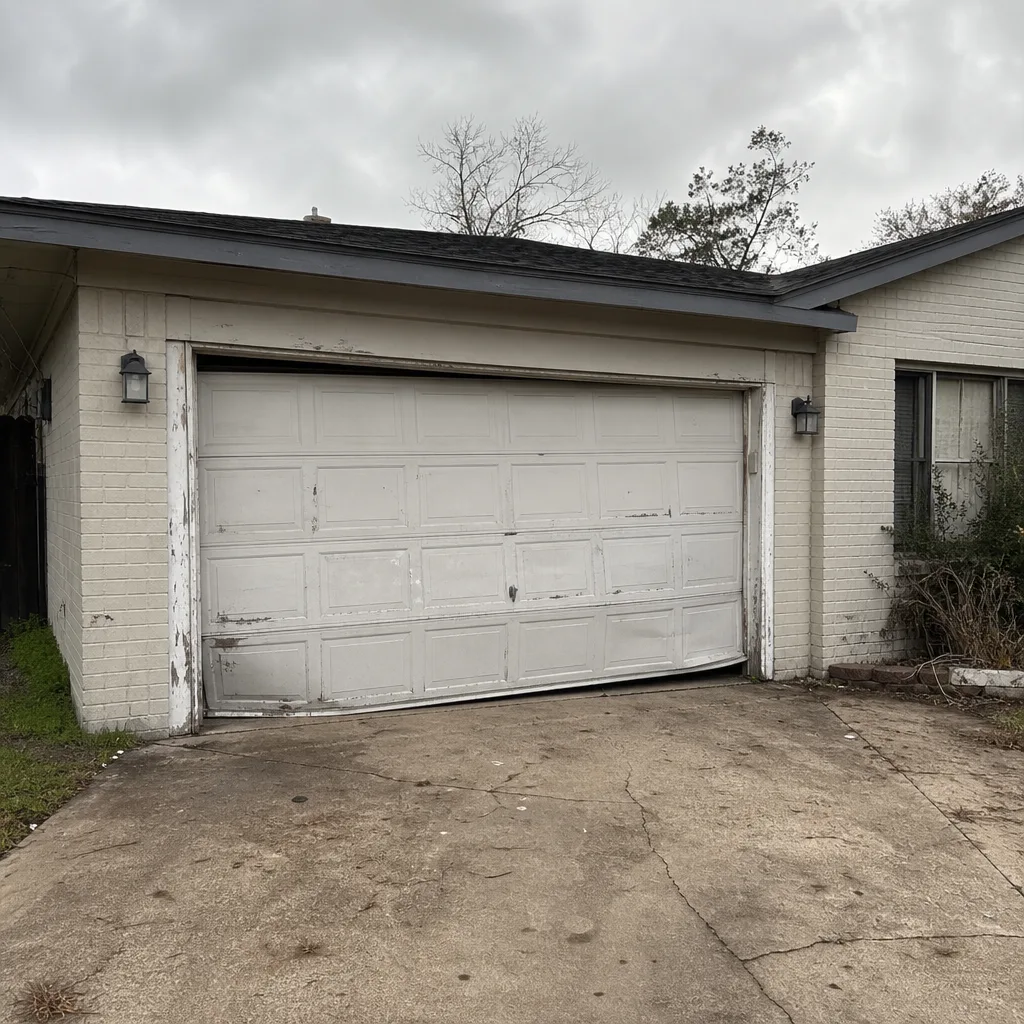 Before
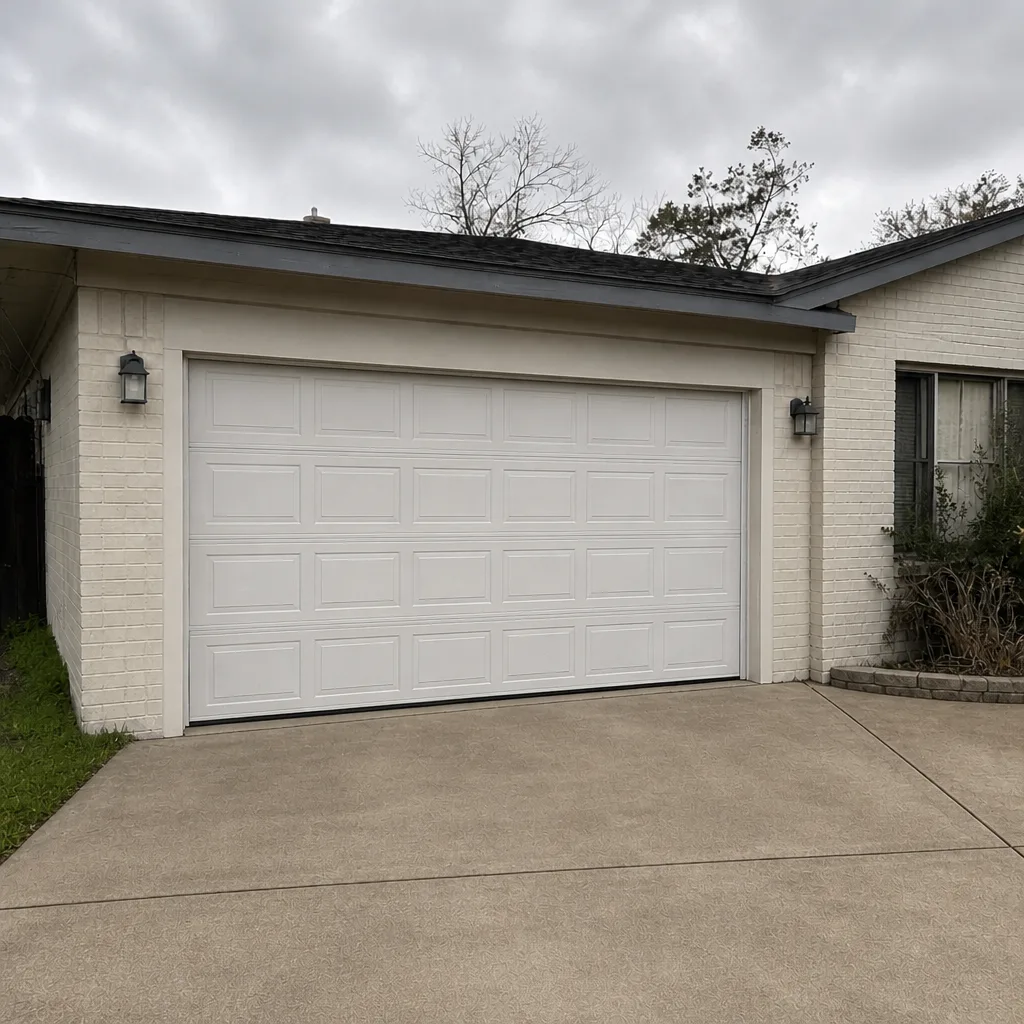 After
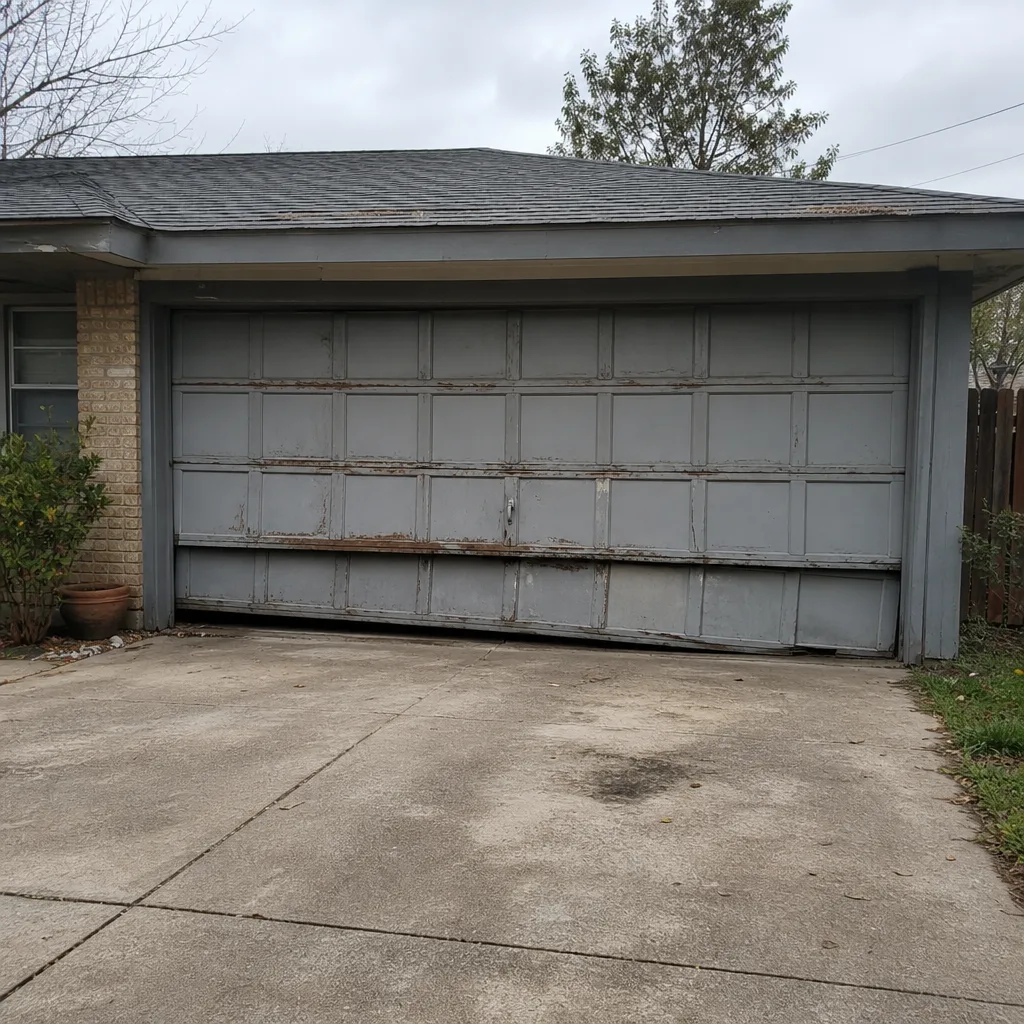 Before
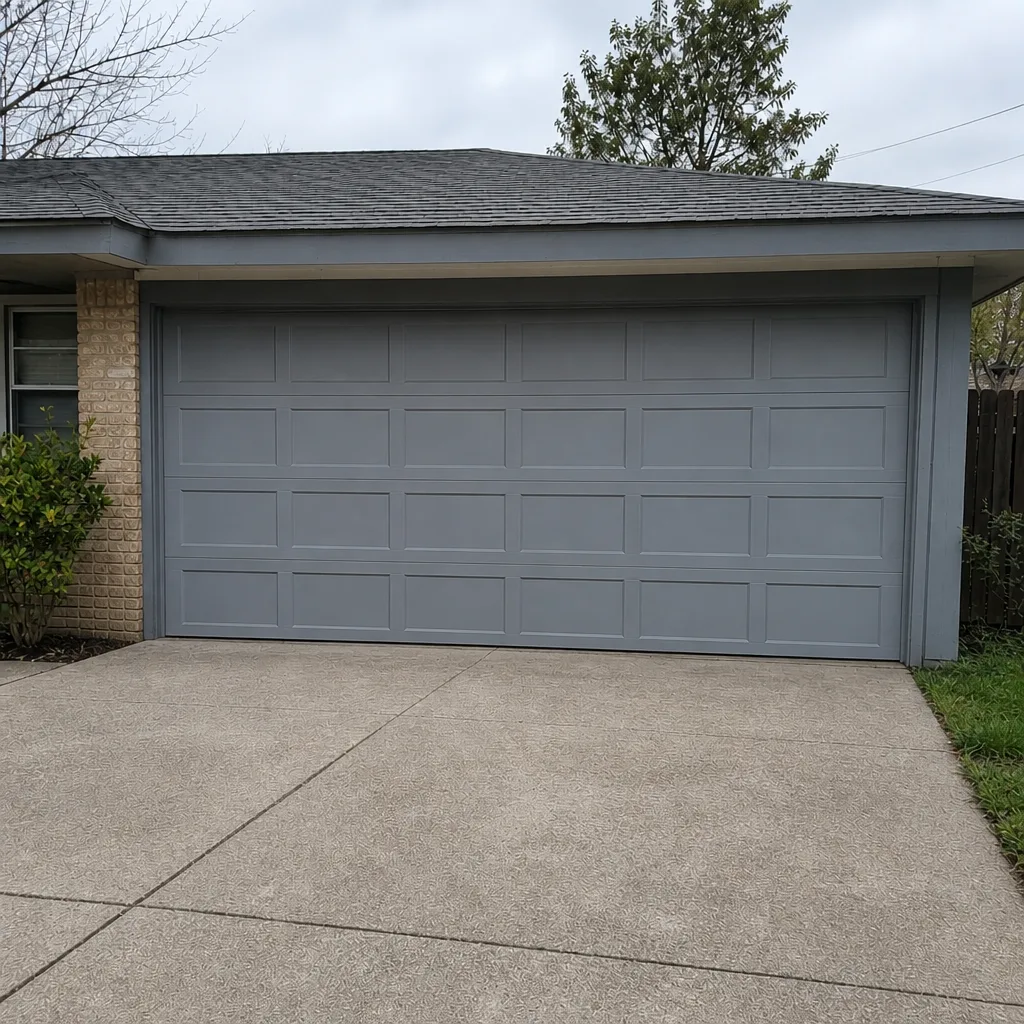 After
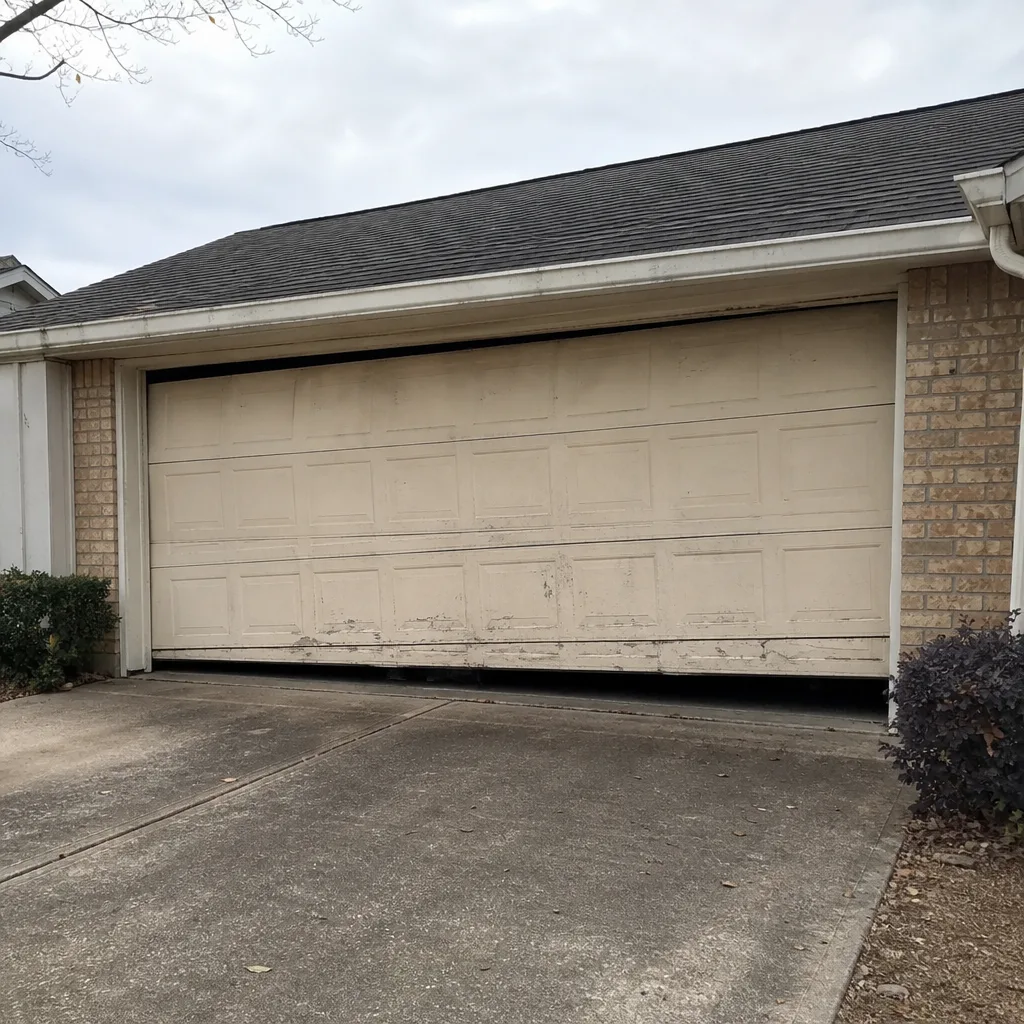 Before
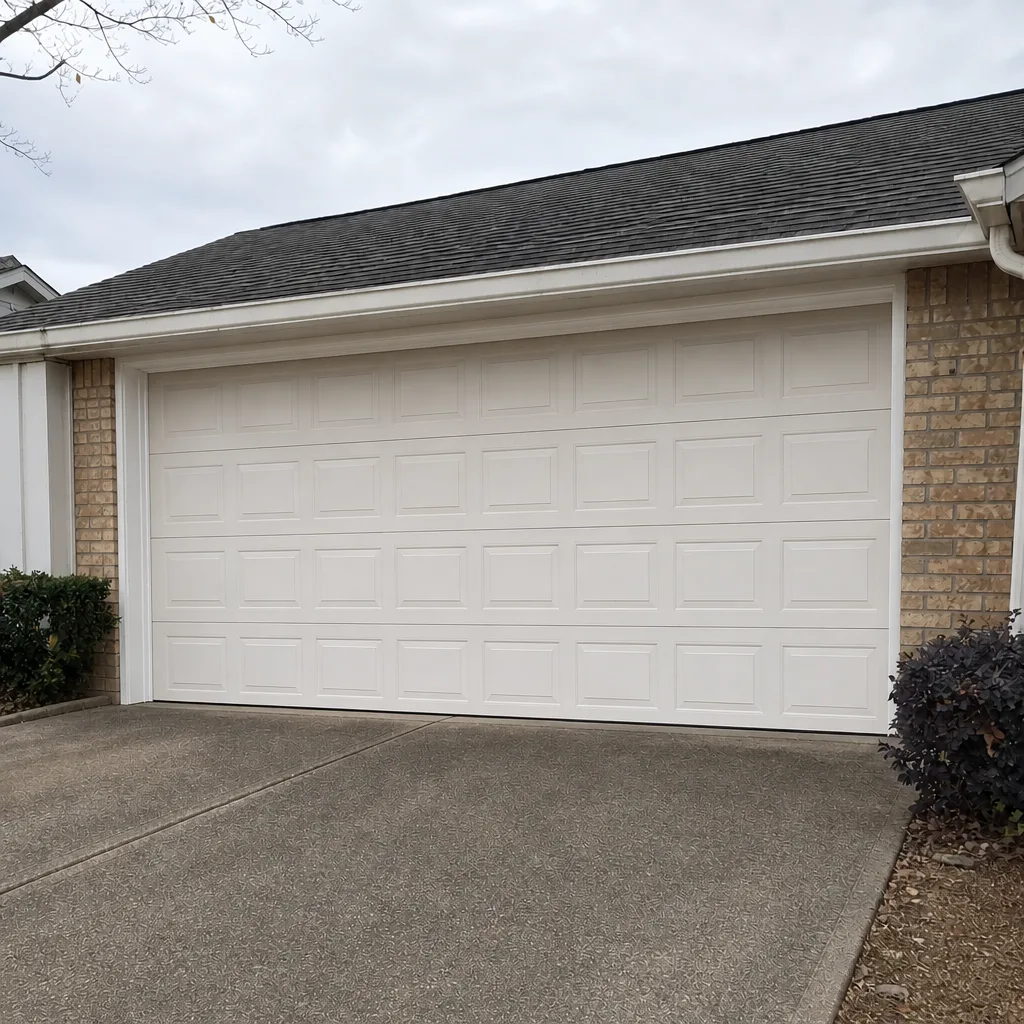 After
When to Call a Professional
Call a trained technician any time a spring is broken or slack, a cable is loose or off its drum, the door is heavy by hand, or the door hangs crooked and won’t square up with a track adjustment. Call when the door crashes down on the floor or reverses for no visible reason after the photo eyes are clean. Call when the opener’s control board is flashing a code you can’t match to the manual, and call when the door is over a car or over a walkway you use daily and you aren’t sure it’s safe. Pasadena Garage Door Repair Pros offers free estimates in Pasadena – call (866) 964-5170. Our technicians have up to 10 years of experience, we work on the brands already on your home, and the price is quoted and agreed before any work starts.
Frequently Asked Questions
Spring repair in Pasadena typically starts in the low-to-mid $200s for a single spring and runs to about $400 depending on the door’s configuration, and a matched pair is usually replaced together, so a pair costs roughly twice a single spring. We quote the price on-site and it’s agreed before any work starts, so there’s no surprise on the invoice. The exact figure depends on spring type, door weight and access. Call (866) 964-5170 for a free estimate.
We offer same-day emergency service for a door that’s stuck or leaving the home unsecured, and the fastest way to find out what today looks like is to call (866) 964-5170. We won’t promise a window we haven’t confirmed. If the door is stuck closed with a car inside, that’s the priority call. Estimates are free.
Pull the emergency release and run the door by hand. If it’s heavy or won’t lift, the problem is the spring or cable. If it lifts smoothly and stays where you leave it, the problem is the opener. That one test tells you which call to make. Our garage door repair team handles both.
A door that refuses to close with clean, solid photo-eye LEDs usually has a force-setting or travel-limit problem in the opener, or something is obstructing the bottom seal. Check for an object under the seal, then check the opener’s travel limits against the manual. If both check out, it’s an opener-side diagnosis. Call (866) 964-5170 and we’ll talk through it.
Pasadena’s humidity and the wide day-to-night temperature swing work the track lag bolts loose a fraction of a turn at a time, so the track drifts on one side. Once it’s tight and aligned properly, it usually stays put for years. If it keeps drifting, the brackets are worn and should be replaced rather than retightened again.
The local professional who comes to your home is licensed and insured as Texas requires. We’ll confirm the details before the visit so you’re not guessing. Call (866) 964-5170 and we’ll cover it on the phone.
The written price you agree to before the work starts is the price. If we find a second problem while we’re there – a worn roller or a loose bracket – we’ll tell you what it costs and let you decide before we touch it. No surprise line items. Call (866) 964-5170 for a free estimate.
The Bottom Line
Almost every garage door failure traces back to one of five causes: spring and tension loss, track misalignment, roller and hinge wear, opener faults, or safety sensor issues. Match the symptom to the cause with the diagnostic tree and you’ll know immediately whether you’re facing a quick adjustment or a part replacement. Anything that holds the door’s weight under tension – springs, cables, drums – belongs to a trained technician. Cleaning, lubricating, tightening and photo-eye alignment belong to you. Catch the warning signs early and a Pasadena door is a low-maintenance system. Ignore them and you’ll meet a spring failure on a morning you can’t afford one. When it’s time, Pasadena Garage Door Repair Pros offers free estimates and we work on the brands already on your door. Call (866) 964-5170. The price is quoted and agreed before any work starts.
Get a Free Estimate Today
Whether your door is grinding, sticking, or just making a noise you don’t trust, a five-minute phone call usually tells you more than an hour of guessing. Call (866) 964-5170 for a free estimate in Pasadena. We work on LiftMaster, Chamberlain, Genie, Craftsman, Clopay, Amarr, Wayne Dalton and Raynor systems – whatever is on your home already – and one call covers diagnosis, repair, opener work, spring repair and new-door installation. Same-day emergency service is available for a door that’s leaving the home unsecured. Springs are dangerous, so leave those to a trained technician. The right fix, not the fastest upsell.
Written by the team at Pasadena Garage Door Repair Pros.