Last updated November 21, 2026
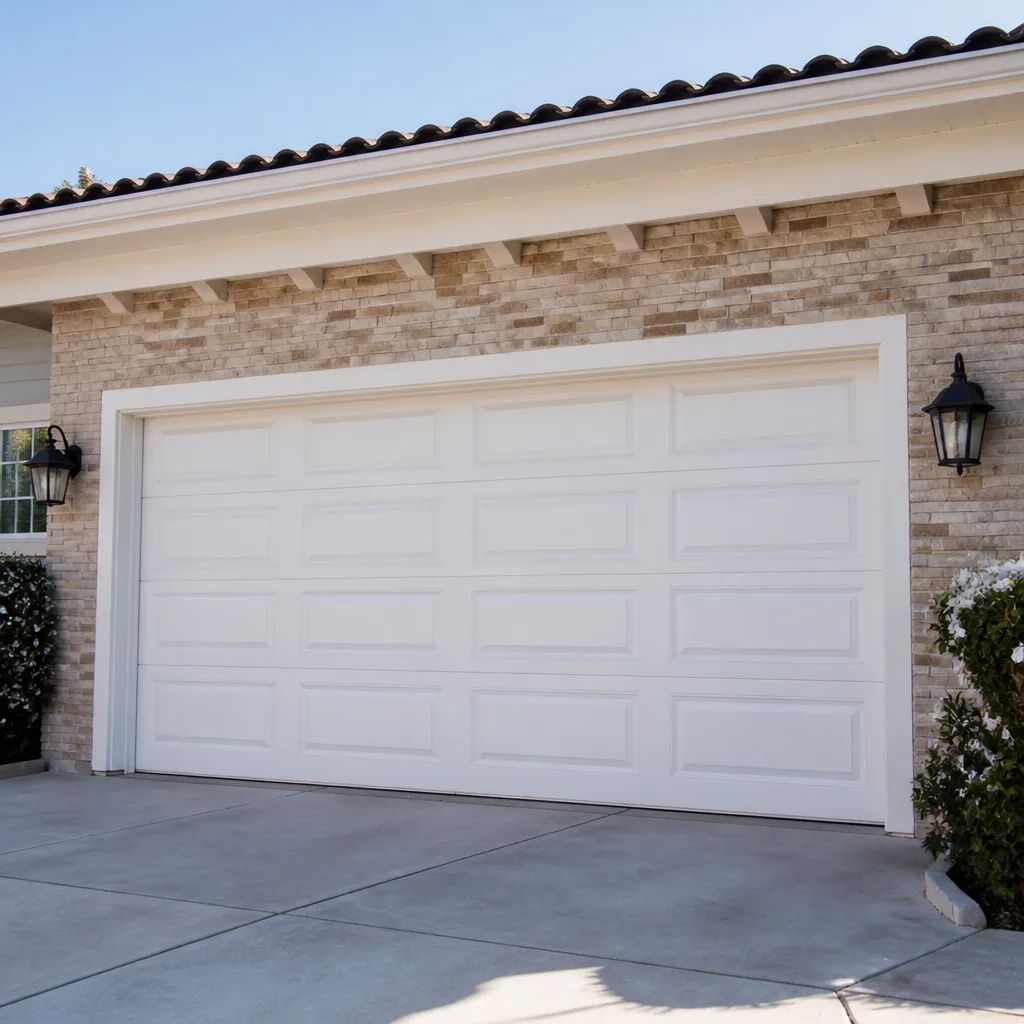 Raised-panel steel
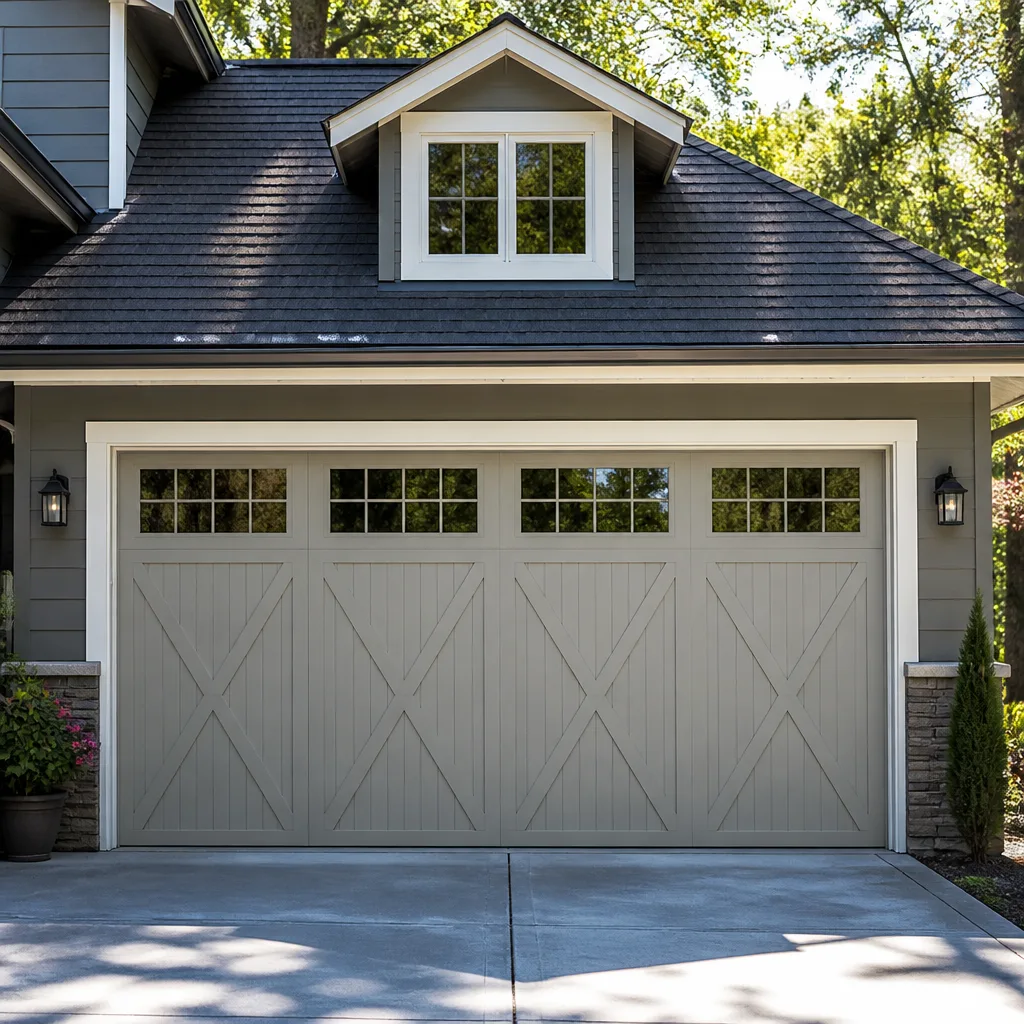 Carriage house
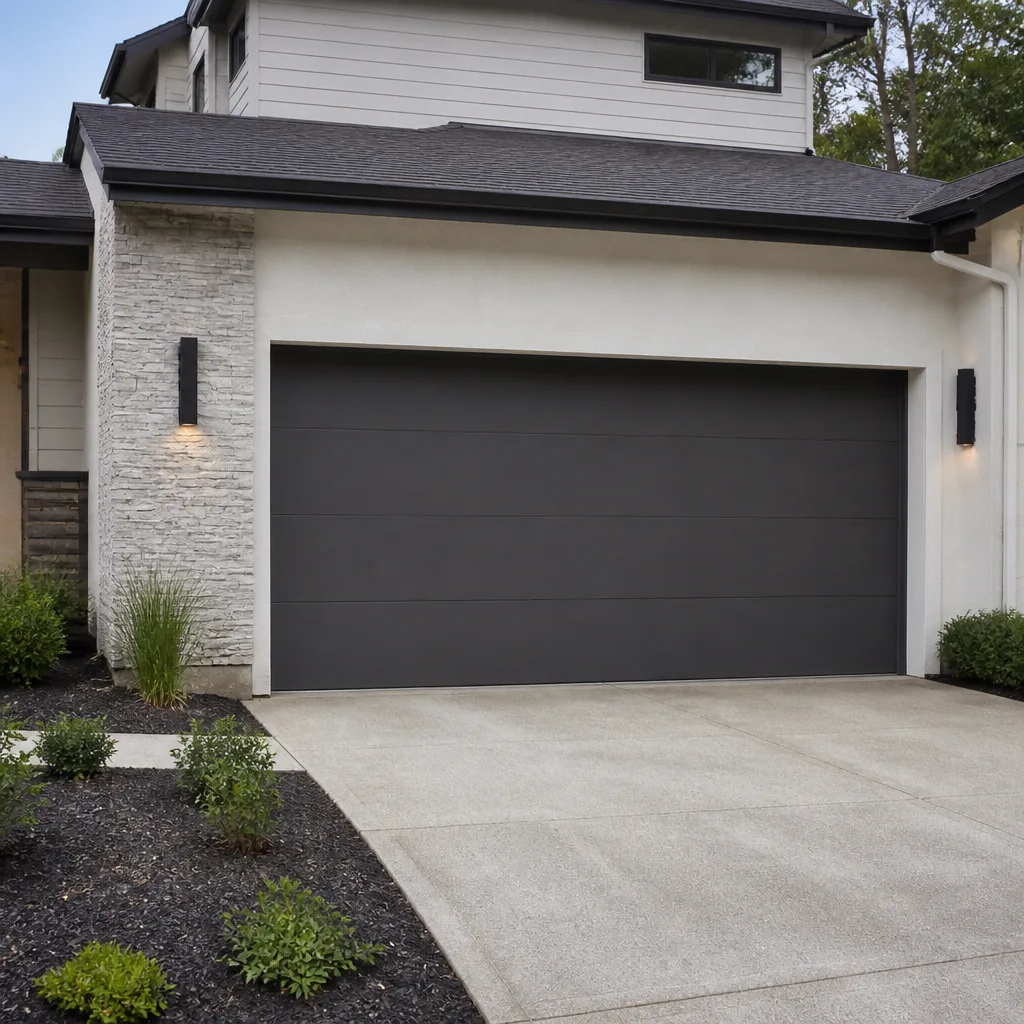 Modern flush
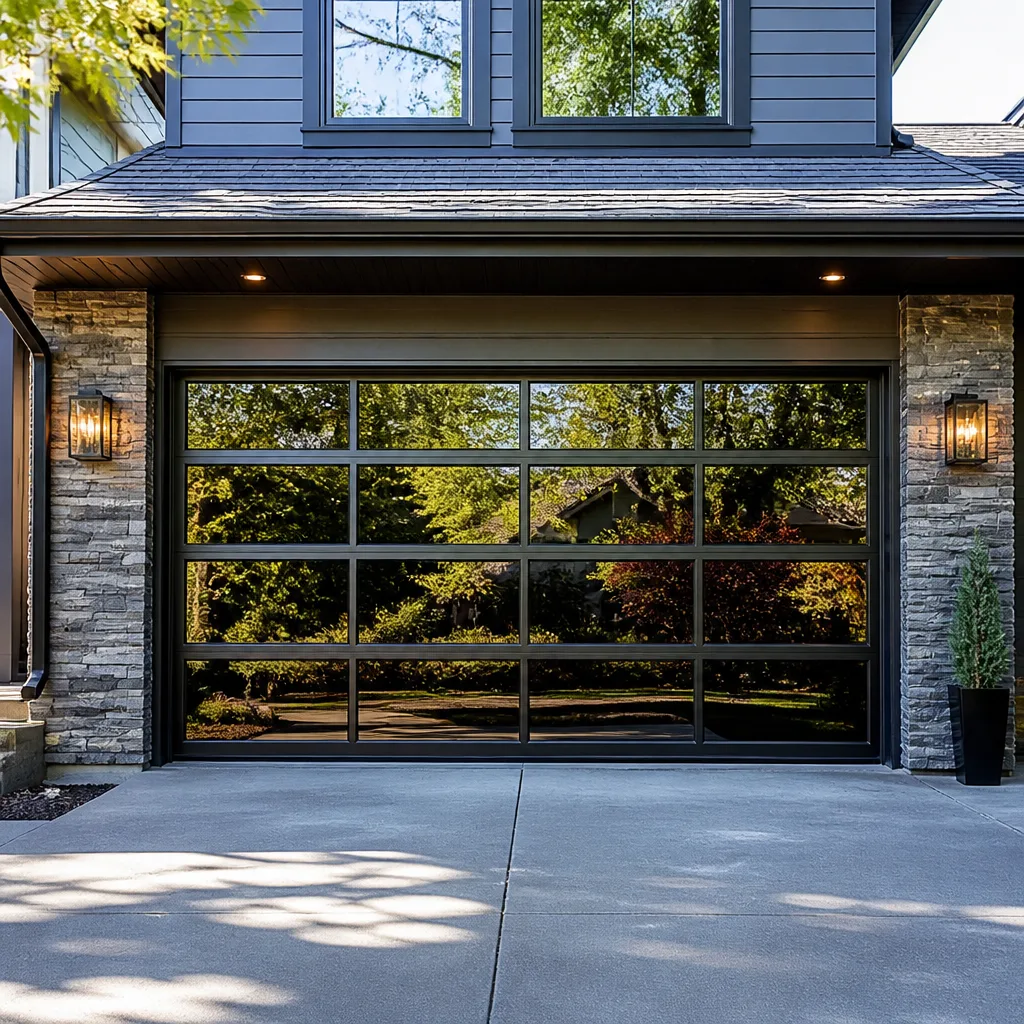 Full-view glass
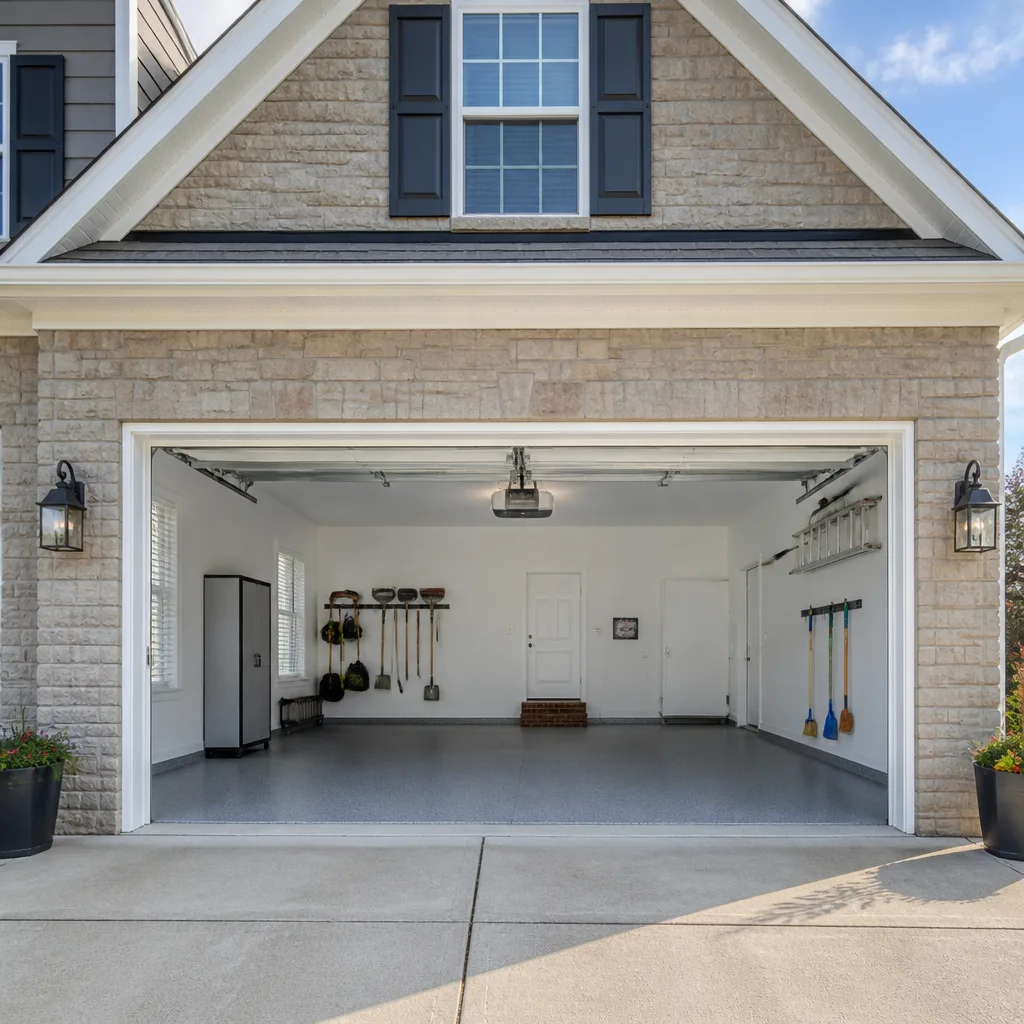 LiftMaster openers
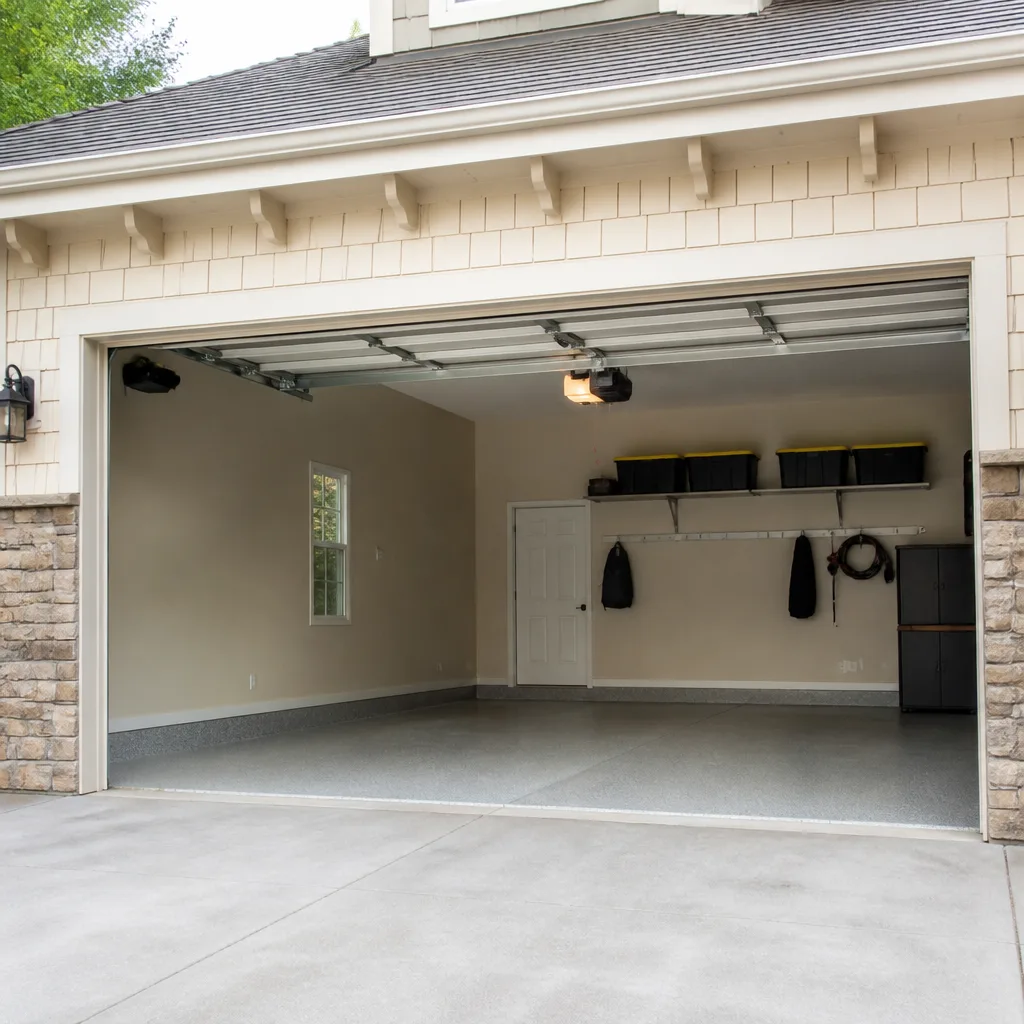 Chamberlain openers
Full 25-point door and opener safety check with every visit - springs, cables, rollers, tracks, and your LiftMaster or Chamberlain opener included
You get a price before we start. It does not change when the pro arrives.
Get your free estimateSeasonal Garage Door Care for Pasadena: Year-Round Homeowner’s Guide
Most garage door maintenance advice was written for a place with four gentle seasons. Pasadena doesn’t really have those. What we get instead is a long, punishing summer, a hurricane season that runs for months, and two mild windows in between where the weather actually cooperates. That mismatch matters. The calendar that keeps a door healthy in a mild climate is not the calendar that keeps it healthy here, and following generic spring-and-fall advice leaves the real risk periods uncovered. Opener motors that manufacturers tested in climate-controlled rooms get pushed to their thermal limits on a 95°F afternoon with heavy humidity, and that’s exactly when doors stop responding. This guide walks through a maintenance year built around how Pasadena actually behaves, season by season, so you can catch problems before they strand your car in the driveway.
Quick Answer
In Pasadena, TX, the garage door care year runs on four phases: an April – May pre-hurricane check of wind-load hardware, bottom seals and the manual release; a summer heat protocol covering opener ventilation, UV damage to weatherstripping and steel panel expansion; a post-storm inspection before you operate the door again after a tropical event; and a December – February window for spring and cable work when metal tension is most stable. Balance checks and lubrication fit in during the mild spring and fall transitions.
Styles & brands we work with
- Raised-panel steel
- Carriage house
- Modern flush
- Full-view glass
- LiftMaster openers
- Chamberlain openers
Table of Contents
- Why Garage Door Care in Pasadena Doesn’t Follow a Standard Calendar
- The April – May Pre-Hurricane Season Checklist
- Summer Heat Protocol: June Through September
- Post-Storm Inspection: What to Check Before Running the Door
- The December – February Window for Springs and Cables
- How Temperature Swings Shift Your Door’s Balance Over a Year
- The Mild Transition Windows: Lubrication and Hardware
- Brand-Specific Notes for Pasadena Homes
Why Garage Door Care in Pasadena Doesn’t Follow a Standard Calendar
Pasadena sits in a pocket of Southeast Texas where the heat and humidity climb together and stay there for months. A garage door system is mostly metal, rubber and electronics, and all three react to that combination differently than they would in a drier or cooler place. The result is that failures cluster. We can usually tell what month it is by the type of call we get.
The counterintuitive part is that the coldest season isn’t the hardest one for the door. Winter here is mild enough that springs and cables behave predictably, which is why it’s the safest stretch for the high-tension work that makes people nervous. Summer is the real stress test. Opener motors that were tested in a controlled lab at moderate temperature run hotter in a garage that’s absorbed heat all afternoon, and the thermal cutoff that’s supposed to protect the motor kicks in and refuses to lift the door until things cool down. Homeowners read that as a dead opener. Sometimes it is. Often it’s the motor protecting itself.
Then there’s hurricane season. High wind doesn’t just threaten the door panel itself. It finds the weak points: the bottom seal, the hinges, the track anchors, the brackets holding the whole assembly to the wall. A door rated for wind load is only as strong as the fasteners that were properly tightened and the seal that’s still making contact. Inspecting those before the season starts is the difference between a door that holds and one that doesn’t.
So the Pasadena year has four real phases for a garage door. Two mild transition windows where you can inspect, lubricate and adjust comfortably. One long heat stretch where you manage temperature and watch for wear. And one wind season where preparation and post-storm caution are what matter. Everything below builds on that framework. For the deeper repair side of any of these topics, our garage door repair page covers diagnosis and what a typical job involves.
The April – May Pre-Hurricane Season Checklist
April and May are the calm months in Pasadena, and that’s exactly what makes them the right time to get ahead of hurricane season. The metal is at a stable temperature, the weather lets you work outside comfortably, and any parts you need to order can arrive before the first storm is on the radar. This is a walkaround inspection, not a repair session. You’re looking for loose things, worn things and things that no longer make contact.
Here’s the sequence we suggest, going around the door systematically so nothing gets skipped:
- Inspect the track and wall anchors. Look at every bracket that holds the vertical and horizontal track to the framing. Grab the track and try to move it. It should be solid. Any bracket that wiggles has lost its grip, and that’s a wind-loaded joint that will fail first.
- Check the hinges and rollers. Open the door to about waist height and look at each hinge. Worn hinges let panels flex in wind. Rollers with flat spots or cracks on the wheel edge need replacing before they jump the track under load.
- Test the bottom seal against the floor. Close the door and look from the inside. You want an even line of contact across the whole width. Gaps at the corners or in the middle let wind-driven rain and debris in, and a seal that’s curled or hardened isn’t doing its job. This matters for the security of the door as much as for water intrusion.
- Test the manual release. Pull the red release handle and try to lift the door by hand. It should move smoothly and stay where you put it. Lower it carefully, then reconnect. If the door drops hard or is very difficult to lift, the balance is off and the springs may be losing tension.
- Verify the auto-reverse safety system. Place a solid object flat on the floor in the door’s path and close the door. It should reverse. Do the same with the photo-eye test if your opener uses one. The safety reverse is a code requirement on modern openers, and it needs to work in the wind season more than any other time.
- Look at the opener’s wiring and mounting. The opener unit mounted to the ceiling should be solid, not sagging. The safety eye wiring running along the wall should be intact and not pinched. Loose wiring in a storm is a call we get occasionally.
If anything on that list needs attention, get it fixed before June rather than during a storm warning. For the parts involved, the garage door opener repair and spring service pages explain what the technician actually does. Half of hurricane readiness is just doing the small hardware work when the weather is boring.
Summer Heat Protocol: June Through September
This is the stretch where things break. June through September in Pasadena means garages that hold heat like an oven, and the components under the most stress are the opener motor, the weatherstripping and the steel panels themselves. Most of the summer work we do isn’t a sudden failure out of nowhere. It’s a part that was already tired, pushed over the line by heat.
Opener Motors and Thermal Cutoff
An opener motor generates heat as it works, and the surrounding air is supposed to carry that heat away. In a garage at 95°F with high humidity, the air can’t carry heat off as effectively, so the motor warms more quickly and the internal thermal protection shuts it down to prevent damage. That’s why a door that lifted fine in the morning refuses to move at 3pm. It’s not a dead opener necessarily; it’s the motor protecting itself. If your opener shuts down in the afternoon and works again early the next morning, that’s the signature. If a motor is physically hot to the touch for hours, or the unit shuts down and never comes back on, then you’re looking at an actual failure and it’s worth a garage door opener repair call.
Ventilation helps. A well-ventilated garage runs cooler, and a ceiling fan pushing air around the opener extends the time before the motor reaches its cutoff. Reducing the duty cycle helps too: if the door makes multiple trips in the peak heat of the afternoon, the motor doesn’t have time to cool between cycles.
UV Degradation of Weatherstripping
Rubber and vinyl weatherstripping on a south- or west-facing Pasadena door takes direct sun for months. UV exposure makes the material hard, brittle and chalky, and once it hardens it stops sealing. You’ll notice it first as a slight curl at the edges. Look for cracks across the surface and any section where the seal no longer makes contact with the floor or frame. Worn weatherstripping is cheap and easy to replace, and it makes a real difference to the temperature inside the garage and to how well the door holds rain.
Steel Panel Expansion
Steel expands when it’s hot, and the panels of a sectional door each have their own expansion. The gaps between panels absorb some of that, but the hinges and rollers are the joints where movement actually shows up. In the heat, a door that was quiet all winter can start to squeak or squeal, and that’s often the rollers and hinges asking for lubrication. It’s also why a door that tracked fine in April can seem to drift slightly off a panel edge by August. If you see gaps between panels that weren’t there before, check the hinges before assuming the door is failing.
Most of the summer trouble we see would be caught by a lubrication pass in June and again in August. Light-duty silicone lubricant on the hinges and rollers, and a quick bottom seal inspection, prevent a lot of mid-July frustration.
Post-Storm Inspection: What to Check Before Running the Door
After a tropical event moves through Pasadena, the urge is to run the opener and see if the door still works. Wait. A door that took wind load, or that has been hit by flying debris, can have a bent panel or a dislodged track that turns a small fix into a large one when the operator forces the door through it. Do a visual inspection first, and only operate the door when you’re satisfied it’s safe to move.
Here’s the order we use:
- Survey from outside before touching anything. Look at the door head-on. Are the panels still aligned? Any dents, bowed sections or panels that clearly jumped their track? Check for debris trapped under the door or between panels.
- Check the tracks for bending. Run your eye down both vertical and horizontal track. Any kink or bend means a roller has to fight its way through, and it will eventually pop out.
- Inspect hinges and brackets. Look for anything hanging loose or visibly bent. Hinges are designed to keep the door aligned as it moves; a bent one throws that off.
- Look at the door-to-wall attachment points. The wall anchors and brackets that hold the tracks and header need to be solid. If the wall looks cracked or the bracket has pulled, stop here and call it in.
- Check the bottom seal again. After wind, the seal may be torn, folded or displaced. Get it back into contact before operating, or replace it.
- Test the manual release and lift the door by hand slowly. If it moves smoothly and stays balanced, you can re-engage the opener and test its operation at low speed. If it binds, stop.
- Test the auto-reverse before relying on the opener. Confirm the safety systems work after any storm, especially if the opener was bumped or the eyes got knocked out of alignment.
If any of those checks turns up a bent track, a panel that won’t line up or a bracket that pulled, it’s a repair rather than an adjustment. Our garage door repair team handles storm damage as one of the routine call types during the season, and many of those jobs are prevent-and-repair situations where an inspection right after the storm keeps a small problem small.
The December – February Window for Springs and Cables
Here’s the part that surprises people: the best time of year in Pasadena for the highest-stakes garage door work is winter. Not because the door is more likely to fail then, but because the mild December-to-February temperatures keep the metal at a stable tension. Springs and cables work by storing and releasing energy, and that energy behaves more predictably when the metal isn’t expanding and contracting across a wide daily range. Technicians can adjust and verify the door’s balance with a closer margin when the temperature sits in a comfortable band. That’s the reason we schedule the safety-critical spring and cable jobs into the winter window when the schedule allows.
You can think of the Pasadena winter as a “stable metal” season. If your door has been showing signs of spring fatigue through the summer, the cleanest way to deal with it is to book it into December or January. For the detail on how spring replacement works, the garage door spring repair page covers the process and the price picture. The short version: spring repair is not a DIY job. A winding torsion spring holds lethal stored energy, and even experienced homeowners have been badly injured trying to release one without the right tools and technique.
Winter is also a good time to do a full mechanical inspection if the door sat through a tough summer. Any cable that frayed, a roller that cracked, a hinge that lost a screw: those are minor fixes in January that could turn into a mid-summer emergency if they’re left.
One more reason to prefer winter for this work: schedule demand. Spring and fall are the busiest times for garage door work because everyone gets the generic reminder. December through February isn’t, which means a booked job is easier to place and the inspection is more thorough.
How Temperature Swings Shift Your Door’s Balance Over a Year
Garage doors rely on a balance between the spring system and the door’s weight. That balance isn’t static, and it’s more sensitive to temperature in Pasadena than in places with steady daily conditions. A door that was perfectly balanced in January may feel heavy by August, and not because anything has broken. The metal components and especially the springs react to heat, and the door’s mechanical behavior shifts as a result.
What a balance shift looks like to a homeowner:
- The door feels heavier when you lift it by hand with the opener disconnected.
- It doesn’t stay put when lifted partway. A balanced door should hold roughly where you leave it. One that drops toward the floor has lost tension.
- The opener strains audibly at some positions and runs smoothly at others.
- The door creeps down on its own from the open position, or sags from fully open.
How to check balance without doing anything to the springs:
- Close the door fully and pull the manual release handle so the opener is disconnected.
- Lift the door by hand to about waist height. It should feel manageable, not a dead weight, and it should stay where you leave it.
- Lift it to the halfway position and let go. A well-balanced door shouldn’t race down. It should stay close to where you released it.
- Lower it carefully to the floor and reconnect the opener.
If it fails any of those checks, the balance is off. Do not adjust springs yourself. Spring tension is a stored-energy system and getting it wrong can send components flying or release lethal force suddenly. What you can do is log the date the balance started to shift and have a technician check it. If the shift is small and follows the temperature curve, some adjustment is normal for the season. If the door drops fast or won’t stay up at all, it’s a mechanical problem and worth a same-day call.
The Mild Transition Windows: Lubrication and Hardware
The mild months, roughly March and October-November, are the low-risk stretch where you can do the routine maintenance that keeps the door working between the stress seasons. The metal is comfortable to work on, the weather is steady, and these are the best times for the parts of the routine that don’t involve tension work.
The spring maintenance pass:
- Lubricate rollers and hinges. Use a silicone or lithium-based lubricant. Avoid heavy grease, which attracts grit and turns into paste in a hot garage.
- Wipe down the tracks. Use a damp cloth to remove dust and debris. Don’t apply lubricant to the tracks themselves; tracks are meant to be clean, not slick.
- Check every hinge screw. The screws on the hinge plates loosen gradually as the door cycles. Tighten them, and if a screw hole is stripped, replace the screw with a slightly thicker one or add a small shim.
- Inspect the cables for fraying. Cables fray at their ends and around the drum. A broken cable is another stored-energy hazard, so any sign of fraying is a stop-and-call situation.
- Test the safety reverse. Same test every time: solid object on the floor, close the door, it should reverse.
- Check the photo-eye alignment. Shine both eyes at each other with a cloth or hand in between and confirm the door acts as it should. Dust and cobwebs can knock them out of alignment over a season.
Those two transition windows are also the best time to plan a door replacement if replacement has been on your mind. If your door has been through several hurricane seasons and has repeated hardware failures, or if you’re upgrading to a wind-rated system, the process is measured and scheduled rather than urgent. Our Pasadena Garage Door Repair Pros team handles new installation end to end, including product selection.
Brand-Specific Notes for Pasadena Homes
One of the things that makes seasonal care work is knowing the system on the door. A maintenance calendar is only useful if the technician knows what they’re looking at when they get there. Pasadena homes span a wide range of brands and product lines, and the specific components do behave a little differently through the year. When a door has an Amarr panel system, for example, the hinge geometry affects how much flex the door shows in heat. A Wayne Dalton setup with a particular opener pairing can develop its own pattern of summer strain. A Craftsman opener on an older mechanical unit needs a different service routine than a newer WiFi-connected system. And a Raynor installation that was sized for a heavy insulated door behaves differently under summer expansion than a lighter door on the same opener.
We work on garage doors from LiftMaster, Chamberlain, Genie, Clopay, Amarr, Wayne Dalton, Craftsman and Raynor. That matters during a seasonal check because if a technician is only familiar with one or two brands, they may stall or recommend a replacement they don’t need to. Our technicians have up to 10 years of experience across those systems, and we work on the system already on your home rather than steering you toward a new one.
If you’re not sure what brand you have, the door’s opener will usually have a label on the ceiling unit and the door itself may have a plate near the bottom or a label on the end stile. Take a photo of the labels, and a technician can confirm before the visit.
Common Mistakes to Avoid
- Following the generic spring-and-fall advice. Most national maintenance messaging is built for climates with four gentle seasons. Following it in Pasadena leaves the heat months and the wind months uncovered, which are exactly the two phases that matter here.
- Assuming a summer opener shutdown means the opener is dead. Thermal cutoff is a protection feature. If the opener comes back the next morning and works fine, it’s likely a heat issue, not a failure. Calling for a replacement when the unit is protecting itself is a wasted expense.
- Skipping the pre-hurricane hardware check. Loose hinges and track anchors are easy to miss when the door still operates normally. They’re also the first things that give under wind load. A ten-minute walkaround in April catches what July can’t.
- Running the opener after a storm before inspecting. A bent track or a popped roller gets worse fast when the operator forces the door through it. If any part of the door looks off after a tropical event, hand-test before power-testing.
- Adjusting spring tension yourself after a temperature swing. Spring balance shifts with the seasons, but the fix is not a homeowner adjustment. Torsion springs carry lethal stored energy. If the door feels heavy or won’t stay up, call it in rather than reaching for a winding bar.
- Ignoring UV damage to weatherstripping through the summer. The seal starts to harden and curl quietly, and by the time it’s clearly failed it’s let in months of rain and heat. Check it in June and again in September.
- Replacing a door instead of repairing a fixable problem. If the panels are intact and the opener is sound, seasonal repairs often solve what looks like a replacement case. Get a technician’s read before deciding the door is done.
See the difference
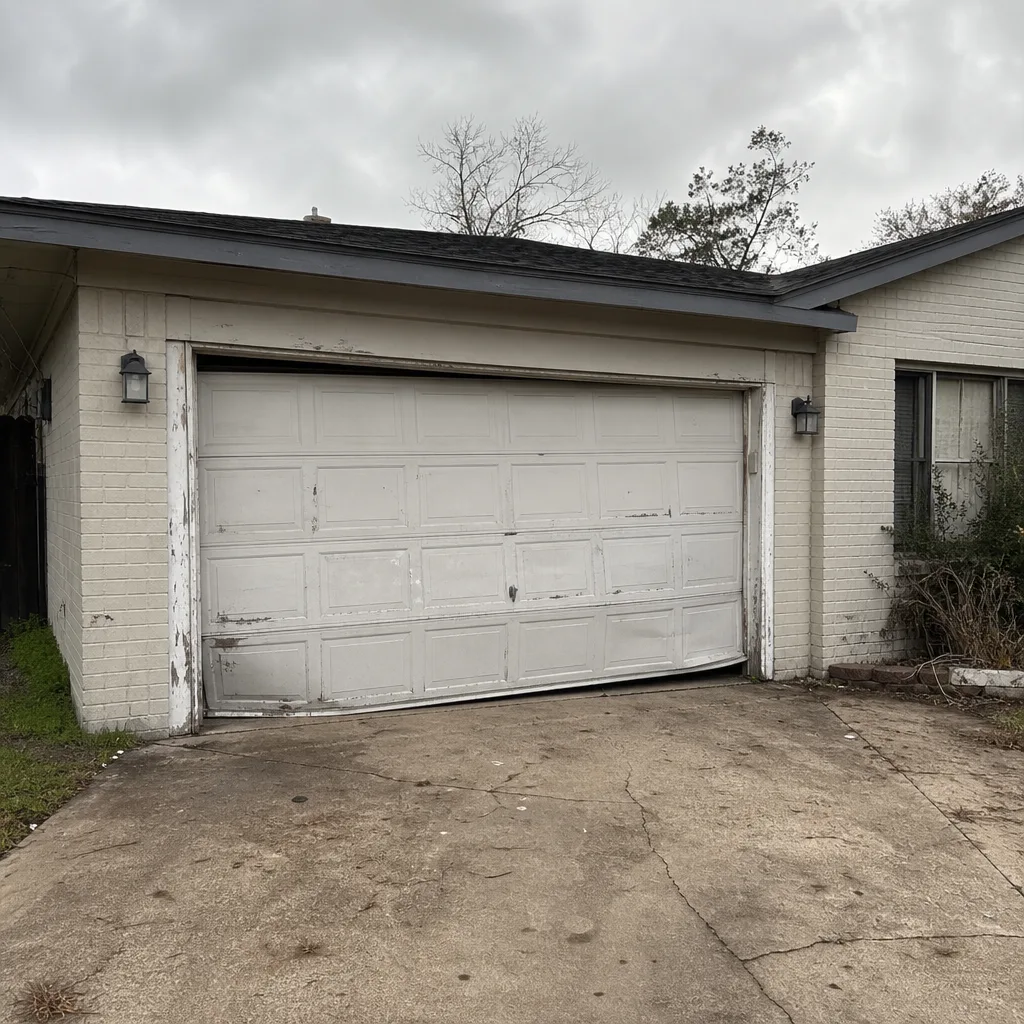 Before
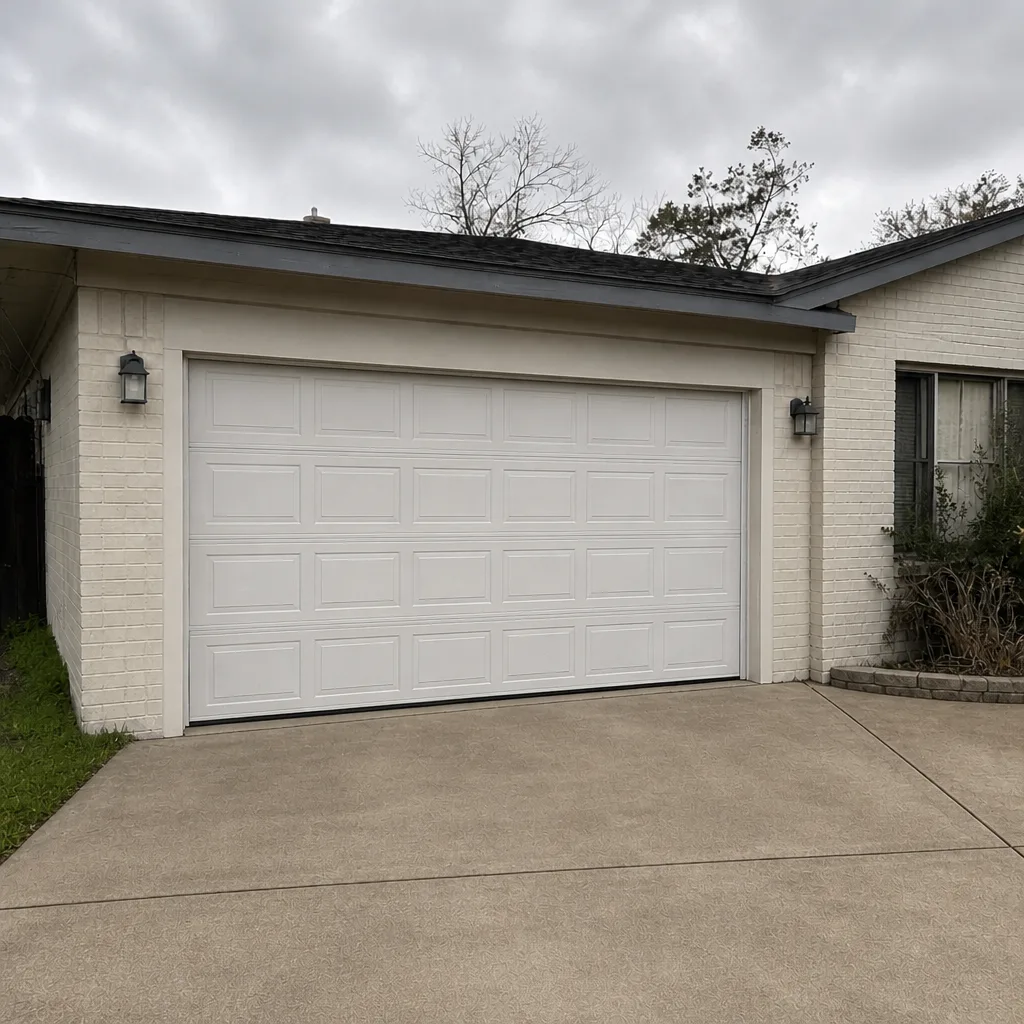 After
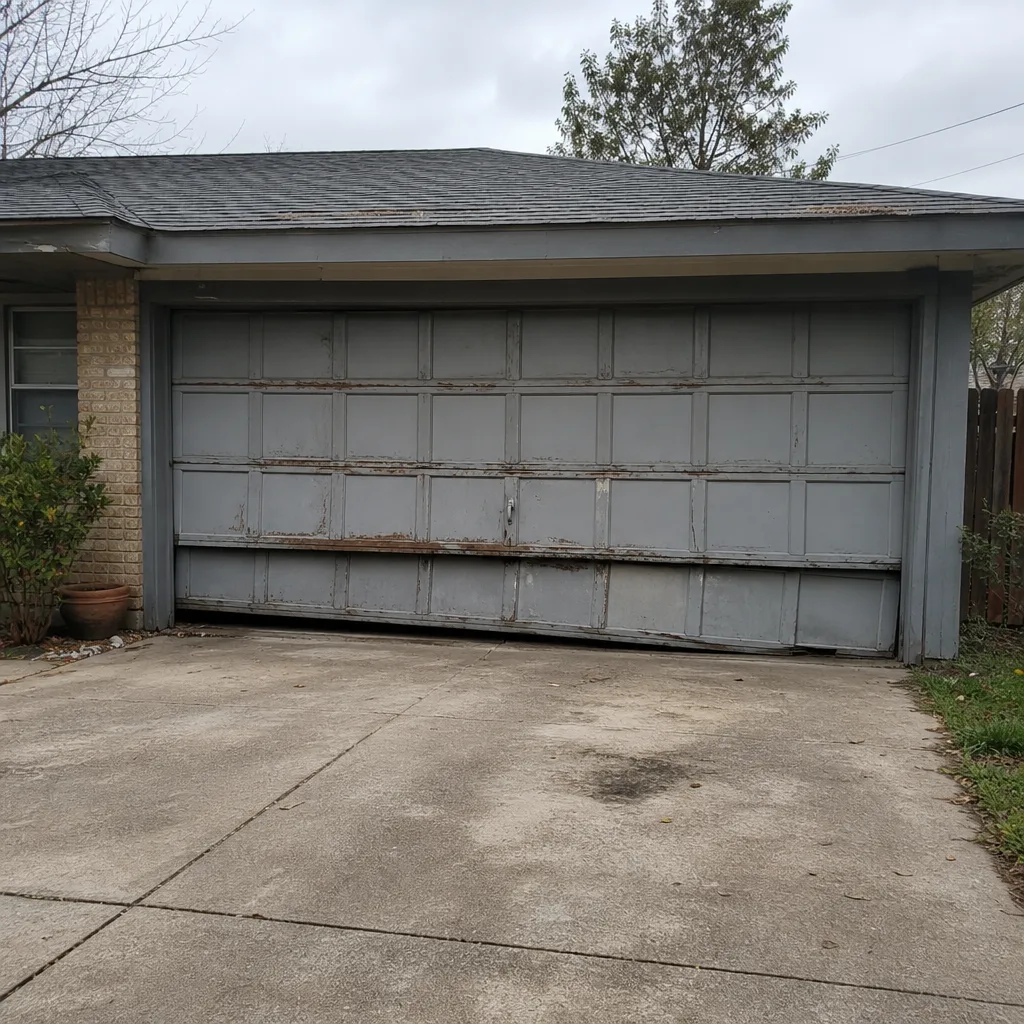 Before
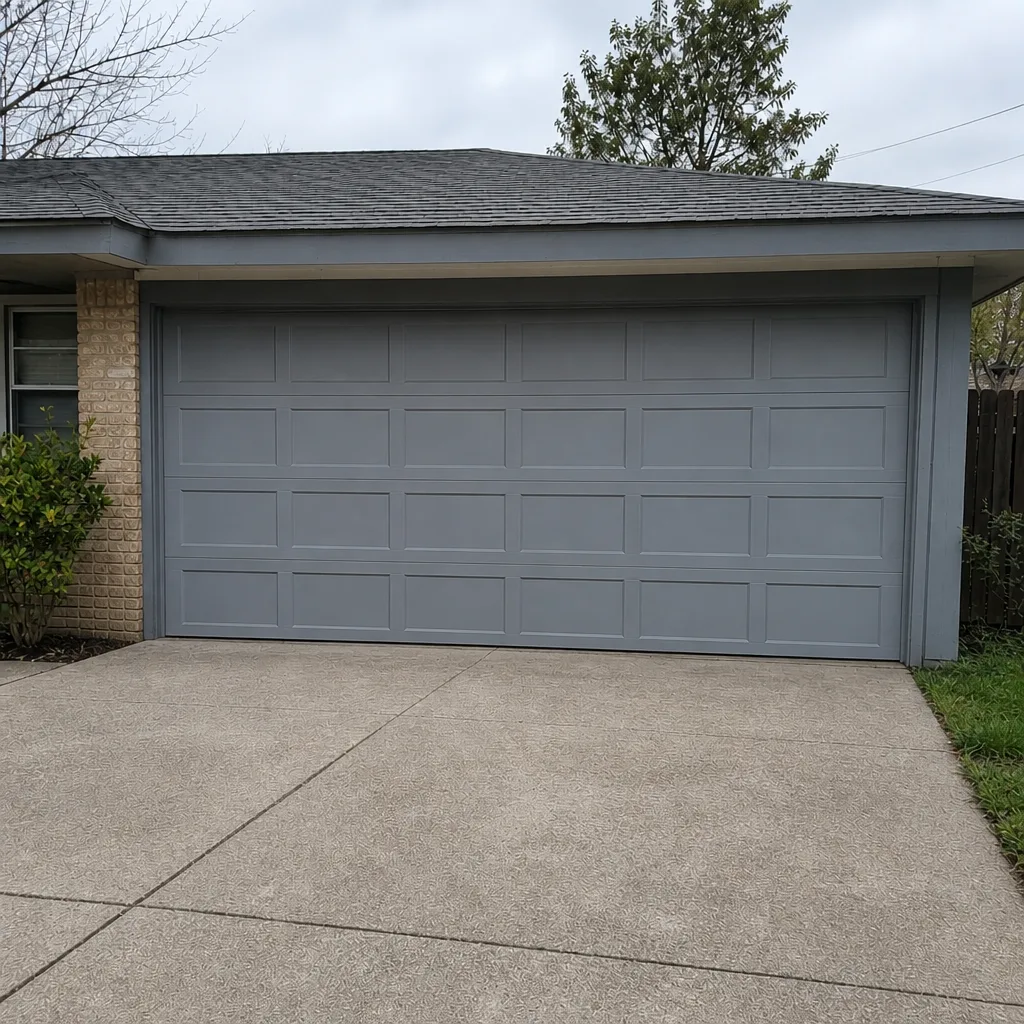 After
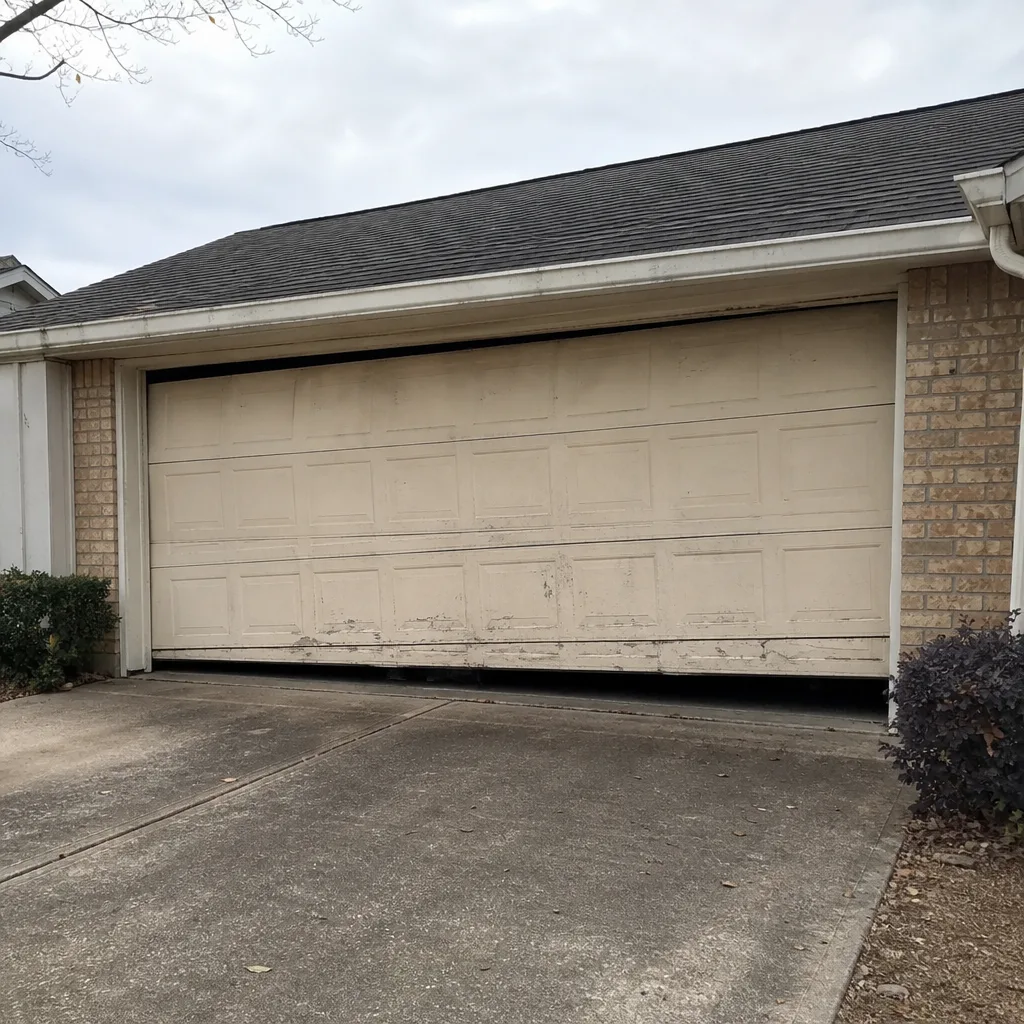 Before
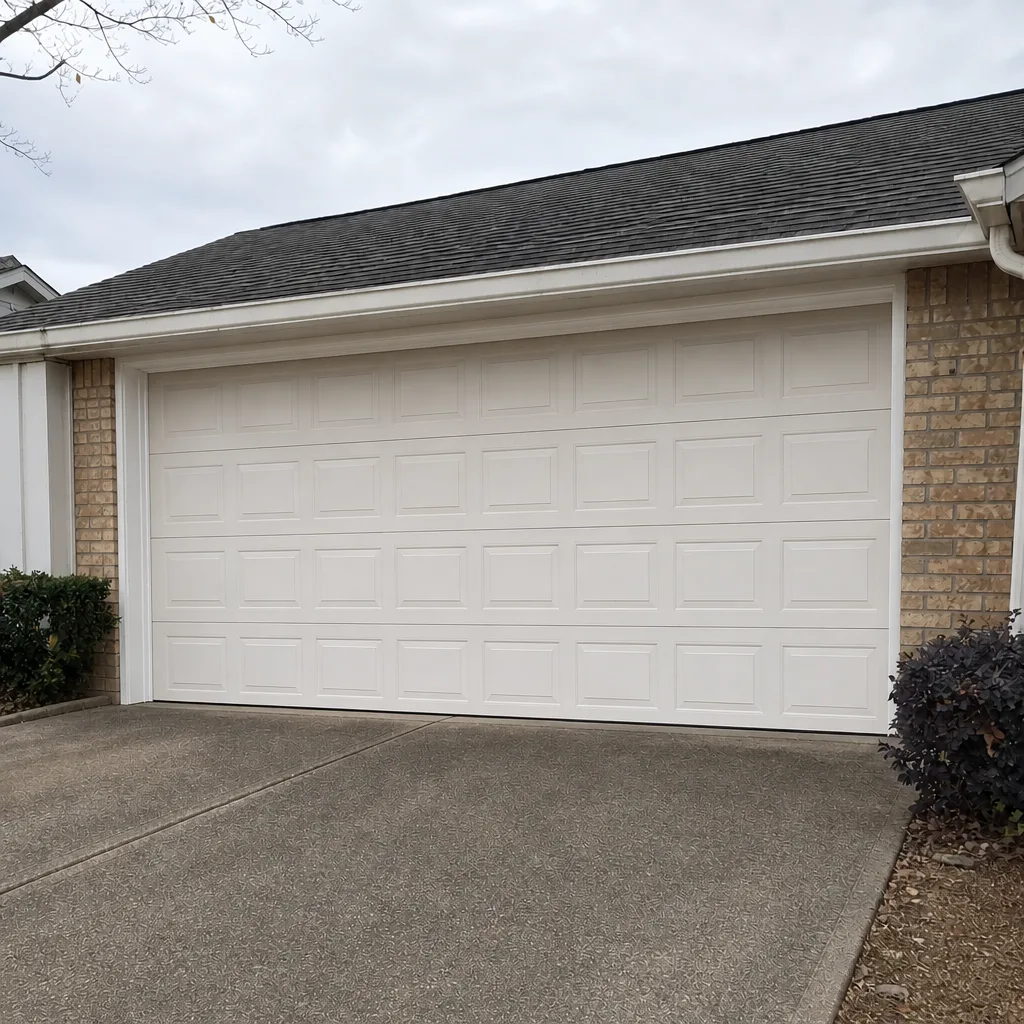 After
When to Call a Professional
Some seasonal work you can do yourself: lubricating hinges and rollers, wiping the tracks, testing the safety reverse, and inspecting the weatherstripping. The moment the issue involves stored tension or structural parts of the door, it’s a call. That includes springs that feel slack, a cable that looks frayed or has snapped, a door that drops hard or won’t stay open, a track that’s bent after wind, and any opener that shuts off and won’t come back on. It’s also worth a call if your door has gone through several hurricane seasons with repeated hardware failures, since at that point the seasonal checks are finding the same problems. Pasadena Garage Door Repair Pros offers free estimates in Pasadena – call (866) 964-5170. We handle repair, opener service and new installation as one call, and the price is quoted and agreed before any work starts. Our technicians work on the system already on your door, including LiftMaster, Chamberlain, Genie, Clopay, Amarr, Wayne Dalton, Craftsman and Raynor.
Frequently Asked Questions
The best time is the two mild transition windows: March in the spring, and October into November in the fall. Those are when the metal is at comfortable temperature and you can do the lubrication, hardware tightening and safety tests without fighting heat or storm weather. The April – May window ahead of hurricane season is the other important one, because it’s when the wind-load hardware inspection and manual release test should happen.
It’s usually thermal cutoff, not a dead opener. In Pasadena’s summer, a garage holds heat, so the motor warms faster than it would in a climate-controlled test and its internal protection kicks in to keep it from overheating. The classic sign is that the door fails in the afternoon and works again early the next morning. If the unit stays off and doesn’t recover after cooling, that’s a real opener issue and worth a call to (866) 964-5170.
No. Springs are the single most dangerous part of a garage door. A wound torsion spring carries enough stored energy to cause serious or fatal injury when released incorrectly, and even experienced homeowners get hurt. When the door feels heavy or won’t stay up, have a trained technician check and adjust it. Balance shifts are normal through the year; the fix is not a DIY job. If you’re within the winter window and the door is off-balance, that’s the best time to schedule.
Do a visual walkaround before running the opener. Look at the panels for dents or alignment problems, the tracks for bends, the hinges for anything bent or loose, the wall anchors for pulling, and the bottom seal for damage. Then test the manual release and lift the door by hand to confirm it’s balanced and moving smoothly. Only re-engage the opener once everything checks out. If the track is bent or a panel won’t line up, that’s a repair.
Look for hardening, curling, cracking or a chalky surface on the rubber or vinyl seal. The clearest sign is that the seal no longer makes even contact with the floor when the door is closed. UV exposure over a hot Southeast Texas summer will do this to almost any seal eventually. It’s a low-cost replacement and one of the easier maintenance wins on the list.
The local pro we connect you with is licensed and insured as their state requires, and technicians work on all the major brands your door and opener may already use. If you have an unusual system, mention the brand when you call. We keep the process simple: the price is quoted and agreed before any work starts. Call (866) 964-5170 for a free estimate.
The Bottom Line
Pasadena’s climate doesn’t line up neatly with generic garage door advice, and the maintenance calendar that actually works here runs on the local rhythm. Do the wind-load inspection and manual release test in April and May so the hardware is solid before hurricane season. Manage summer heat by keeping the opener ventilated and the motor from cycling too hard in the afternoon. Check the door before operating it after any storm. Book the high-tension spring and cable work into the mild December to February window when the metal is most predictable. And use March and the fall as the low-risk months for lubrication, hardware tightening, and a proper safety system test. None of it is complicated. It’s just built for the right place, and that’s the difference between a door that gets discovered in the middle of a heat wave and one that just quietly works.
If any part of the year’s checklist turns up something you’d rather have a technician see, Pasadena Garage Door Repair Pros is a phone call away. Call (866) 964-5170 for a free estimate, upfront pricing, and a written quote before any work starts. One call covers the diagnosis, the repair and the follow-through.
Written by the team at Pasadena Garage Door Repair Pros.