Last updated November 21, 2026
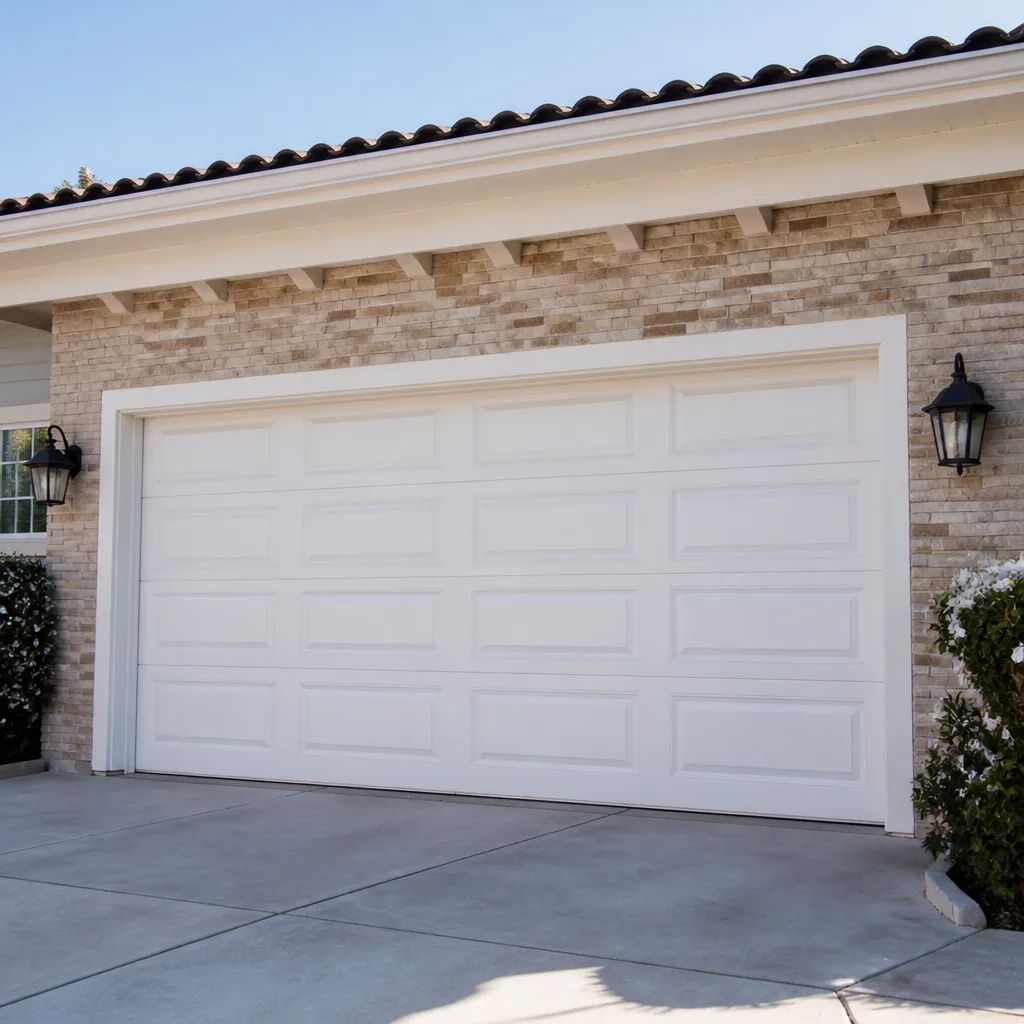 Raised-panel steel
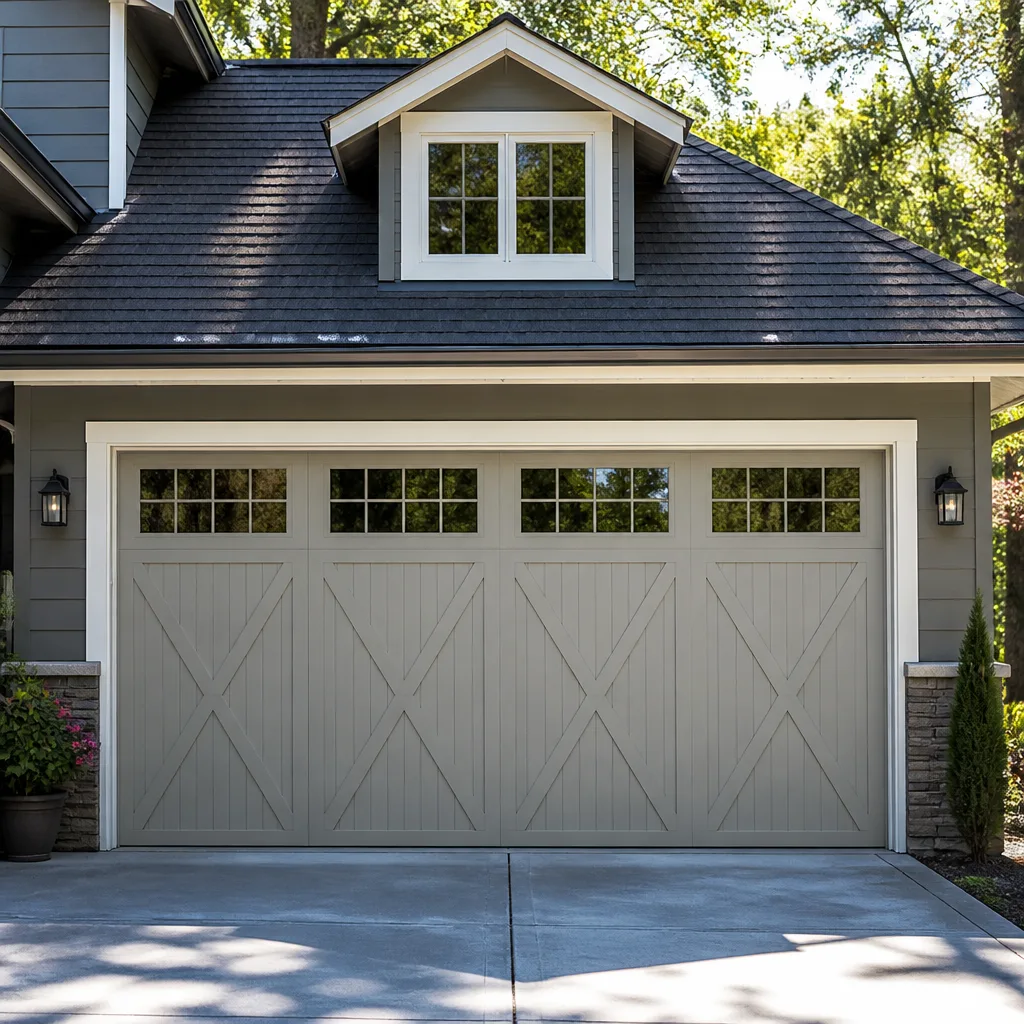 Carriage house
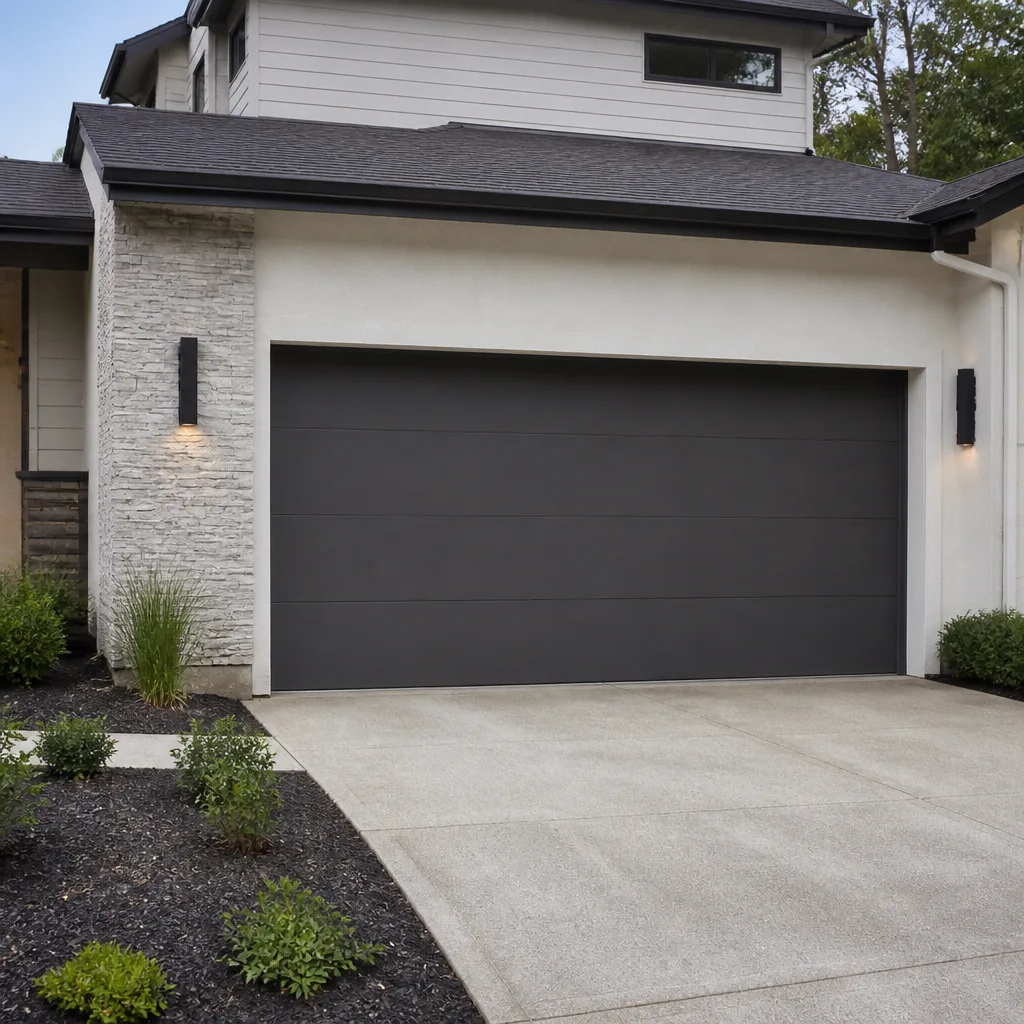 Modern flush
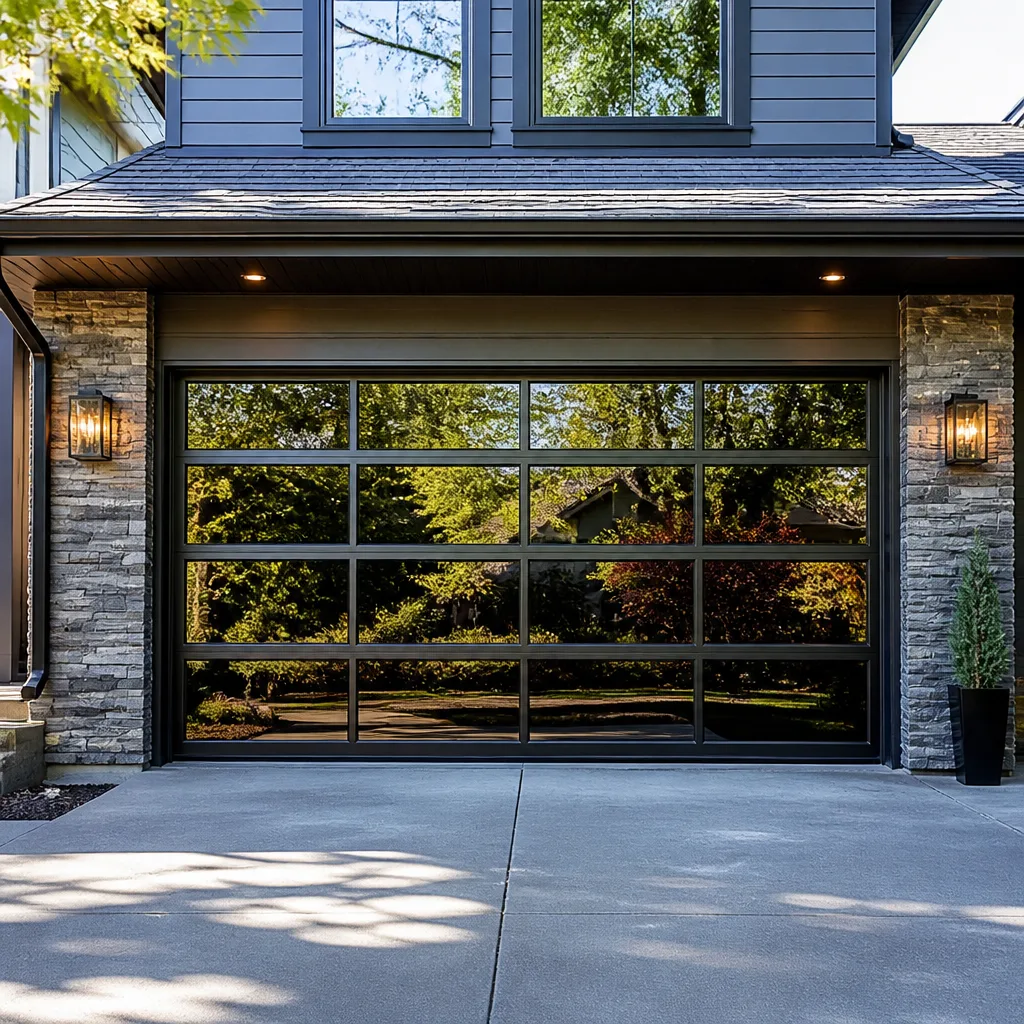 Full-view glass
 LiftMaster openers
 Chamberlain openers
Full 25-point door and opener safety check with every visit - springs, cables, rollers, tracks, and your LiftMaster or Chamberlain opener included
You get a price before we start. It does not change when the pro arrives.
Get your free estimateGarage Door Repair Maintenance Checklist for Pasadena Homeowners
Most garage door maintenance checklists are calendar-based busywork. They tell you to inspect this and lubricate that every few months, and they’re written for a climate that isn’t yours. This one is different. It’s built around the parts that actually fail first in Pasadena’s heat and humidity, in the order they tend to fail. Torsion springs here can lose measurable tension in under 18 months if they weren’t galvanized, and that single fact changes how you should think about the whole door. By the end of this guide, you’ll have a 10-point checklist with real pass/fail criteria, a failure hierarchy for southeast Texas conditions, and a clear sense of when a Pasadena homeowner should stop checking boxes and call a technician.
Quick Answer
A garage door maintenance checklist for Pasadena homeowners should focus on five failure points: torsion spring tension and rust, roller type and lubrication (steel versus nylon), weatherstripping hardening from summer heat cycles, hinge and track hardware looseness, and opener force and balance. Check these every six months, lubricate steel parts annually, and never adjust springs yourself. The checklist below turns each of those into a pass/fail test you can actually run.
Styles & brands we work with
- Raised-panel steel
- Carriage house
- Modern flush
- Full-view glass
- LiftMaster openers
- Chamberlain openers
Table of Contents
- The Failure Hierarchy: What Breaks First in Pasadena
- Torsion Springs: Tension and Rust Scoring
- Rollers: Steel vs. Nylon and the Right Lubrication Schedule
- Weatherstripping in Pasadena Heat Cycles
- Hardware, Hinges and Tracks
- Opener Force, Balance and Safety Reverse
- The Printable 10-Point Checklist
- Common Mistakes to Avoid
The Failure Hierarchy: What Breaks First in Pasadena
Garage door parts don’t fail at random. They fail in a rough order, and that order shifts with the climate. In Pasadena, the combination of long humid summers and repeated heat cycles pushes moisture-driven failures to the front of the line. A checklist written for Phoenix assumes dry air and prioritizes UV damage. One written for Minneapolis assumes deep cold. Neither matches what we see in southeast Texas, where humidity sits on metal parts for months and vinyl seals bake and cool over and over.
Here’s the order we work through when we assess a door in Pasadena:
- Torsion springs. They carry the door’s weight and they’re the first thing to lose tension or develop rust scoring in humid air. This is the number one failure point in Pasadena homes.
- Rollers. Steel rollers pit and seize in humidity. Nylon rollers wear differently but still fail. Either way, a stiff roller drags on the opener and the springs.
- Weatherstripping. Summer heat cycles harden vinyl until it cracks. It’s not a safety failure, but it lets heat, moisture and pests in, and it lets conditioned air out.
- Hinges and fasteners. Vibration loosens them, and moisture accelerates corrosion at the joints.
- Opener components. The opener is usually the last thing to fail, but it’s the first thing homeowners blame. A strained opener is often a symptom of a stiff door, not a broken motor.
Knowing this order matters. It means you spend your inspection time on the springs and rollers first, because those failures cascade. A tired spring overloads the opener. A seized roller strains the spring. Fix the front of the chain and the back of the chain lasts longer. That’s the logic behind the whole checklist, and it’s why we don’t start with the opener when we’re diagnosing a door in Pasadena.
Torsion Springs: Tension and Rust Scoring
Torsion springs are the highest-stakes part on your door, and they’re also the part most affected by Pasadena’s humidity. A spring that wasn’t galvanized can lose measurable tension in under 18 months here, which means the door gets heavier, the opener works harder, and the spring edges toward failure sooner than a generic checklist would ever suggest. This is where a Pasadena-specific checklist earns its keep.
What to check, and how to judge it:
- Tension (pass/fail): Disconnect the opener and lift the door halfway by hand. A properly balanced door stays put. If it drifts down on its own, the springs have lost tension. That’s a fail.
- Rust scoring (pass/fail): Look closely along the coils for reddish-brown speckling or pitting, especially where the coils touch. Early rust scoring shows up before a spring fractures under load. Any visible scoring is a fail and warrants a professional look.
- Gaps and winding (pass/fail): Check whether the coils are evenly spaced. A widening gap between windings signals the spring is stretching past its design. Fail.
- Noise (pass/fail): A sharp bang from the garage, or a door that suddenly feels much heavier, means a spring has already gone. Stop using the door and call for garage door spring repair.
We want to be blunt about one thing: springs are dangerous, and this is not a DIY adjustment. A wound torsion spring stores enormous energy. Adjusting or replacing one without the right winding bars and training can cause serious injury. What you can safely do is inspect and record. What a trained technician should do is adjust or replace. Our technicians have up to 10 years of experience with these exact parts, and they treat a scored or sagging spring as a safety issue, not a sales opportunity.
One more Pasadena note: because springs here live in humid air for most of the year, we sometimes recommend a galvanized spring when a standard one fails early. It’s a small upgrade that buys noticeably more service life in this climate.
Rollers: Steel vs. Nylon and the Right Lubrication Schedule
Rollers are the second failure point, and the lubrication schedule depends entirely on what they’re made of. This is one of the most commonly skipped distinctions in generic checklists. Steel rollers and nylon rollers need different treatment, and getting it wrong shortens their life.
Here’s how the two compare in Pasadena’s humid air:
- Steel rollers are durable but they pit and seize when moisture sits on them. They need consistent lubrication on the bearing and stem to keep corrosion from locking them up. In a humid climate, that means checking them more often than a dry-climate schedule would suggest.
- Nylon rollers run quieter and resist corrosion better, but they still wear at the bearing. They need less lubrication on the wheel itself, and too much grease can attract grit that grinds the nylon down. A light application at the stem is usually enough.
A practical lubrication schedule for a Pasadena door:
- Wipe each roller stem and hinge point clean before applying anything. Grit under lubricant is worse than no lubricant.
- Use a garage-door-specific lubricant, not general-purpose grease, on steel roller bearings and hinge pivots.
- For nylon rollers, apply lightly at the stem and keep the wheel surface clean.
- Re-check steel rollers every few months in the humid season and nylon rollers on your regular six-month pass.
- Replace any roller that feels rough when you spin it or that has a flat spot. Rollers are inexpensive and a stiff one taxes everything upstream.
If the door has an opener, remember that stiff rollers force the motor to work harder. That’s often the real cause of an opener that seems to be failing. Before you assume the opener is the problem, inspect the rollers. It’s the difference between the right fix and the fastest upsell. If a roller or track issue does turn out to be an opener problem, our garage door opener repair covers the major smart-home and legacy units, and we’ll tell you honestly which one you’re facing.
Weatherstripping in Pasadena Heat Cycles
Weatherstripping is the part Pasadena summers punish most visibly. The vinyl or rubber seal along the bottom of the door and around the frame goes through repeated heating and cooling. Over time it hardens, then it cracks, then it stops sealing. A checklist written for a mild, stable climate would tell you to glance at it. Yours should tell you exactly what failure looks like.
What to check, and the pass/fail line:
- Flexibility (pass/fail): Press the bottom seal with your thumb. It should flex and spring back. If it feels stiff or brittle, it’s hardening and failing.
- Visible cracks (pass/fail): Look along the seal for splits or chunks missing, especially at the corners where heat stress concentrates. Any crack that lets light or air through is a fail.
- Seal against the floor (pass/fail): Close the door and look for light gaps along the bottom. A gap means the seal has flattened and no longer contacts the floor evenly.
- Frame seal (pass/fail): Check the side and top seals for gaps and hardening the same way. These keep out heat, moisture and pests, and in Pasadena that matters for comfort and for your energy bill.
Replacing weatherstripping is one of the lower-risk items on this list. It’s also one of the highest-value. A hardened seal lets hot, humid air into the garage, which stresses everything inside, including your door’s metal parts. If your seal is cracking, deal with it before it becomes part of a bigger problem. A sound seal is a small thing that helps the whole system last.
Hardware, Hinges and Tracks
Hinges, brackets and tracks fail slowly and then all at once. The sequence is predictable: vibration loosens a fastener, moisture corrodes the joint, and eventually a hinge binds or a track goes out of alignment. In Pasadena’s humid air, the corrosion step happens faster than most homeowners expect, so this section is worth a real inspection rather than a glance.
What to check:
- Hinge tightness (pass/fail): Try each hinge and bracket with a screwdriver or by hand. Anything loose is a fail. Loose hardware causes the door to wobble and stresses the panels.
- Corrosion at joints (pass/fail): Look for rust at hinge pins and bracket contact points. A little surface rust can be cleaned; a seized hinge needs replacement.
- Track alignment (pass/fail): Open and close the door slowly and watch the rollers in the track. Any binding, jumping or scraping is a fail. Slight dents in the track can be the culprit.
- Track mounting (pass/fail): Check that the track is securely fastened to the wall and ceiling. A loose track is a safety and reliability issue.
- Panel alignment (pass/fail): Step back and look at the door closed. A door that sags on one side or has a visible gap usually points to a hardware or spring problem.
Most hardware fixes are within reach for a careful homeowner: tightening fasteners, cleaning light rust, lubricating hinge pins. Track alignment and anything involving the door’s balance are different. If the door binds or the panels look misaligned, that’s a good point to get eyes on it from someone who works on doors every day. For general garage door repair across the major brands, we diagnose first and recommend the smaller fix when it’s the correct one.
Opener Force, Balance and Safety Reverse
The opener is the part homeowners notice, but it’s rarely the first thing to fail. Still, it has its own checks, and the safety-reverse test is the most important single test on this entire list. It’s also the one most people skip. Don’t skip it.
Run these checks in order:
- Balance test. Disconnect the opener, lift the door halfway, and let go. It should hold. If it drops, the springs need attention before you touch the opener settings.
- Safety reverse. Place an object in the door’s path (a 2×4 laid flat is standard) and close the door. It should reverse on contact. Then test the photo-eye sensors by blocking the beam; the door should not close. If either test fails, stop using the opener and get it serviced.
- Force setting. The opener should open and close the door smoothly without straining. Excess force settings can mask a stiff door and defeat the safety reverse.
- Remote and wall control. Test both. A remote that works intermittently can mean a battery, a sensor or a logic board, and that’s where a brand-conscious technician helps.
This is where brand matters. Whether you have a LiftMaster, a Chamberlain or a Genie, the force and travel-limit adjustments differ, and guessing at them can make the door unsafe. We work on the system that’s already on your home, so we’re not learning your opener on your time. If you’re planning to replace an aging opener, we’ll tell you whether a new unit or a repair is the smarter move.
The Printable 10-Point Checklist
Here’s the whole thing on one page, with pass/fail criteria rather than “inspect and clean.” Print it, tape it inside the garage, and run through it twice a year. If you hit two or more fails on the spring or safety items, stop using the door and call a professional.
| # | Item | Pass | Fail |
|---|---|---|---|
| 1 | Torsion spring tension | Door holds halfway when disconnected | Door drifts down on its own |
| 2 | Spring rust scoring | Coils are clean and evenly spaced | Reddish pitting or widening gaps |
| 3 | Steel rollers | Spin freely and smoothly | Rough, seized or flat-spotted |
| 4 | Nylon rollers | Quiet, clean bearing, no grit | Wobble or grinding at the stem |
| 5 | Bottom weather seal | Flexes and seals to the floor | Stiff, cracked or light gaps |
| 6 | Frame seals | Intact and pressed to the frame | Cracked, hardened or missing |
| 7 | Hinges and fasteners | All tight, no corrosion | Loose or seized at the pin |
| 8 | Tracks | Rollers run smoothly, track secure | Binding, dents or loose mounts |
| 9 | Safety reverse | Reverses on contact and on sensor block | Continues closing or ignores sensors |
| 10 | Opener force and balance | Smooth travel, no strain | Straining, uneven travel or noise |
Record the date of each pass and anything that’s borderline. A part that’s “almost failing” today is the part that fails in six months, and noting it now saves you a surprise later. This is also the record a technician will want to see if you call for service. It tells us where to look first instead of starting from zero.
Common Mistakes to Avoid
- Lubricating nylon rollers like steel ones. Too much grease on nylon attracts grit that grinds the wheel down. Match the lubrication to the roller type, not to habit.
- Assuming the opener is broken when the door is heavy. A strained motor is often a symptom of a tired spring or stiff rollers. Diagnose the door first, the opener second.
- Skipping the safety-reverse test. It’s the most important check on this list and the most commonly skipped. A door that fails to reverse is a hazard to anyone in its path.
- Spraying oil on the torsion springs or tracks. Tracks should be clean and dry so rollers run smoothly; springs need the right treatment, not household oil. The wrong lubricant collects grime.
- Ignoring rust scoring on springs. Early pitting is your warning that a spring is heading toward failure. In Pasadena’s humidity, that warning comes sooner than in drier climates.
- Adjusting a torsion spring yourself. This is the one item on the list that can cause serious injury. Inspect it, record it, and call a trained technician to adjust or replace it.
- Treating weatherstripping as cosmetic. A cracked seal lets humid air in, which stresses every metal part in the garage. It’s an inexpensive fix that protects the rest of the system.
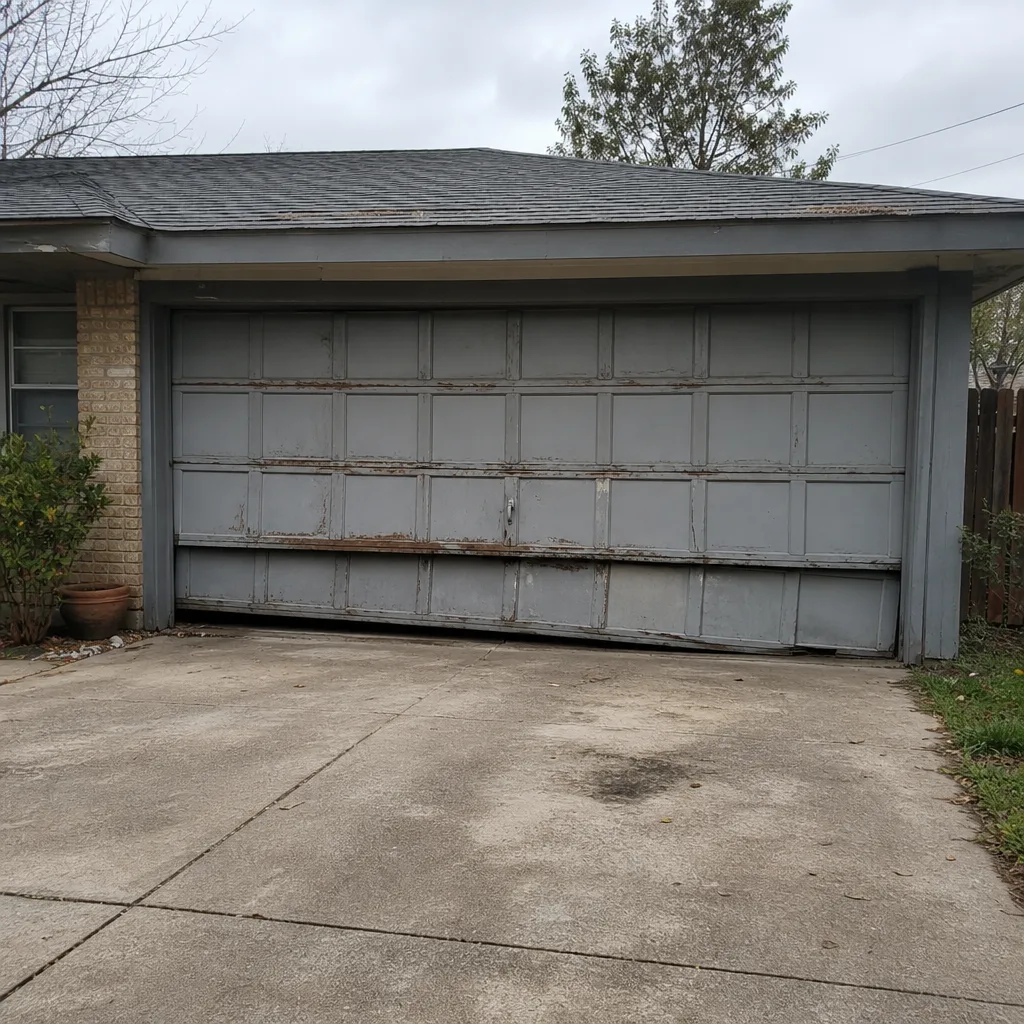
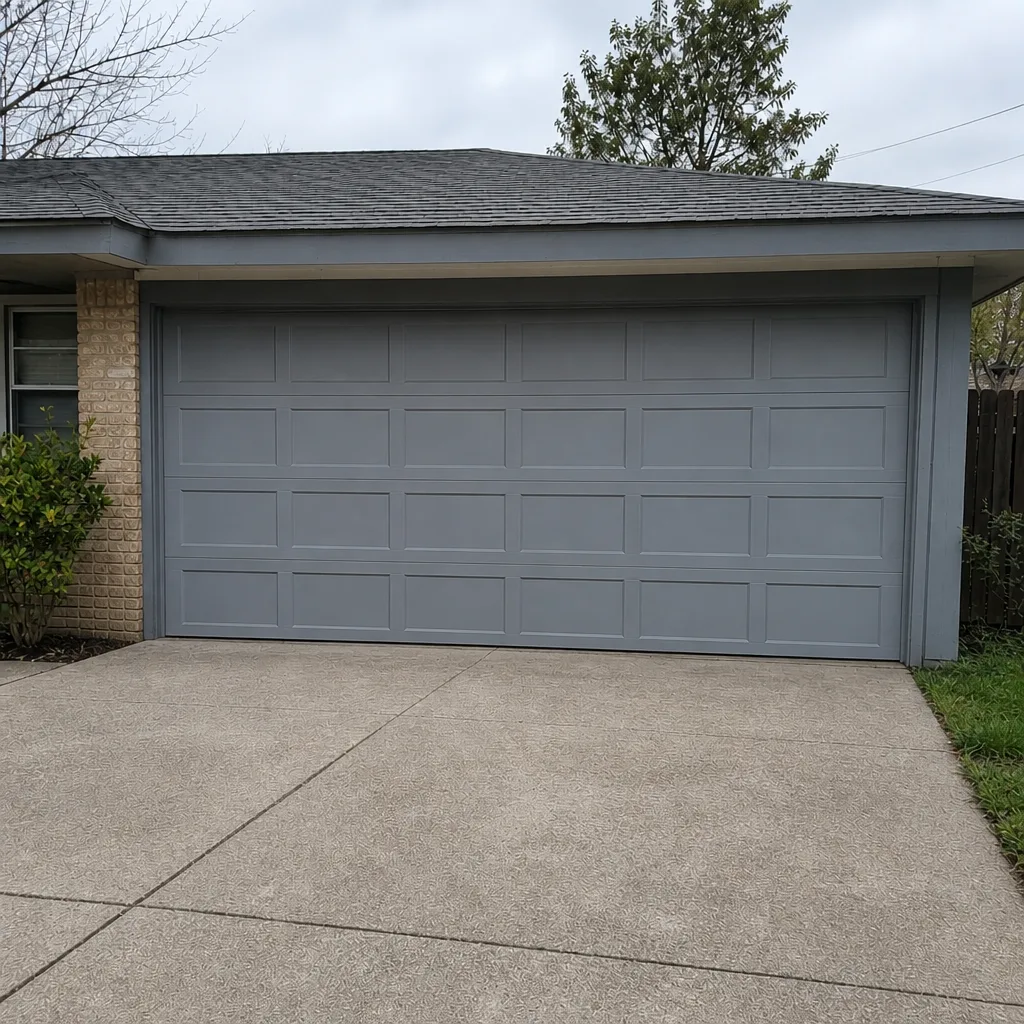
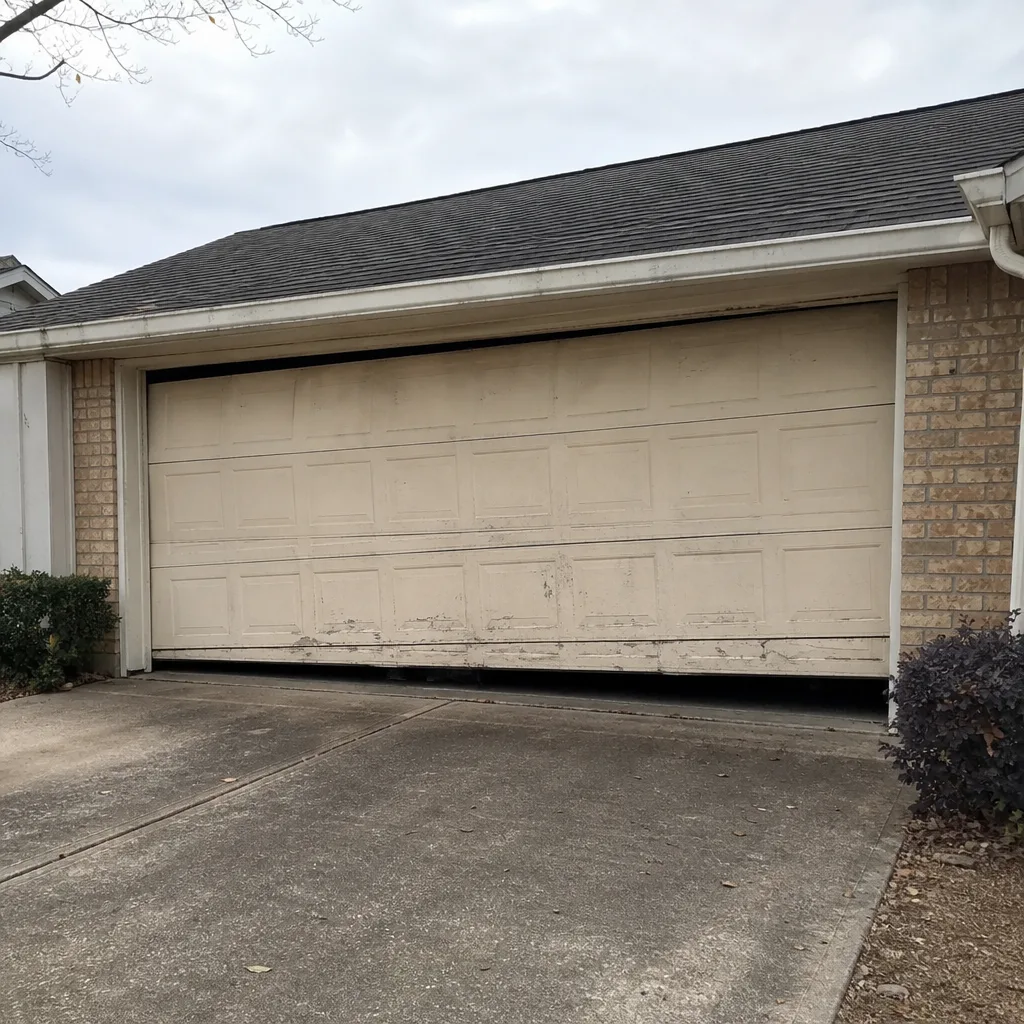
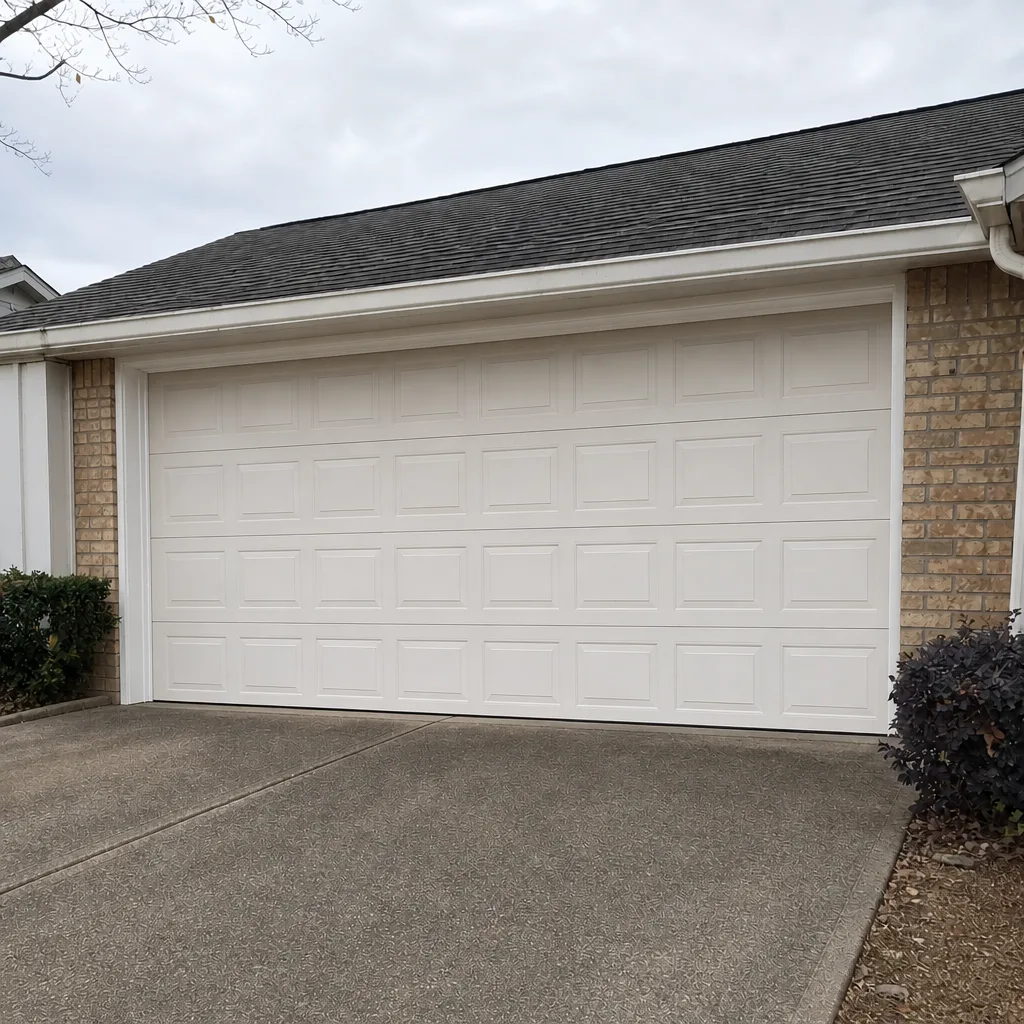
See the difference
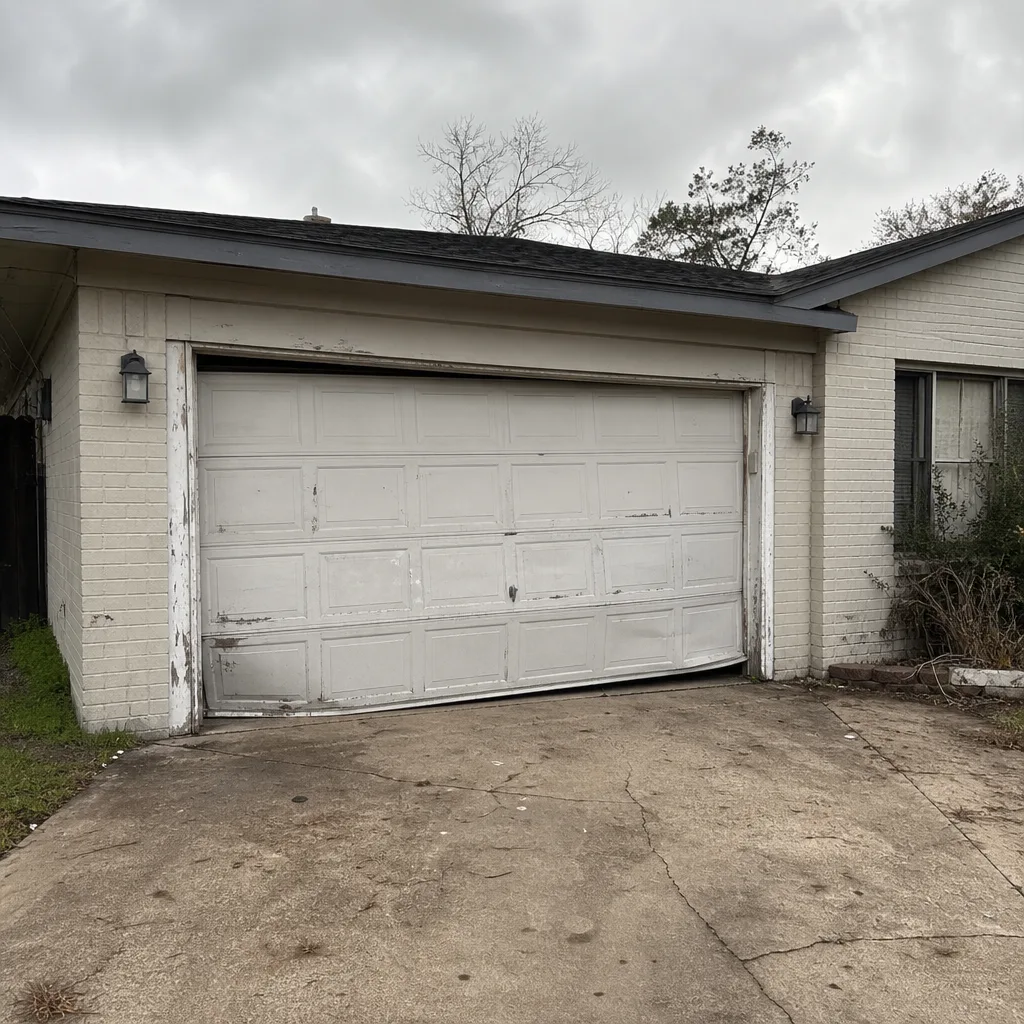 Before
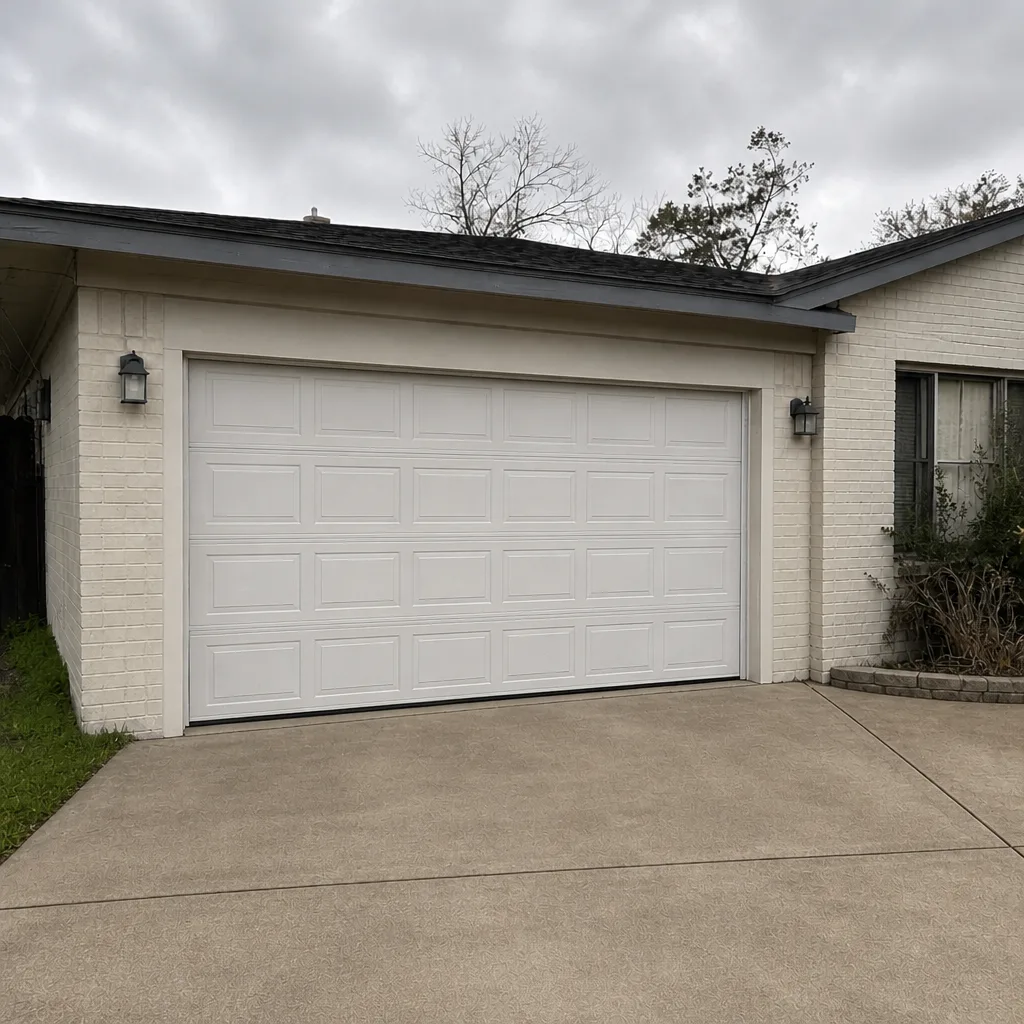 After
 Before
 After
 Before
 After
When to Call a Professional
Some items are fine to handle yourself: tightening a hinge, wiping down light rust, replacing a bottom seal. Others need a trained eye, and it’s worth knowing the line. Call a professional if the door fails the balance test, if you see rust scoring or gaps in the torsion springs, if the safety-reverse test fails, if the door binds in the track or looks misaligned, or if you hear a sharp bang from the garage. Any of these point to a safety-critical part, and springs especially should never be adjusted by anyone untrained. If the door won’t open, won’t close or won’t stay sealed, that’s the time to bring in someone who works on doors every day. Pasadena Garage Door Repair Pros offers free estimates in Pasadena – call (866) 964-5170, and we’ll tell you what the checklist is telling us and what the right fix is.
Frequently Asked Questions
Twice a year is the baseline, with a closer look at springs and seals in the humid months. Pasadena’s heat and humidity push moisture-driven failures to the front, so the spring and seal items deserve more frequent attention than a dry-climate schedule would suggest. Run the 10-point checklist in spring and again before the hottest stretch of summer.
Humidity is the main reason. Moisture on spring coils causes rust scoring, and a scored spring loses strength and can fracture under load. A spring that wasn’t galvanized may lose measurable tension in under 18 months here. That’s why rust inspection belongs near the top of any Pasadena garage door maintenance checklist.
You can lubricate rollers, hinges and pivots safely if you match the lubricant to the part and clean before applying. What you should not do is adjust or lubricate the torsion springs, which is a job for a trained technician. If you’re unsure which parts need what, call (866) 964-5170 – we’re happy to walk you through it.
If the door drifts down when you let it go halfway, or you see rust scoring or widening gaps in the coils, the spring needs professional attention. A technician can tell you whether an adjustment is enough or whether replacement is the safer call. Call (866) 964-5170 for a free estimate and a straight answer.
Not necessarily, but check it every six months and replace it when it hardens or cracks. Pasadena’s summer heat cycles harden vinyl faster than a mild climate, so a seal that’s still fine in a cooler region may already be brittle here. Replacement is inexpensive and protects the rest of the door.
Often it isn’t. A tired spring or stiff rollers make the door too heavy for the opener, so it strains or stops. Check balance and rollers first. If the opener itself is at fault, we repair the major brands, and our garage door opener repair covers both modern connected units and older mechanical ones.
The Bottom Line
Garage door maintenance in Pasadena isn’t about hitting arbitrary calendar dates. It’s about knowing which parts fail first in heat and humidity, and checking those parts with real pass/fail criteria. Springs and rollers top the list. Seals and hardware follow. Opener and safety checks close it out. Run the 10-point checklist twice a year, respect the safety line on springs, and call a professional when the door fails balance, binding or reverse tests. That’s a checklist built for how doors actually behave in Pasadena, and it will keep yours working longer.
If anything on the list turned up a fail, Pasadena Garage Door Repair Pros is here to help. We work on the major brands, we treat diagnosis as the first job, and we’ll tell you whether a repair or a replacement is the smarter call. One call covers it. Call (866) 964-5170 for a free estimate today.
Written by the team at Pasadena Garage Door Repair Pros.