Last updated November 21, 2026
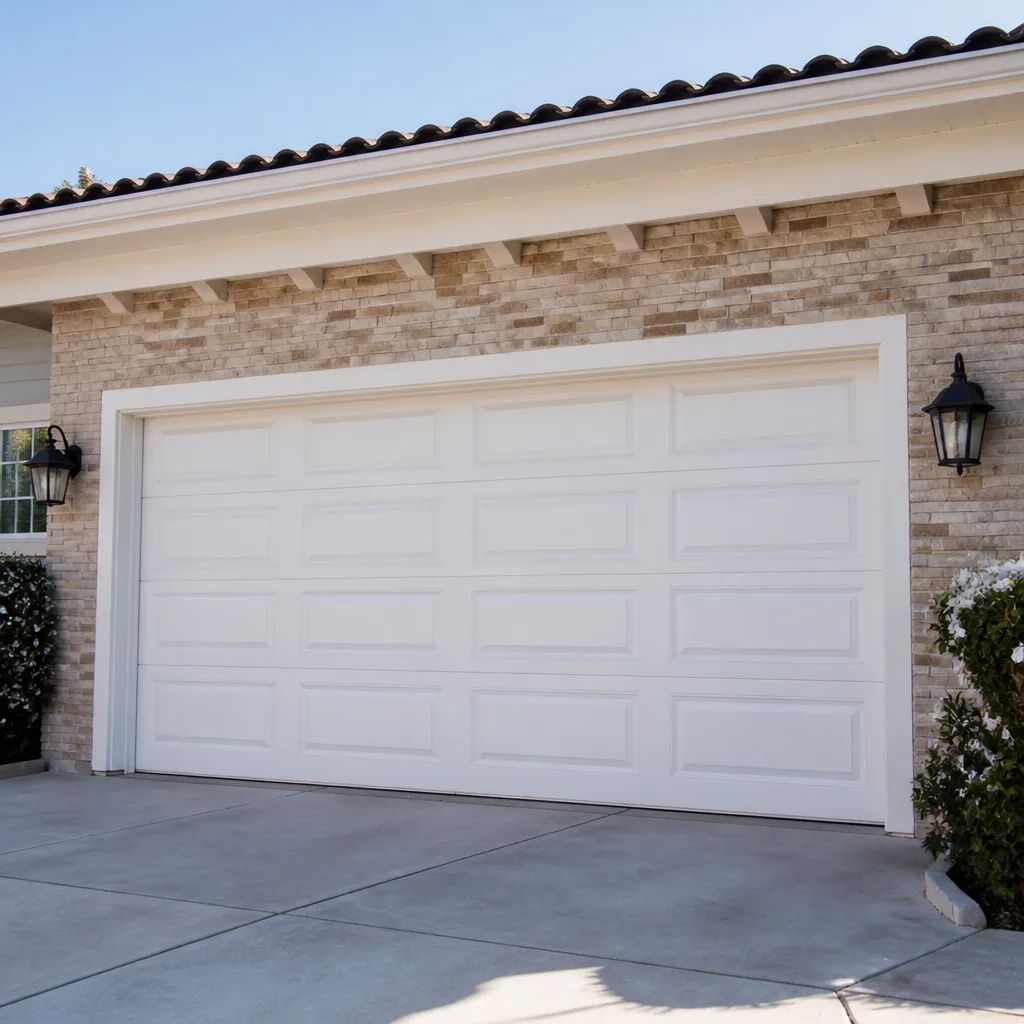 Raised-panel steel
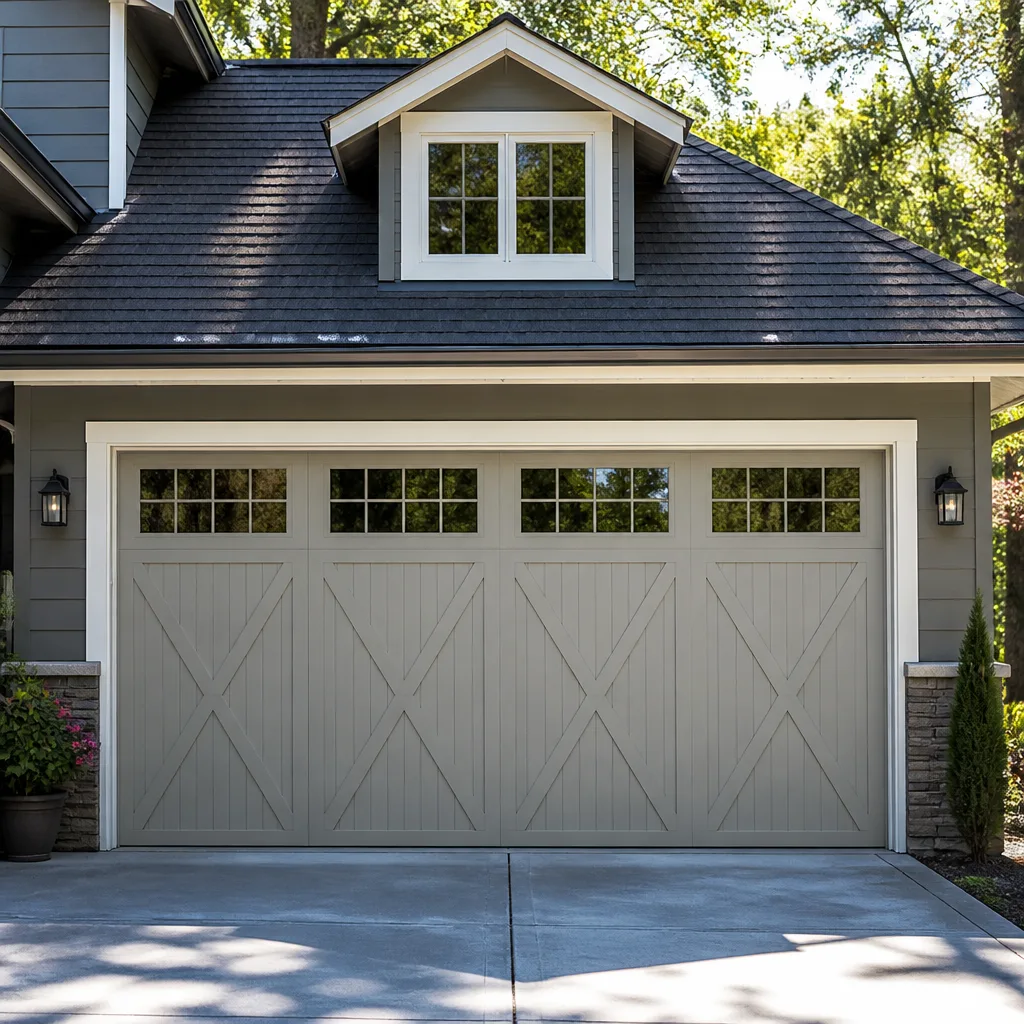 Carriage house
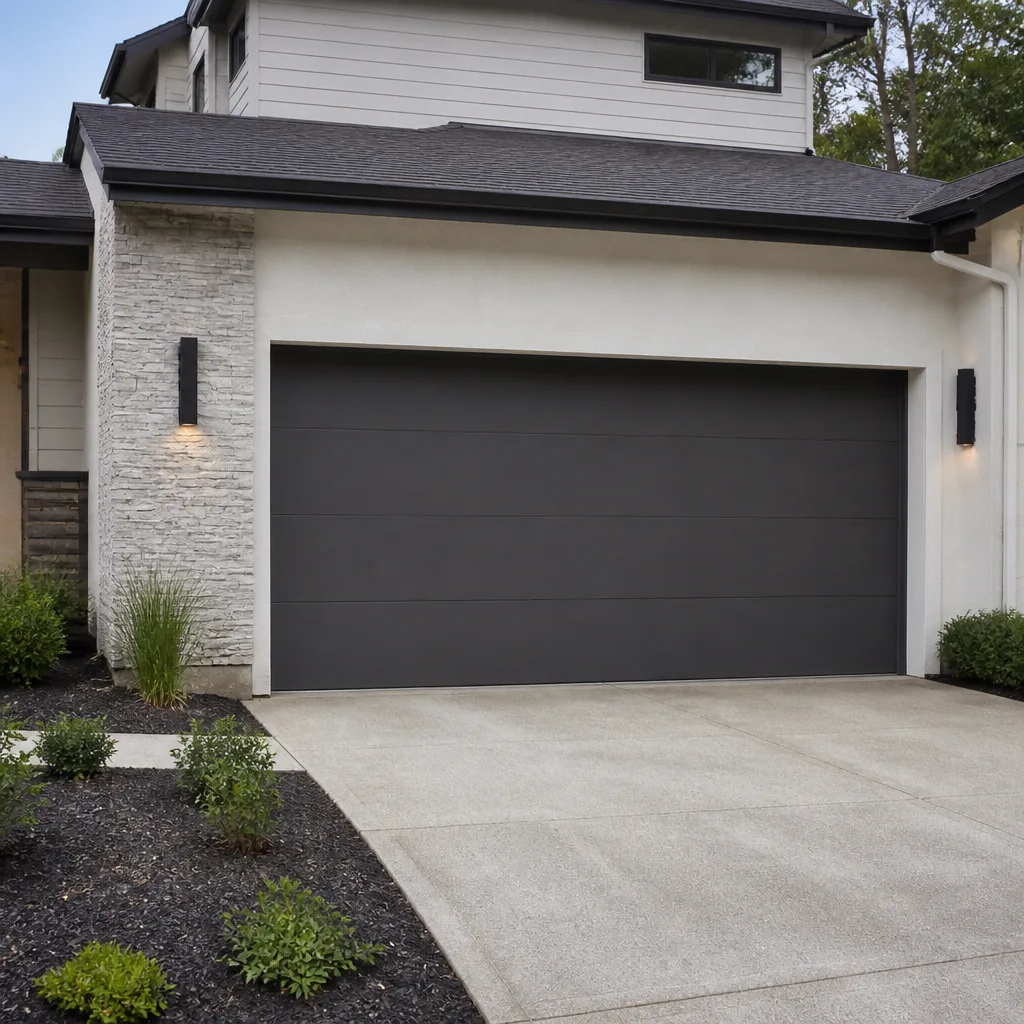 Modern flush
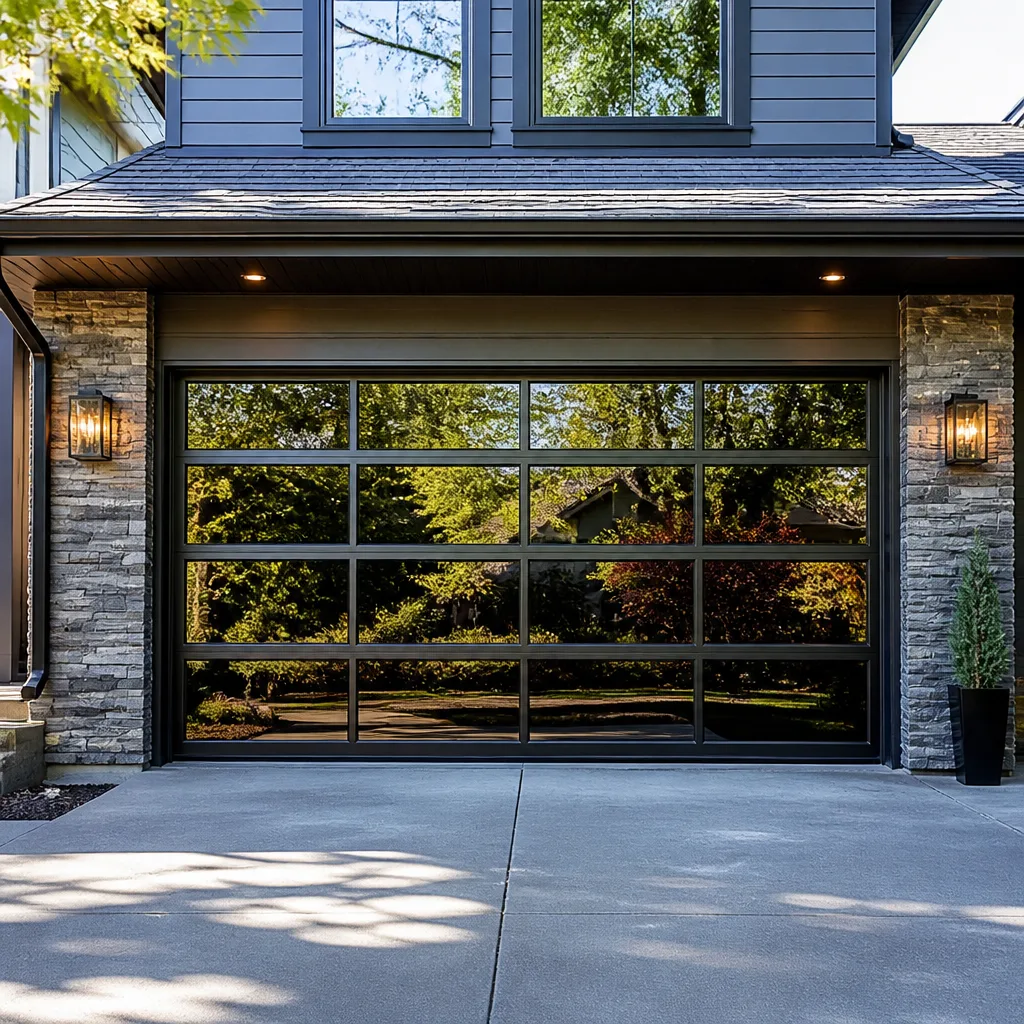 Full-view glass
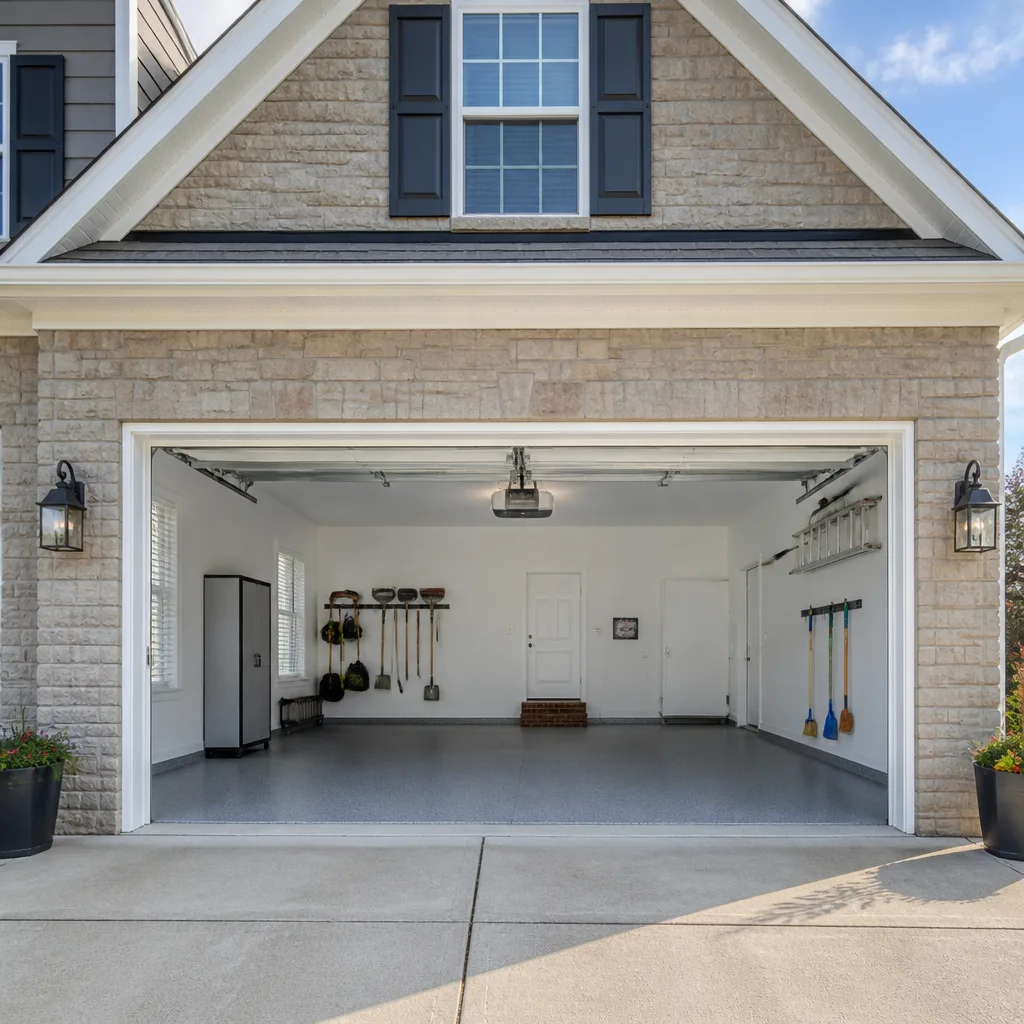 LiftMaster openers
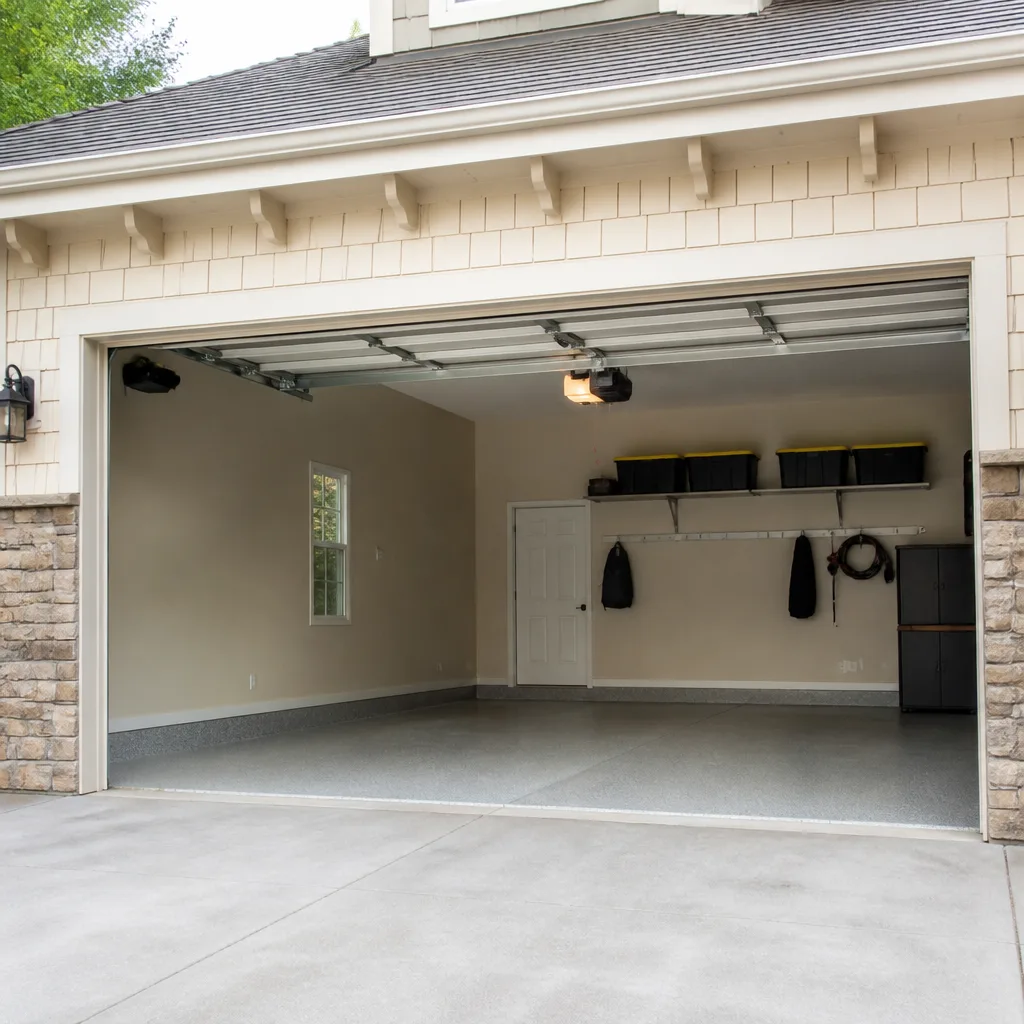 Chamberlain openers
Full 25-point door and opener safety check with every visit - springs, cables, rollers, tracks, and your LiftMaster or Chamberlain opener included
You get a price before we start. It does not change when the pro arrives.
Get your free estimateChoosing the Right Garage Door Brand: A Buyer’s Guide for Pasadena
The most-advertised garage door brand in the country builds a finish system that holds up beautifully in dry desert air and struggles in the heavy humidity we live with along the Texas Gulf Coast. The dealer networks rarely bring that up before the sale. That single mismatch explains why two doors that look identical on a showroom floor can age very differently on the same street in Pasadena. In this guide we walk through how the major brands actually perform in southeast Texas humidity, which ones keep parts within reach in the Houston metro, how steel gauge and finish systems hold up here, what Harris County wind requirements mean for your door, and how to pair a new door with the opener already on your wall.
Styles & brands we work with
- Raised-panel steel
- Carriage house
- Modern flush
- Full-view glass
- LiftMaster openers
- Chamberlain openers
Quick Answer
For most Pasadena homeowners, the best garage door brand is the one that combines a galvanized or factory-primed steel skin, a proper thermal break, a wind-load rating that meets Harris County’s requirements, and parts that a local technician can get without a long lead time. In practice that usually points to Clopay, Amarr, or Wayne Dalton for a mix of climate performance and Houston-area availability. Brand name alone matters far less than finish quality, gauge, and whether your opener works cleanly with the new door.
Table of Contents
- Why Climate Performance Beats Brand Advertising in Pasadena
- Climate-Performance Comparison: Clopay, Amarr, Wayne Dalton, CHI, and Doorlink
- Parts and Service Availability in the Pasadena and Houston Metro
- Steel Gauge, Finish Systems, and Thermal Breaks for Southeast Texas
- Wind Load Certifications and Harris County Requirements
- Matching Your Door Brand to LiftMaster, Chamberlain, and Genie Openers
- How to Choose: A Step-by-Step Buying Process
- What Garage Door Brands Cost in Pasadena
- Common Mistakes to Avoid
- When to Call a Professional
- Frequently Asked Questions
- The Bottom Line
Why Climate Performance Beats Brand Advertising in Pasadena
Pasadena sits in one of the more punishing humidity zones in Texas. Summer dew points climb into the mid-70s, the air stays thick well into the evening, and a closed garage becomes a trap for warm, moist air. That trapped moisture attacks the weakest part of any door: the finish. A door that gets a thin factory coat and no primer barrier will start showing surface rust along the bottom panel and the seams within a couple of seasons. The brand’s national reputation does nothing to stop that.
What actually determines how a door ages here comes down to four things:
- The steel base coat. Galvanized steel with a zinc layer resists humidity far better than cold-rolled steel with a simple paint coat.
- The finish system. A multi-coat factory finish (primer, base, topcoat) will outlast a single-pass paint job every time. Powders and baked-on coatings handle humidity better than air-dried paint.
- The thermal break. Insulated doors separate the outer steel skin from the inner skin with a thermal break. Without one, the steel sweats and rust starts at the joint.
- Bottom seal and panel seams. Water sits at the bottom of the door. A good bottom seal and clean panel seams keep it out of the steel.
That’s the lens we use when we evaluate a door for a Pasadena address. We’re not asking which brand advertises more during the evening news. We’re asking which door will still look right after a decade of Gulf Coast humidity. If you want the full picture on how doors fail in this climate and what it takes to fix them, our garage door repair team works through it in more detail.
Climate-Performance Comparison: Clopay, Amarr, Wayne Dalton, CHI, and Doorlink
The five brands that come up most often for residential work in Pasadena each handle humidity differently. Here’s how we compare them on the criteria that actually matter here.
- Clopay. Clopay’s premium steel lines (the insulated sandwich doors in particular) bring a galvanized steel base, a multi-layer factory finish, and a thermal break on the higher tiers. That combination handles southeast Texas humidity well. Their entry-level non-insulated lines are thinner and lose finish faster if they face moisture. Best fit: insulated steel doors for a home that faces afternoon sun.
- Amarr. Amarr builds a strong mid-range insulated steel door with a decent factory finish and solid bottom seals. Their warranty structure on finish bubbling and rust is one of the more generous in the residential market. Very good fit for the Pasadena climate when you pick an insulated model.
- Wayne Dalton. Their Thermospan line is engineered for serious insulation and thermal performance. The residential Classic Steel doors vary in finish quality depending on tier. Their foam-core doors handle humidity fine; the non-insulated budget doors need more attention to the bottom seal and panel edges.
- CHI. CHI builds an all-around steel door with strong galvanized frames and a reputation for durability. Availability in the Houston metro is decent for common sizes but long lead times on custom orders come up. Good door, plan for the wait.
- Doorlink. A regional-value brand that comes in at a lower price point. Finish quality is the weak link here in high humidity; the doors need careful inspection of the bottom panel and edges within the first few years. Fine door for a rental or a low-visibility location, less ideal for a south-facing street-facing door.
Ranked purely on climate performance for a Pasadena home facing humidity and afternoon sun, the shortlist comes down to Clopay (insulated lines), Amarr, and Wayne Dalton (Thermospan and quality Classic Steel). CHI is close behind. Doorlink is where budgets get tight.
Parts and Service Availability in the Pasadena and Houston Metro
A door brand with no local parts pipeline turns a two-day spring job into a two-week job. That’s the calculus that rarely shows up in a brochure. When you need a strut, a hinge, a bottom seal, a panel, or a roller, the technician on your driveway needs to get the part without a national shipping delay.
Here’s what we see in the Houston metro:
- Clopay and Amarr have the widest distribution in the Houston metro. Panels, hinges, struts, and common hardware are usually a phone call and a delivery away. Custom panel orders still take time, but standard sizes come quickly.
- Wayne Dalton has solid distribution through regional dealers. The Thermospan line is well-supported; some older Classic Steel models require a call to confirm part numbers.
- CHI distributes through regional suppliers. Common parts are available; custom panel orders can run long.
- Doorlink parts move through regional channels too, but the supplier network is thinner and some hardware needs to be sourced or matched.
- LiftMaster, Chamberlain, and Genie openers are the three most common systems in Pasadena homes. Opener parts (belts, gears, logic boards, remotes, safety sensors) are all readily available locally.
One thing we’ve noticed working in Pasadena: the older neighborhoods west of Highway 146 often have doors that were installed decades ago and predate any of the brands on the shortlist. Those doors frequently have obsolete hardware. When we’re diagnosing them, we look for whether the cost of matching replacement parts to a door that’s out of production makes more sense than a new door. That’s the “right fix, not the fastest upsell” conversation. Our Pasadena Garage Door Repair Pros page lays out the repair-versus-replace framework if you’re trying to make that call.
Steel Gauge, Finish Systems, and Thermal Breaks for Southeast Texas
Steel gauge determines how much of a beating a door takes before it dents, sags, or bends at the struts. For the Southeast Texas climate specifically, the gauge interacts with the finish system and the thermal break in three ways that matter.
Steel gauge
Residential garage doors are typically built from 24, 25, or 26-gauge steel. Lower gauge = thicker steel = stronger door. A 24-gauge door weighs more but resists dents and wind better. A 25- or 26-gauge door is common on entry-level models and can develop dimples and waviness within a few years. For a Houston-area home that sees storm-driven wind, 24-gauge is where we’d start for a street-facing door.
Finish systems
The majority of mass-market doors are finished with a factory-applied paint or a baked enamel. The good ones put down a primer coat first. This two- or three-stage finish is what holds up to humidity. The cheap ones put one coat on cold-rolled steel and hope. When you’re comparing doors on a showroom floor, ask what finish system is on the steel and whether the base coat includes a primer. That question alone filters out a lot of doors that won’t last here.
Thermal breaks
Insulated doors use a thermal break between the outer and inner steel skin. This stops the steel from conducting heat and cold between the two surfaces. In a Pasadena summer, a door without a thermal break will sweat at the joints, and moisture gets behind the finish where rust starts. For any home where the garage is attached, insulated is worth the cost. A thermal break also reduces heat transfer into the house and keeps the garage a few degrees cooler on the worst August afternoons.
The other piece of this is hardware. Hinges, rollers, and springs on a door that faces humidity need proper coatings. Nylon rollers hold up better than steel rollers in humid air. Galvanized or zinc-plated hinges resist rust longer than painted steel.
Wind Load Certifications and Harris County Requirements
Harris County’s wind requirements apply to garage doors in a way many homeowners aren’t aware of until they get a quote. A door that isn’t rated for the wind zone either gets aftermarket bracing or a replacement. Some brands offer doors that come pre-engineered to meet the requirement. Others need to be retrofitted.
What you want to look for:
- A door that comes with a wind load rating from the factory (typically described as a design pressure rating).
- Factory-installed struts sized for the wind rating, not aftermarket steel bolted on.
- Track and hardware rated for the same wind category as the door itself.
- Documentation from the manufacturer that confirms the rating for your specific size.
The practical difference between a factory-rated door and an aftermarket-braced door shows up over time. Aftermarket bracing adds steel to the back of the door, which changes its weight and its balance. The springs on the door have to be sized for the braced weight. If they weren’t, you’ll be replacing springs early. A door that came from the factory with the strut system already engineered in is the cleaner path.
Clopay, Amarr, and Wayne Dalton all offer wind-loadrated products in their residential lines. When you’re getting your quote, ask which of the quoted doors are factory-rated for Harris County and which require aftermarket bracing. That’s the comparison that actually matters. For the record, the requirements apply to the door, the tracks, and the anchors. Every part of the system is part of the rating.
Because the requirement can shift and because permits come into play on some installations, always confirm with your city’s building department on the exact requirement for your address. We can’t give a one-size answer for that. The garage door repair page covers what the requirements mean when a door has to be swapped, and the safety side of things when something’s off.
Matching Your Door Brand to LiftMaster, Chamberlain, and Genie Openers
A new door weighs more or less than the one coming off. The opener on your ceiling has to be able to lift it. The door brand itself isn’t what determines compatibility. The opener’s lifting capacity versus the new door’s weight is what determines compatibility, plus the balance of the door and the safety features on the opener.
Pasadena homes overwhelmingly run one of three opener families: LiftMaster, Chamberlain, or Genie. Here’s what we watch for with each when we pair a new door to an existing opener:
- LiftMaster. Modern LiftMaster openers (belt, chain, and screw drive, plus WiFi-connected models) handle different door weights well and pair cleanly with insulated steel doors. Their accessories (remotes, keypads, safety sensors) are widely available locally. Older LiftMaster units may need a new safety-reversing sensor setup to match a heavier door.
- Chamberlain. Shares much of its internal platform with LiftMaster. The same lifting capacity rules apply. Smart-home integration (myQ) works fine with a new door as long as the opener itself is healthy.
- Genie. The most common older opener we see in Pasadena homes. Older screw-drive and chain-drive Genie units often don’t have the lifting capacity for a heavier insulated door. If the door coming off was thin and the replacement is insulated, the opener may need to be uprated. The Genie silent-max belts and newer screw-drive units handle the weight fine.
The other piece of the pairing story is the safety reverse system. All three brands include photoelectric safety sensors and a pressure-reversing feature. If your current opener is older and the sensors aren’t present or functional, those get added with the new door. That’s not a brand issue. It’s a safety issue. Our garage door opener repair team handles the pairing and upgrade when a new door goes on. If you’re not sure which opener you have, take a photo of the ceiling unit and the wall button before you call.
How to Choose: A Step-by-Step Buying Process
Choosing a door in Pasadena comes down to six steps. Each of these gets you closer to a door that will last here and a quote that reflects reality.
- Measure the opening precisely. Width, height, headroom (above the door), backroom (depth behind the door), and sideroom (space beside the door for tracks). Get every one of these. A door ordered from a measurement that missed headroom or backroom won’t fit. This is the step most homeowners skip and most installers catch.
- Decide between insulated and non-insulated. For an attached garage in Pasadena, insulated is the default we recommend. Detached garage or uninsulated shop, non-insulated is fine. Insulated doors cost more but reduce heat transfer and hold their finish better because of the thermal break.
- Choose the panel style, color, and window layout. Traditional raised-panel is the most common in Pasadena neighborhoods. Carriage style works well on homes with a craftsman or bungalow look. Window inserts (acrylic or polycarbonate) come in a range of patterns. Decide whether your street benefits from windows or whether privacy matters more.
- Check wind-load requirements. Confirm with the city’s building department whether your door needs a factory wind rating or whether standard bracing meets the requirement. Ask the supplier to document the rating for the specific door you’re quoting.
- Get a written quote from a supplier that has the brand you want in stock locally. This is where brand availability in the Houston metro matters. A door that’s technically great but takes six weeks to arrive means six weeks of driving a rental car or leaving a car outside. Ask the lead time in writing.
- Confirm the opener pairing and the installation scope. Will the existing opener lift the new door? Are the safety sensors and pressure-reversing features present? Will the quote include the track, hinges, rollers, springs, and any adjustment to the wood frame? Those are questions that need answers before the door ships.
If you want the estimate to reflect real numbers, work through all six steps before calling. That’s when the quote you get stands up. The written estimate sets the final price, and we’re not going to surprise you on the day of the install.
What Garage Door Brands Cost in Pasadena
Door prices in Pasadena break down by brand tier and by type. These are typical estimates. Your written quote is the price.
- Single-car steel door, non-insulated, entry-level brands (Doorlink, basic Wayne Dalton Classic Steel): typically $700 to $1,100 for the door itself, plus installation.
- Single-car insulated steel door, mid-tier (Amarr, Clopay entry insulated lines): typically $1,200 to $1,900 for the door, plus installation.
- Single-car insulated steel door, upper-tier (Clopay premium lines, Wayne Dalton Thermospan): typically $1,800 to $2,800 for the door, plus installation.
- Double-car steel door, insulated, mid-to-upper tier: typically $2,200 to $4,200 for the door, plus installation.
- Wind-load rated/bracing upgrades where required: typically $300 to $900 depending on the doors and the hardware.
- Opener replacement if the existing one can’t lift the new door: typically $350 to $900 installed for the common LiftMaster, Chamberlain, and Genie models.
Installation for a standard single door runs in the $400 to $700 range; doubles run $600 to $1,000. Custom sizes, complex track layouts, and carriage-style doors with decorative hardware push toward the top of the range or above it. Here’s the part that matters: we quote the door and the installation as one number before any work starts. The written estimate sets the final price. Nothing gets added on install day because of a surprise measurement issue.
If your existing door can be repaired rather than replaced, the honest number often lands under $400 for a panel swap or a hardware fix. Springs are a separate conversation. Our garage door spring repair team handles spring work as its own specialty; the cost is per spring, and a matched pair is replaced together, so a pair runs about twice a single spring.
Common Mistakes to Avoid
- Buying on brand advertising alone. The brand that gets the most air time isn’t the door that survives Pasadena humidity. Ask what the finish system is and whether it’s factory-rated for the climate here.
- Ignoring the wind-load requirement until the quote. Harris County requirements affect the door, tracks, and anchors. Finding out after you’ve ordered the door means either aftermarket bracing that changes the door weight and spring sizing, or a return.
- Skipping the headroom and backroom measurements. A door that fits the opening but not the space above or behind it has to be reordered. This is the most common order error we see.
- Pairing a heavier door with an existing opener without checking lifting capacity. A new insulated door weighs more than a basic door, and an older Genie or LiftMaster may not have the capacity. A dead opener two weeks after the new door goes on is a bad surprise.
- Choosing a brand with no Houston-area parts pipeline. A door brand with a national name but no local distribution can leave you waiting weeks for a replacement panel or hardware. Always ask about local stock.
- Assuming all insulated doors have a thermal break. Some do. Some don’t. In a Pasadena summer, an insulated door without a thermal break can sweat at the joints, which is where rust starts.
- Ignoring the bottom seal and panel seams in the quote. Those are the first places water gets in. A quote that doesn’t include them is not the quote you need.
When to Call a Professional
Some door problems are cosmetic and can wait. Others are safety-critical, and the line between them isn’t always obvious. Call a professional if the door is crooked, won’t open or close fully, or the opener runs but the door doesn’t move. Call when a spring is broken, hanging loose, or making a snapping or popping sound; that’s a high-tension part, and it can cause serious injury. Call when the door comes down faster than it should, when the auto-reverse doesn’t work, or when the bottom seal is torn and the panel underneath has rusted. If the door is off its tracks or a car has hit it, stop using the opener and call before trying to close it. Springs are dangerous. Leave it to a trained technician.
Pasadena Garage Door Repair Pros offers free estimates in Pasadena. We work on the door and opener brands listed in this guide, and our technicians have up to 10 years of experience. Call (866) 964-5170 and we’ll talk through what’s going on and give you a straight answer on what it needs.
Frequently Asked Questions
For most Pasadena homes, the best brand is one that combines galvanized steel, a factory multi-coat finish, a thermal break on insulated models, and local parts availability in the Houston metro. Clopay, Amarr, and Wayne Dalton tend to hit that combination most often. Call (866) 964-5170 to talk through your specific home and we’ll give you an honest recommendation.
The ones with a galvanized steel base, a primer-plus-topcoat factory finish, and a thermal break on insulated doors. Clopay’s insulated lines, Amarr’s mid-range, and Wayne Dalton’s Thermospan handle humidity well. Doors with a single-pass paint finish on cold-rolled steel need attention within a few years here. Call (866) 964-5170 for an estimate that matches your door and your budget.
Many garage doors in Harris County do require a wind-load rating that meets the local code for the specific address. Some brands offer factory-rated doors; others need aftermarket bracing. Confirm the exact requirement with the city’s building department before ordering, and ask the supplier to document the rating for your size. Call (866) 964-5170 if you want a second opinion on what’s required.
No. We work on the brands we’ve confirmed compatibility with: LiftMaster, Chamberlain, Genie, Clopay, Amarr, Wayne Dalton, Craftsman, and Raynor. That covers most of what’s installed in Pasadena homes, including both modern WiFi-connected openers and older mechanical units. If you’re not sure what you have, take a photo and call (866) 964-5170.
It depends on the opener’s lifting capacity and the weight of the new door. A heavier insulated door may need a newer opener or an uprated one. Most LiftMaster, Chamberlain, and Genie units handle a standard insulated door fine; older screw-drive Genie units often don’t. Call (866) 964-5170 for an estimate that includes the opener pairing.
A typical single-car steel door in Pasadena runs roughly $700 to $2,800 for the door itself, depending on whether it’s insulated and which brand tier you pick. Installation runs $400 to $700. Double doors run higher, wind-load bracing adds $300 to $900 where required, and opener replacement adds $350 to $900 if needed. The written estimate sets the final price before any work starts. Call (866) 964-5170 for a free estimate.
The Bottom Line
The right garage door brand for Pasadena is the one that holds its finish in Gulf Coast humidity, carries a thermal break on insulated models, meets Harris County’s wind requirement from the factory, and keeps parts available in the Houston metro. That shortlist comes down to Clopay, Amarr, and Wayne Dalton for most homes, with CHI as a solid alternative and Doorlink as the budget option. Steel gauge, finish system, and thermal break matter more than the logo on the door. So does the opener pairing, because the door and the opener are one system. Our team handles diagnosis, repair, opener troubleshooting, spring replacement, and full new-door installation as one call. The written estimate sets the final price, and the estimate is free. Call (866) 964-5170 and we’ll talk through your home, your existing door, and what it actually needs.
Written by the team at Pasadena Garage Door Repair Pros.
See the difference
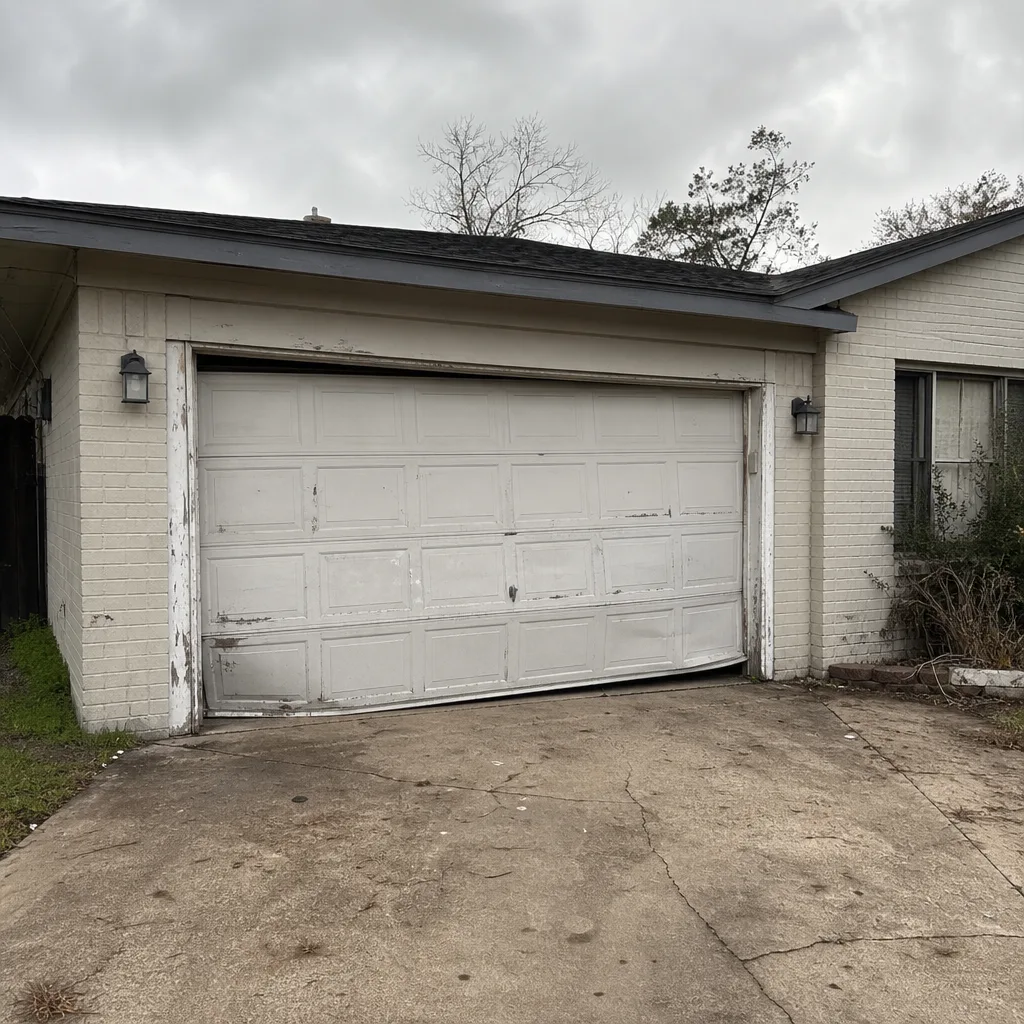 Before
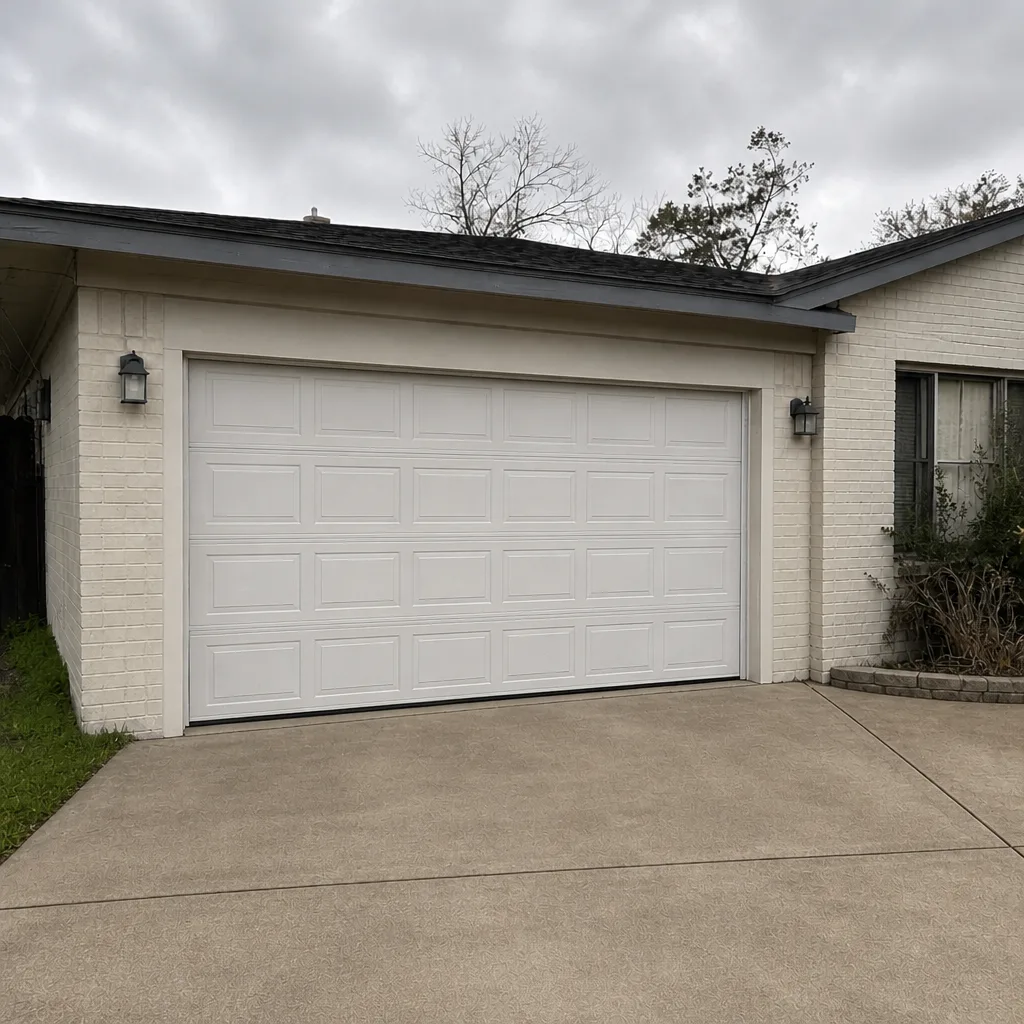 After
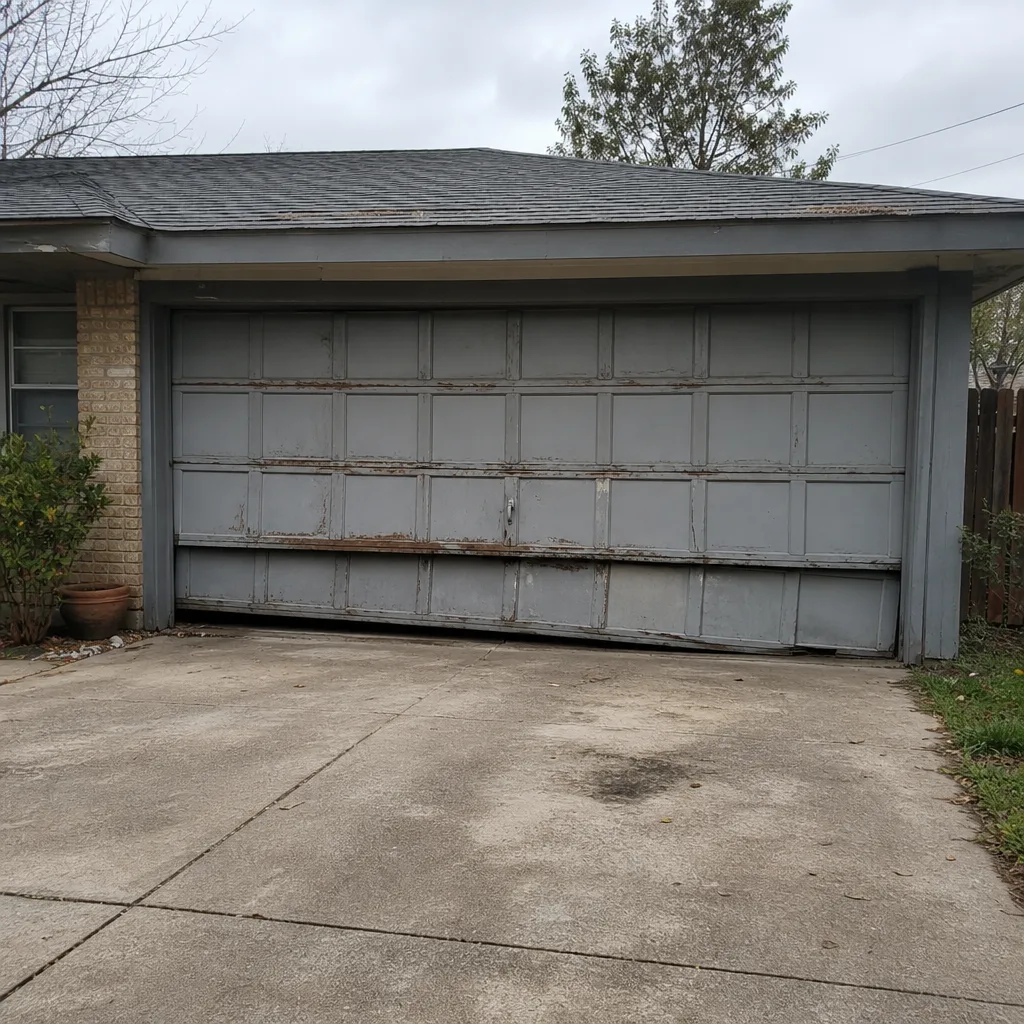 Before
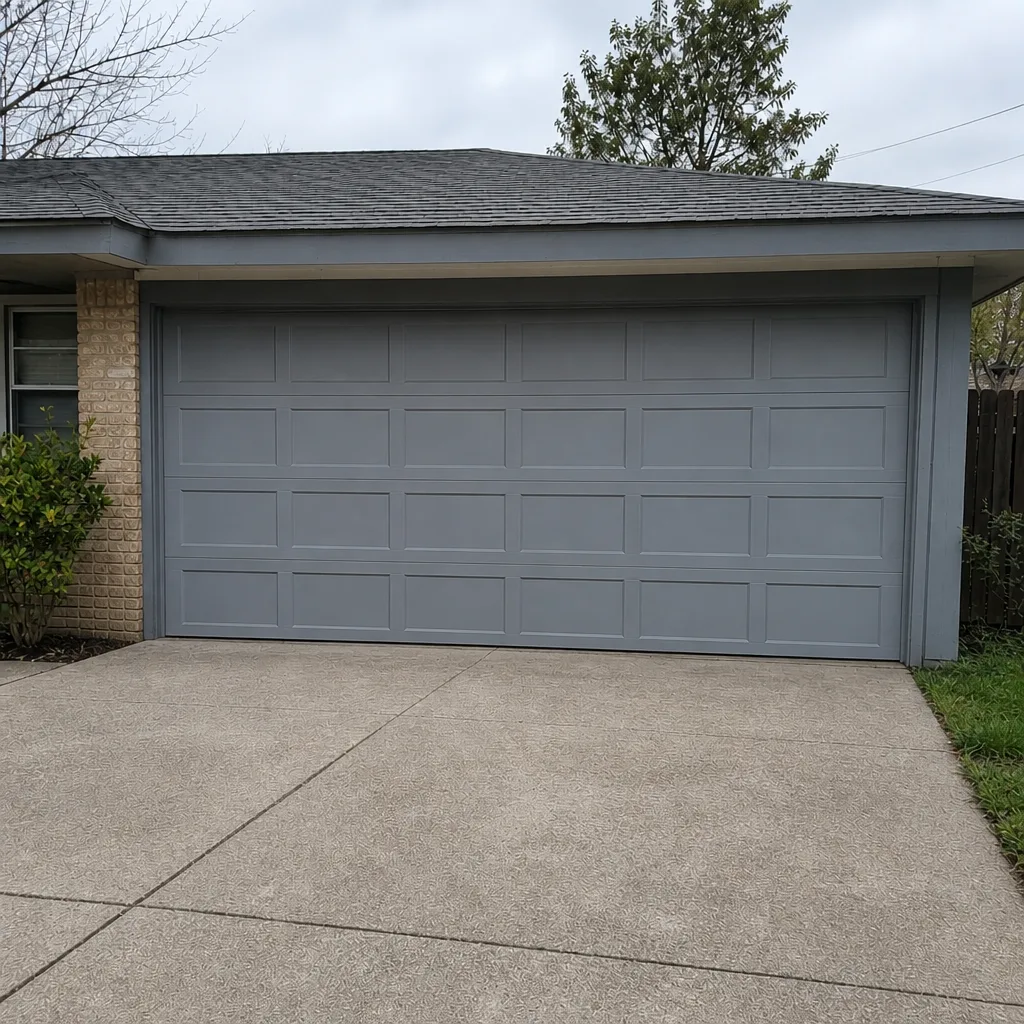 After
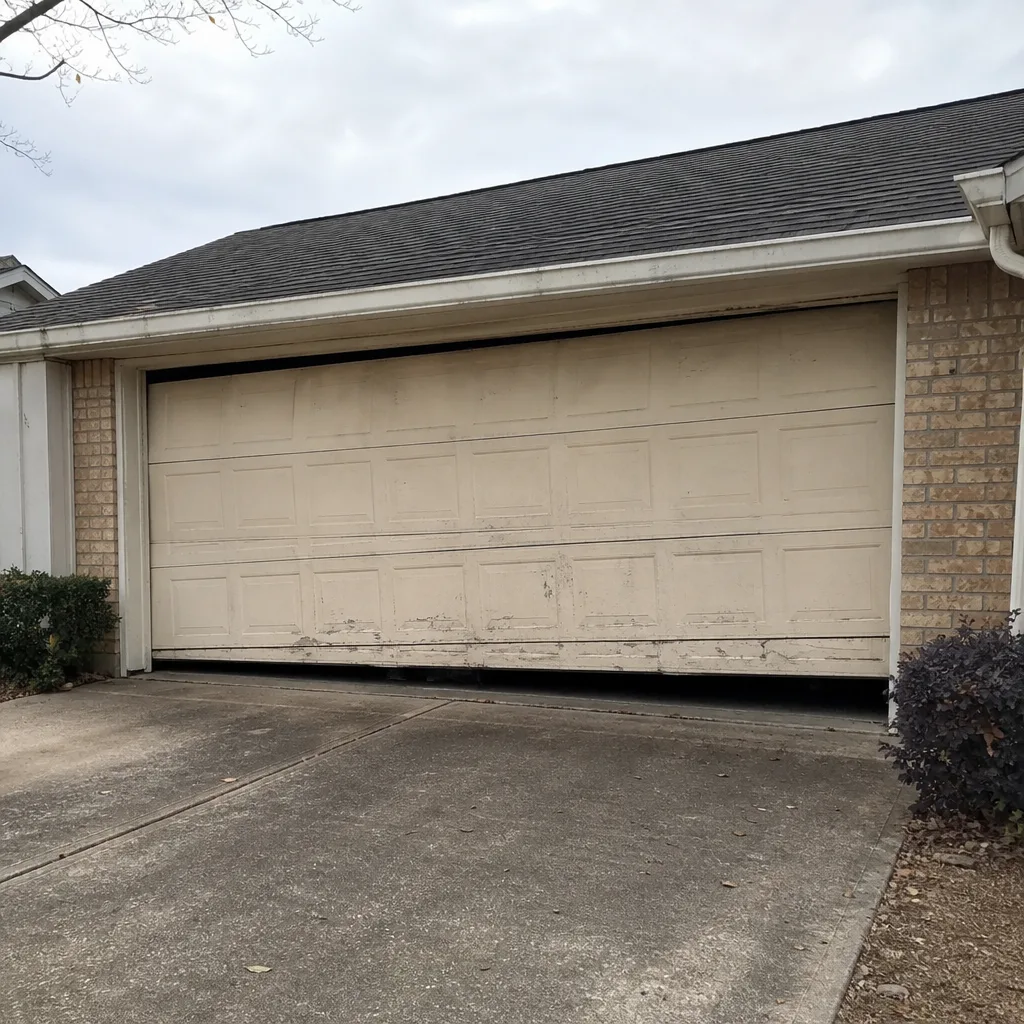 Before
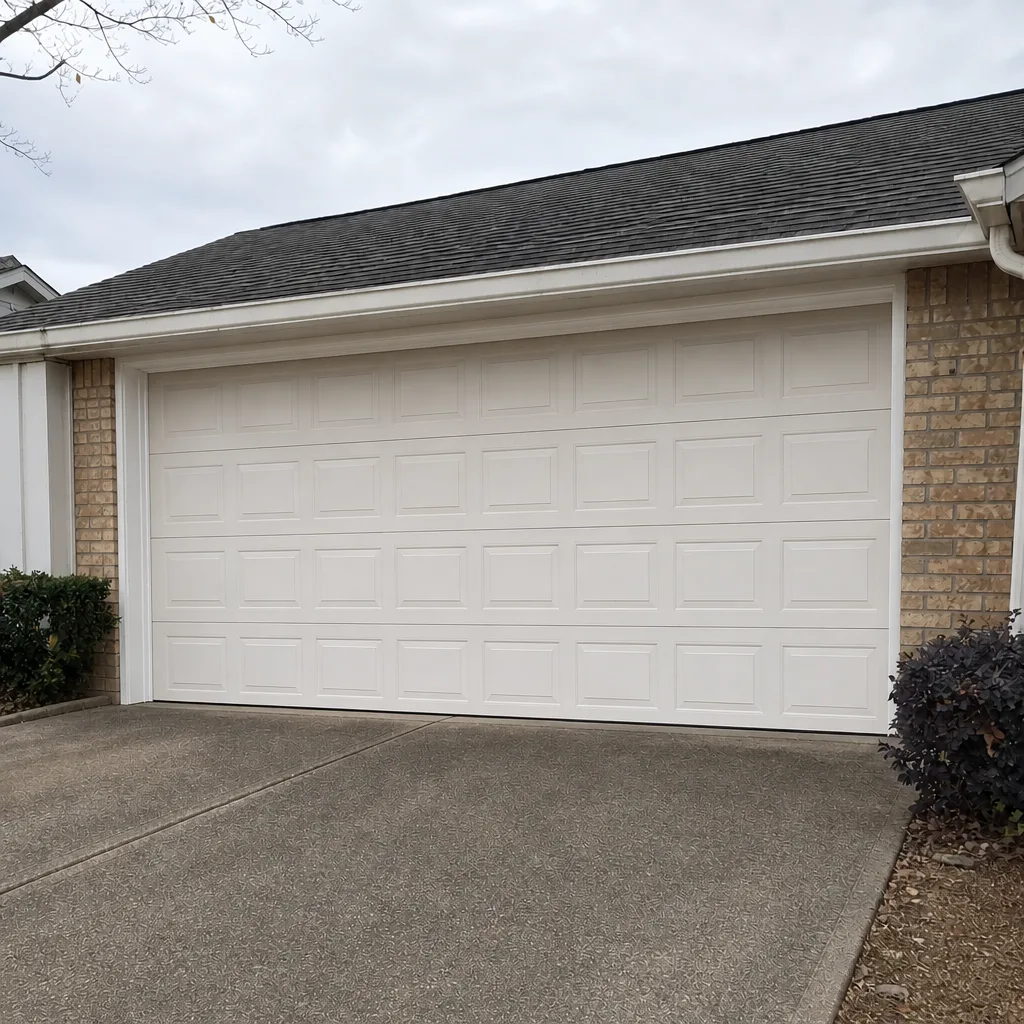 After