Last updated November 21, 2026
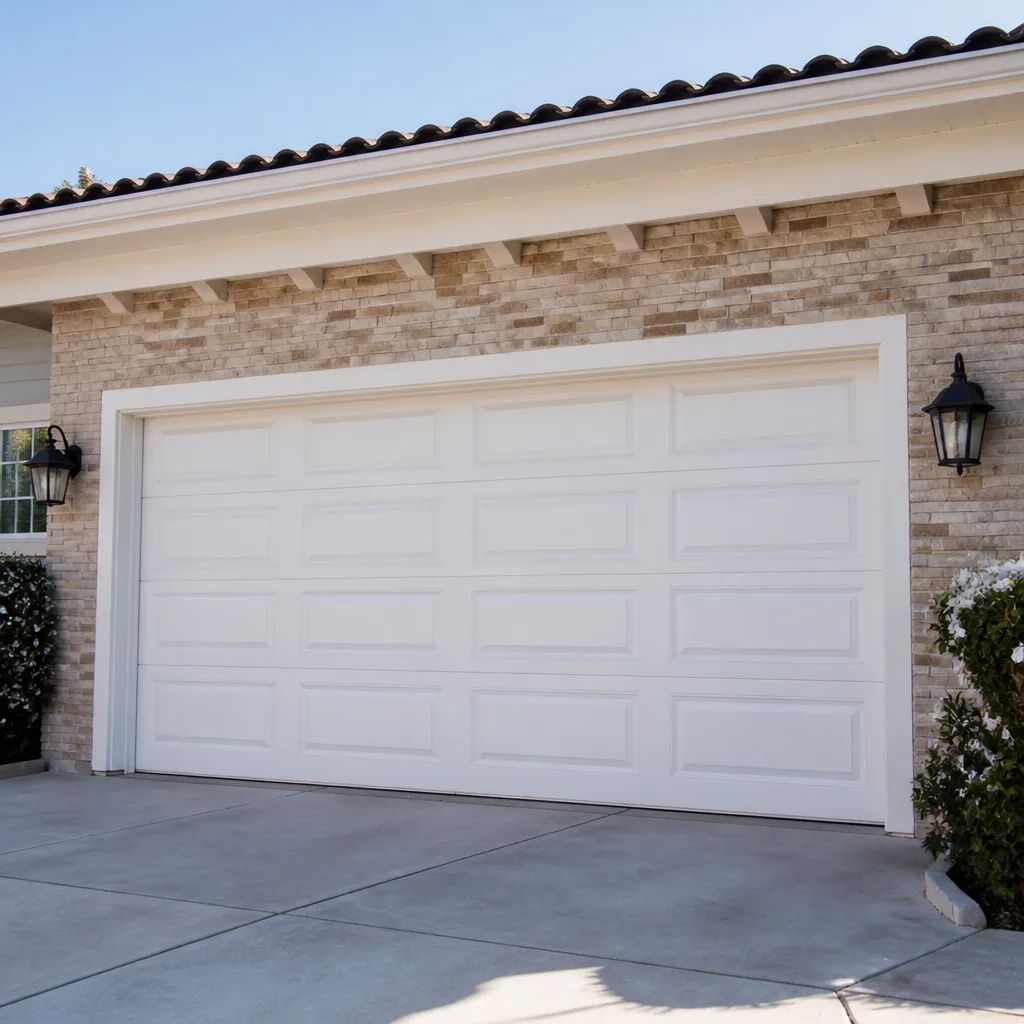 Raised-panel steel
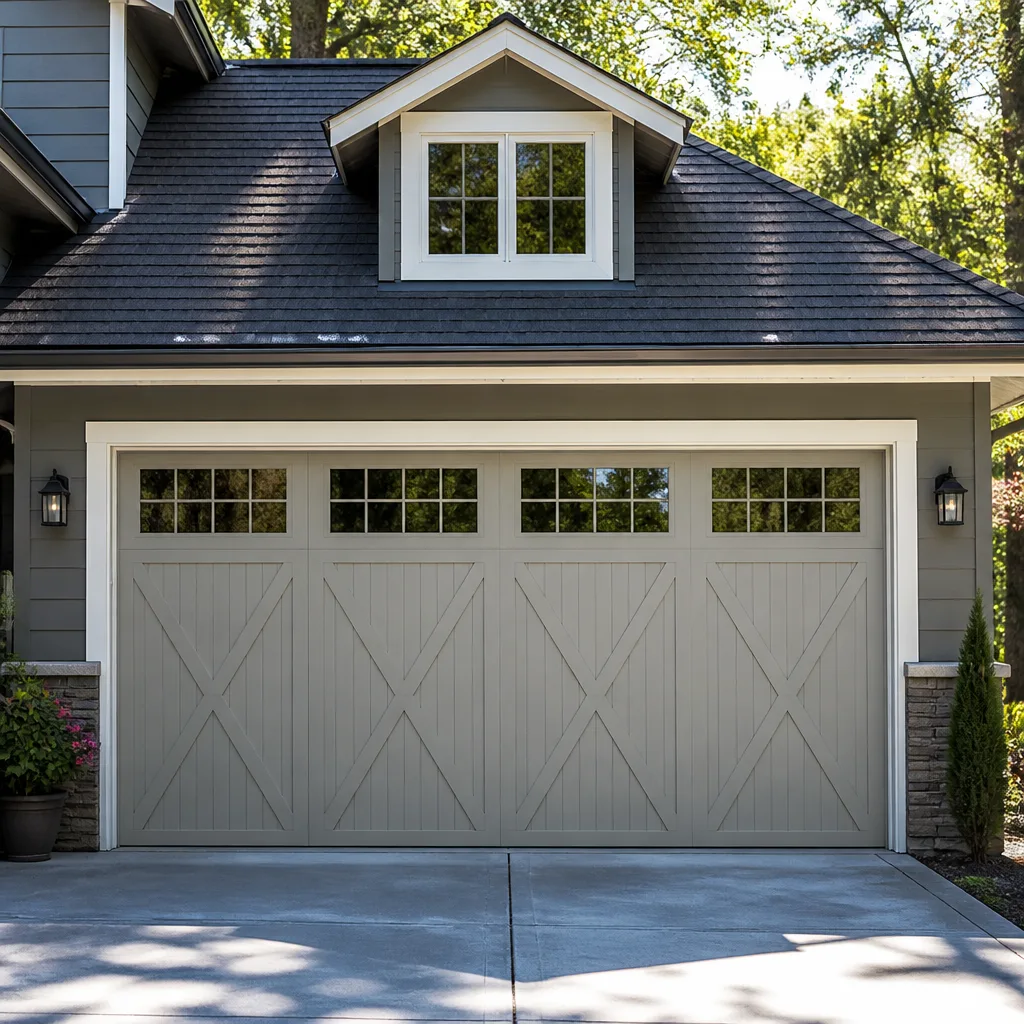 Carriage house
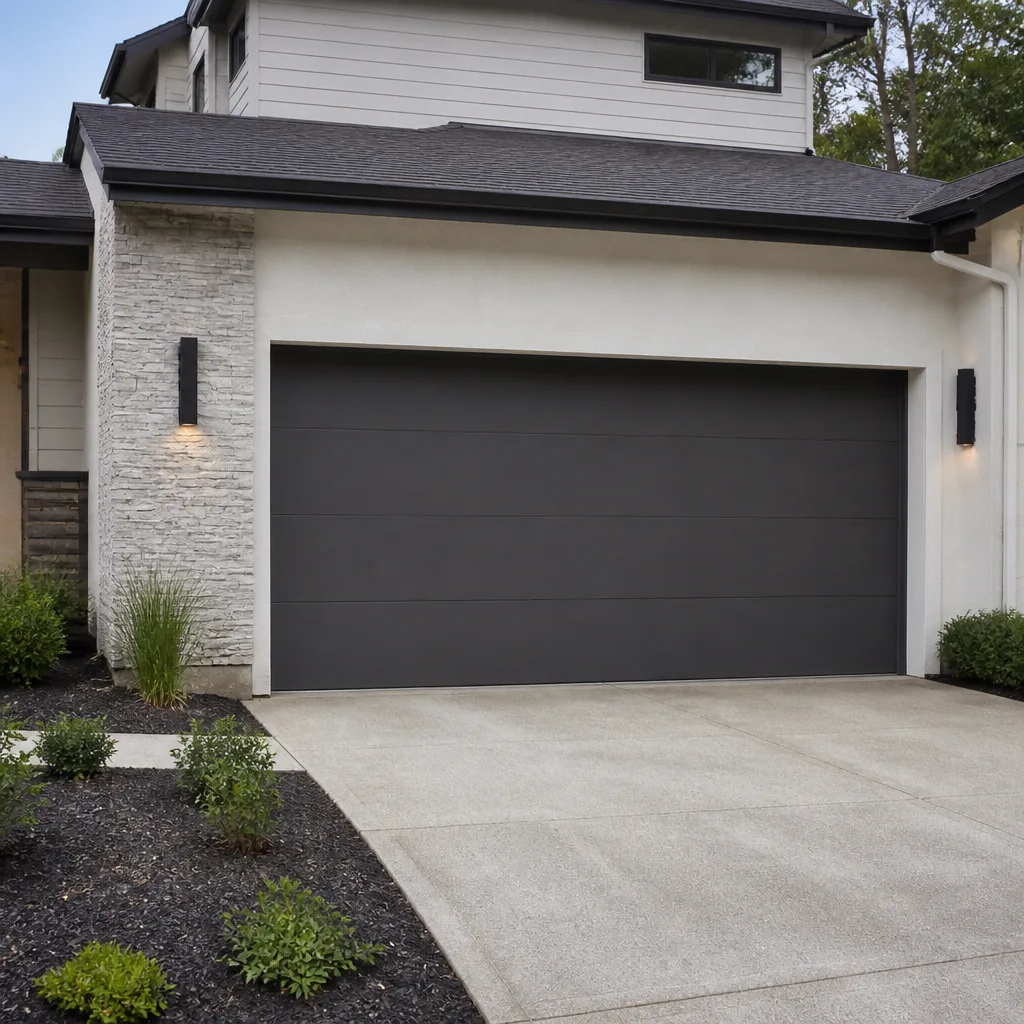 Modern flush
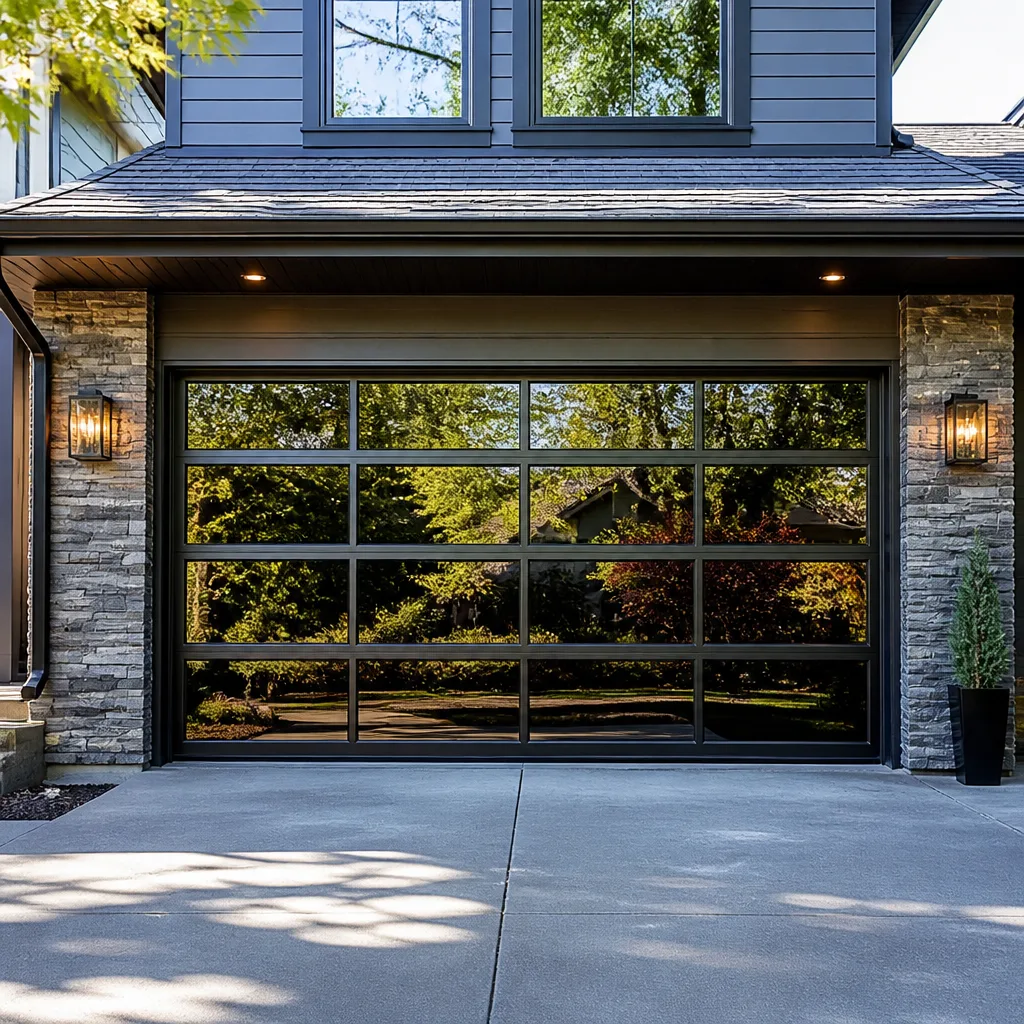 Full-view glass
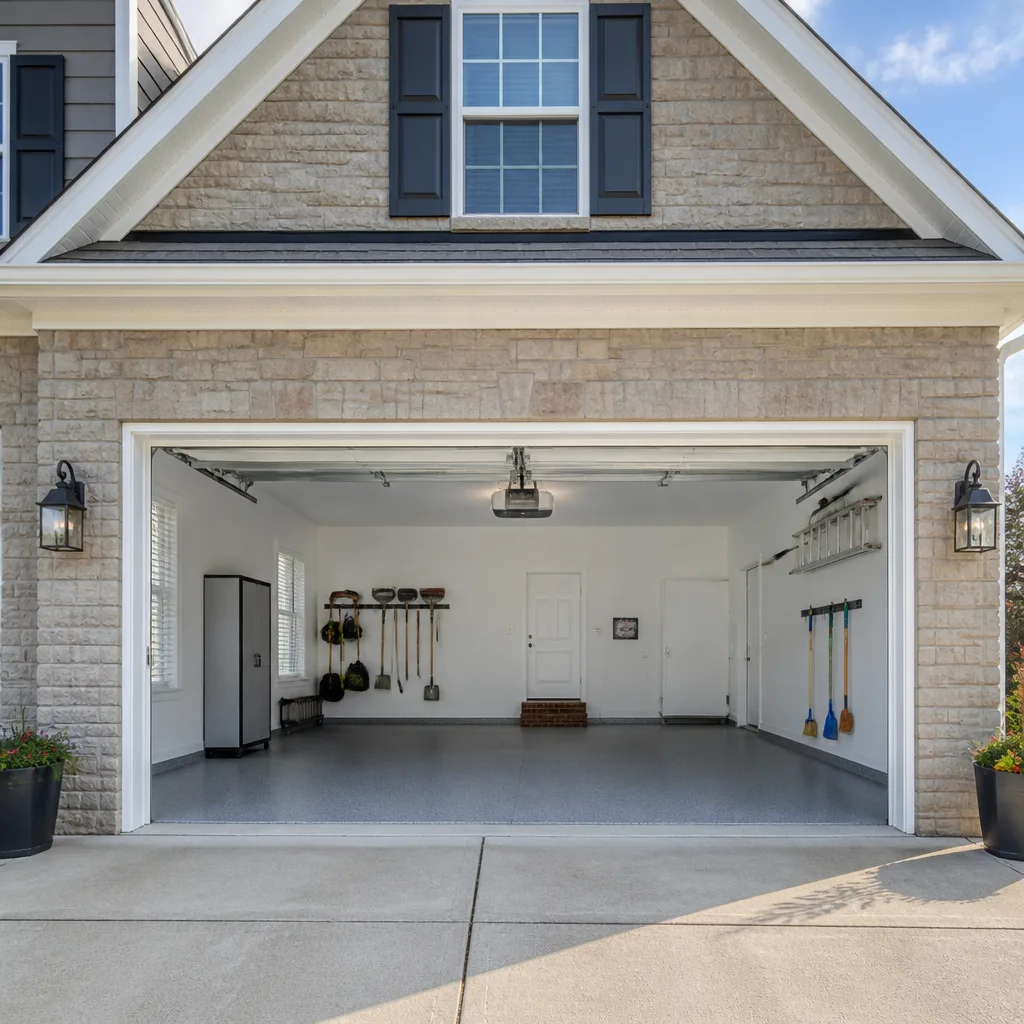 LiftMaster openers
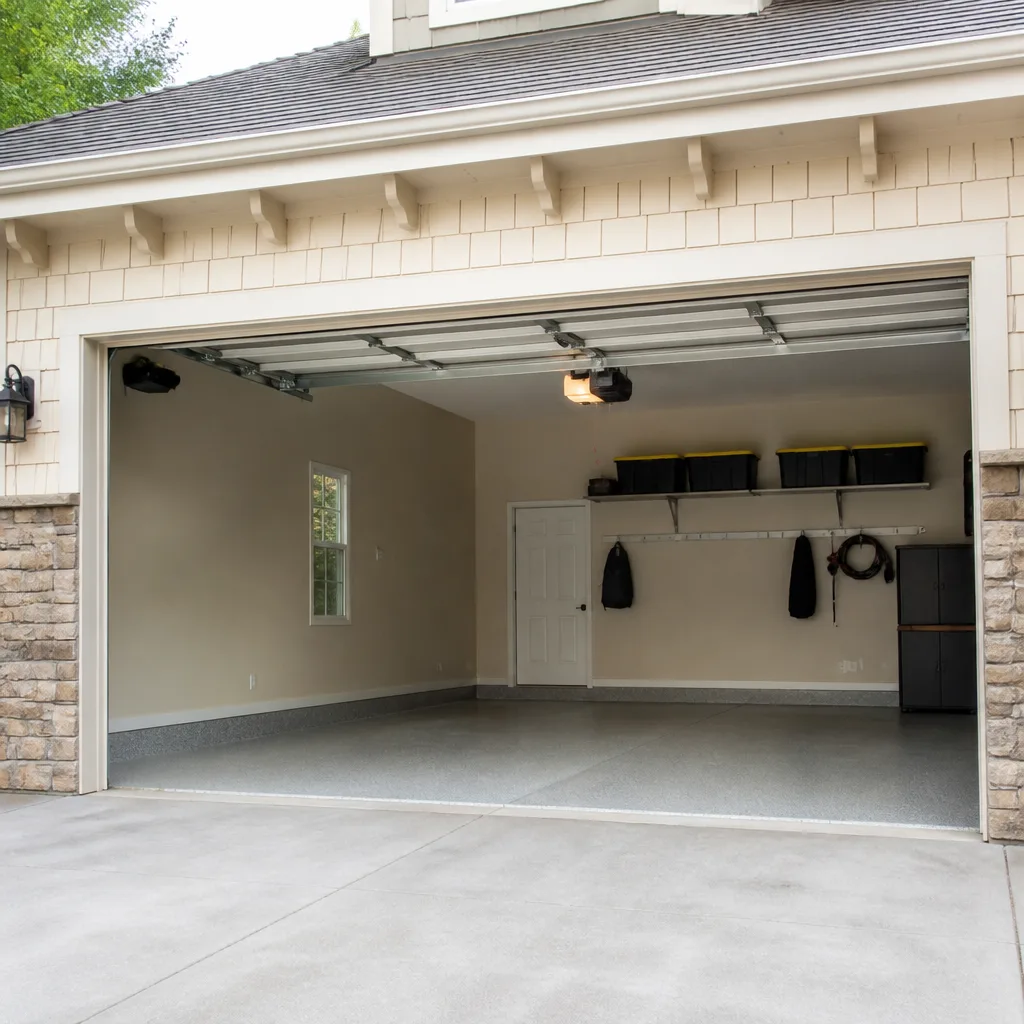 Chamberlain openers
Full 25-point door and opener safety check with every visit - springs, cables, rollers, tracks, and your LiftMaster or Chamberlain opener included
You get a price before we start. It does not change when the pro arrives.
Get your free estimateDIY vs Professional Garage Door: The Pasadena Homeowner’s Decision Guide
Most advice on this topic is too broad to be useful. “Hire a pro for garage door work” is the safe answer, but it isn’t a helpful one, because plenty of garage door jobs carry zero mechanical hazard and take about twenty minutes. A torsion spring under tension, though, stores enough energy to cause a serious injury in a fraction of a second, and that danger doesn’t care whether you’re careful. In this guide, we draw the line by component instead of by blanket rule, so you know exactly which tasks you can take on and which ones need a trained technician in Pasadena. You’ll get a risk table, the plain physics of spring tension, the Texas insurance angle, and an honest cost comparison.
Styles & brands we work with
- Raised-panel steel
- Carriage house
- Modern flush
- Full-view glass
- LiftMaster openers
- Chamberlain openers
Quick Answer
You can safely handle a few garage door tasks yourself – lubrication, photo-eye alignment, remote reprogramming, and bottom seal replacement – because they involve no stored mechanical energy. Anything that touches springs, cables, the torsion shaft, or the lift system should go to a trained technician without exception. In Pasadena, our advice is to DIY the low-risk maintenance and let a pro take the spring and cable work, because the downside of getting it wrong is physical injury, not just a bigger bill.
Table of Contents
- The three-tier risk framework: green, yellow, red
- Why torsion springs are in a category of their own
- Green-tier tasks any Pasadena homeowner can do
- Yellow-tier tasks: when DIY saves money and when it doesn’t
- Texas liability and your insurance claim
- How Pasadena’s Gulf climate affects your door
- DIY vs professional: the honest cost comparison
- Common mistakes to avoid
- When to call a professional
- Frequently asked questions
The three-tier risk framework: green, yellow, red
We’ve spent years diagnosing garage doors across Pasadena, and the pattern is consistent. The risk in a garage door isn’t about how technically difficult a job is. It’s about how much stored energy is involved and whether the wrong move can hurt you or someone in your household.
Here’s how we sort every job a homeowner might consider taking on:
| Tier | Tasks | Who should do it |
|---|---|---|
| Green – safe DIY | Lubrication, photo-eye alignment, remote reprogramming, bottom seal replacement, track cleaning | Any homeowner with basic tools |
| Yellow – DIY possible with the right tools and knowledge | Roller replacement, hinge swap, panel touch-up, weatherstrip along the sides and top | A confident DIYer with correct parts and a helper |
| Red – professional only, no exceptions | Torsion spring replacement, extension spring replacement, cable replacement, torsion shaft and drum work, opener drive train repair under tension | A trained technician with proper winding tools |
That’s the whole thesis in one table. Most garage door advice lumps everything into one category, either “call a pro for anything” or “give it a shot.” Neither is realistic. A bottom seal costs about $20 at a hardware store and you can swap it in a half hour. A torsion spring replacement involves releasing and re-winding a coil that’s holding hundreds of pounds of force. Those aren’t the same job, and they don’t belong in the same recommendation.
Use the table as your first filter. If the task you’re considering involves the springs, the cables, or anything physically attached to the torsion shaft, stop and call someone. Everything else, read on.
Why torsion springs are in a category of their own
If there’s one thing we want you to take away from this guide about Pasadena garage door work, it’s this: torsion springs are not a “be careful and it’ll be fine” job. They’re a “the wrong move can kill or maim you” job, and that distinction requires a trained technician.
Here’s what’s actually happening. Your garage door weighs hundreds of pounds. The torsion spring or springs mounted on the header above the door are wound tight enough to counterbalance most of that weight, so the opener only has to move a relatively light door. That spring lives in a permanent state of stored tension. It’s not like a job that’s “dangerous if you’re careless.” The energy is already there, waiting, the entire time the door is at rest.
When a spring breaks – which they eventually do – the release of that energy is violent and sudden. And when a homeowner tries to loosen, wind, or unwind a torsion spring without the right winding bars and the right technique, the bar can slip, the spring can unwind unpredictably, and the injury is often to the hands, wrists, or face. Professional technicians use specific winding bars, count quarter turns against a chart for the door’s height and weight, and are trained to read the tension as they go. That’s not a way to make it sound complicated. It’s the actual reason the job is classified red-tier.
This is why spring work is a standalone specialty in this trade. If you take nothing else from this decision guide, let it be this: Springs are dangerous. Leave it to a trained technician. If a spring is visibly broken or you hear a loud bang from the garage, don’t touch the door. Keep it closed, call a pro, and treat the door as unsafe until it’s assessed. Our garage door spring repair technicians handle this work specifically, because it’s the one garage door task where the risk is genuinely your safety.
Green-tier tasks any Pasadena homeowner can do
These tasks involve no stored mechanical energy and no chance of the door coming down on you. You can take them on with basic hand tools and about twenty minutes. Honestly, doing these yourself costs you nothing but the time, and regular maintenance in Pasadena’s humidity does extend the life of your hardware.
1. Lubricate the moving parts. Once or twice a year, wipe down the hinges, rollers, and track with a rag, then apply a garage-door-specific lubricant to the hinge pivots and roller bearings. Don’t use cooking spray or generic oil on the track itself. Lubricant keeps rollers rolling instead of dragging, which reduces strain on the opener motor. This is the single highest-value DIY task on the list.
2. Align the safety photo eyes. If your door closes partway and reverses, a misaligned photo eye is often the cause. The two sensors mounted at the base of the track should face each other with their lights steady. A light that’s blinking or off means misalignment or a wiring issue. Gently reposition the bracket, wipe the lens, and check that the indicator stays solid. Most modern openers from LiftMaster, Chamberlain, and Genie use this same setup, so the fix is the same regardless of brand.
3. Reprogram a remote or keypad. A remote that’s stopped working is almost always a programming or battery issue, not a failing opener. Read the manual (or search the model number), follow the learn-button sequence, and pair the remote again. This is entirely safe, and it’s typically the first thing to check before assuming the opener needs service.
4. Replace the bottom seal. The rubber seal along the bottom of your door takes a beating from Pasadena’s heat and humidity. If it’s cracked, torn, or letting water pool inside, cut a new seal to width and slide it into the channel, or replace the retainer if it’s damaged. A hardware store seal is generally inexpensive, and no mechanical parts are under tension here. If you’re unsure what size to order, measure the retainer channel, not just the door width.
Yellow-tier tasks: when DIY saves money and when it doesn’t
Yellow-tier tasks are doable by a confident DIYer, but only if you have the right tools and a solid understanding of what you’re handling. This is where DIY actually earns its keep, and it’s also where a “small job” can go sideways and cost more than hiring someone.
Yellow-tier tasks include replacing a section of rollers or hinges that have visibly worn, swapping the side and top weatherstrip, or painting and touching up panels on a Clopay or Amarr steel door. None of these involve the springs. All of them can be done by a homeowner with a helper, some patience, and the correct replacement parts – usually available by door model.
Where DIY on yellow-tier tasks makes sense:
- The job doesn’t touch the springs, cables, or torsion shaft in any way.
- You can find the exact part for your door model or opener model, and you’ve confirmed it fits.
- You have the tools the job calls for, not improvisations (a proper socket set, not a wrench that’s slightly too big).
- You have a second person for anything that requires holding a door panel or a track steady.
- The door can stay fully closed and locked while you work.
Where DIY on a yellow-tier task actually costs more:
- You buy the wrong part, install it, and it wears out in weeks, then you buy the right one and pay twice.
- You misdiagnose the problem. A door that feels heavy isn’t a roller problem – that’s a sign of a spring issue, and rollers won’t fix it.
- You introduce misalignment. A track that’s been bumped or a hinge installed wrong can rub, drag, and strain the opener until it fails.
- You delay. A worn roller or a damaged seal left alone for months can lead to a bigger opener or hardware problem.
In our experience, the yellow tier is where “I’ll just try it myself” makes sense when the part is cheap and the diagnosis is certain. It’s where you should stop and get a professional opinion when the diagnosis is in doubt. A free estimate tells you what you’re actually dealing with before you spend money on parts that may not be the fix.
Texas liability and your insurance claim
This is the part of the decision no garage door brand’s manual will tell you. What happens after a DIY repair goes wrong has consequences beyond the door itself.
Consider what happens if a DIY repair results in property damage or injury. If an unsecured or improperly adjusted door comes down on a vehicle, or a spring-related repair you attempted causes an injury to someone in the household, your homeowner’s insurance response can be affected by whether the loss stems from a failed DIY repair. That’s not a scare tactic; it’s the way insurance claims generally work across Texas – coverage is assessed case by case, and a repair that was never correctly completed becomes a question the insurer will ask.
The clearer point concerns the door’s role in your home. A garage door that’s been worked on by someone without training – especially anything involving the springs, cables, or opener tension – may operate in ways you don’t notice until something fails. A homeowner who’s not sure what’s been done to the door, or whether a repair was completed properly, has a hard time answering the questions their insurer will ask.
If you’ve already attempted a repair and something feels off, don’t ignore it. Get a professional assessment. For Pasadena homeowners, we recommend keeping records: who worked on the door, what was replaced, and when. That documentation matters if you ever file a claim or sell the home. Our garage door repair team can inspect a door that’s had prior DIY work and confirm whether it’s operating safely before you rely on it.
How Pasadena’s Gulf climate affects your door
Pasadena sits in the Gulf coastal plain, and that has real implications for your garage door hardware. Winters here are mild, so you’re not dealing with the deep cold that cracks springs in northern states. What you do get is humidity – a lot of it for months at a time – and summer heat that bakes the garage interior.
That combination affects your door in specific ways. Humidity accelerates corrosion on steel tracks, rollers, and hinge hardware. If your rollers have never been lubricated, they’ll begin to drag in a way that’s noticeable in July and August. Heat expands and contracts the door panels and can loosen the fit of a Clopay or Wayne Dalton steel door over time, causing rattles that are usually fixable with an adjustment but annoying until you address them.
The bottom seal, exposed to heat and ground moisture, degrades faster here than in drier climates. That’s why we put bottom seal replacement in the green tier and suggest checking it once a year. A cracked seal lets moisture and pests into the garage; a good seal doesn’t. If you’re in an area of Pasadena with a lot of seasonal rain, checking the seal in early summer (before the wettest stretches) catches most problems early.
What you don’t need to worry about here is freeze damage. The winters are mild enough that frozen pipes and frost-related spring failures aren’t part of the local garage door story. The maintenance that matters in Pasadena is lubrication, seal integrity, and keeping tracks clean and aligned so your opener isn’t competing with friction all summer.
DIY vs professional: the honest cost comparison
This is where the DIY vs pro question gets practical. The green tier almost always favors DIY, because the parts are cheap and the risk is close to zero. The red tier almost always favors professional work, because a costly mistake is common and the physical risk isn’t worth taking. The yellow tier is where the math actually matters.
Here’s how it breaks down by job type:
| Task | DIY approach | Professional approach |
|---|---|---|
| Lubrication | Minutes and a can of garage-door lubricant | Minimal – usually part of a service visit |
| Bottom seal replacement | Seal cost plus about 30 minutes | Estimate based on door width and retainer type |
| Remote / keypad programming | Free – just the manual | Only worth a call if the opener itself is failing |
| Roller / hinge replacement | Part cost if you have the right ones | Included in a repair estimate with inspection |
| Torsion spring repair | Not recommended at any cost | Typically quoted per spring, with a written estimate before work begins |
| Cable replacement | Not recommended at any cost | Quoted with inspection of track and drums |
| Opener repair | Risk of misdiagnosis | Estimate after a technician checks the opener and drive train |
The honest cost figure for spring and cable work is per job, based on your door. We don’t publish a one-size number because the right price depends on the door’s size, the spring types, and the state of the surrounding hardware. What we can tell you is that the written estimate sets the final price, and the price is agreed before any work starts.
Where DIY on yellow-tier tasks genuinely saves money: when the part is cheap, the diagnosis is certain, and you have the tools. Where it doesn’t: when you’re guessing at the diagnosis. Every dollar you spend on the wrong part is a dollar you spent on parts you’ll never use, plus the time to install them and the delay before the real fix.
For a proper breakdown of costs by job type, our Pasadena Garage Door Repair Pros team quotes every estimate in writing. That’s how you compare a DIY plan against a professional one honestly.
Common Mistakes to Avoid
- Trying to adjust or wind a torsion spring yourself. This is the mistake that sends people to the emergency room. The spring holds hundreds of pounds of force, and there’s no “careful” version of loosening it without training. Leave it to a professional every time.
- Ignoring a door that’s getting heavier to lift. A door that feels noticeably harder to raise by hand often has a spring problem, not a lubrication problem. Keep operating it and you’re asking more of the opener motor each time, which can shorten the opener’s life or fail at the worst moment.
- Using the wrong lubricant. Cooking spray, WD-40, and general-purpose oils can attract dust and gum up rollers. Use a product made for garage door hardware, and apply it to the hinges and bearings rather than coating the whole track.
- Buying a replacement remote or opener without checking compatibility. A Genie remote isn’t going to work with a LiftMaster opener, and older mechanical units often need different parts than newer Wi-Fi-enabled ones. Confirm the model number before you buy.
- Assuming a Pasadena door that reverses must need a new opener. That behavior is usually a photo eye alignment issue, and it’s a green-tier fix. Diagnose the sensor first.
- Leaving the bottom seal cracked through the rainy season. In our climate, a failed seal lets moisture into the garage and invites pests. A light and inexpensive fix done before the wet season avoids bigger damage.
- Skipping the professional inspection after a DIY attempt. If you worked on the door yourself and something still feels off, get it looked at. A door that operates unevenly can be a symptom of a problem that got worse, not better.
When to Call a Professional
Call a professional in Pasadena if any of these are true: a spring is broken or the door is too heavy to lift by hand; you hear a bang from the garage; the door comes off the track or hangs crooked; the cables are frayed, loose, or the door looks out of alignment; the opener runs but the door doesn’t move; the door reverses partway every time and photo-eye alignment doesn’t fix it; or you’ve had any prior DIY work done and the door still feels wrong.
Those are the situations where a trained eye saves you time, money, or injury. Our technicians have up to 10 years of experience, and we work on the brands that are already on your home – LiftMaster, Chamberlain, Genie, Clopay, Amarr, Wayne Dalton, Craftsman, and Raynor – so there’s no wondering whether we know your system.
Pasadena Garage Door Repair Pros offers free estimates in Pasadena. Call (866) 964-5170 and we’ll tell you whether you’re looking at a green-tier maintenance item or a red-tier safety job. We’d rather give you a straight answer than an upsell.
Frequently Asked Questions
No. Torsion and extension spring replacement should always be done by a trained technician because the spring stores enough energy to cause serious injury in a fraction of a second. There’s no safe DIY version of this job, even for a careful homeowner. Call (866) 964-5170 for a free estimate on spring repair.
Lubricating the hinges and rollers, aligning the safety photo eyes, reprogramming a remote or keypad, and replacing the bottom seal are all safe to do yourself, because none of them involve the tensioned parts of the door. Roller and hinge replacement is doable with the right parts and a helper. Anything touching the springs, cables, or torsion shaft is not. Our garage door opener repair team can help if a task turns out to be bigger than expected.
It depends on the repair and what happens afterward. In general, if a DIY repair is involved in a property damage or injury event, the insurer will look at how the work was done and whether it was properly completed, and that can affect how the claim is assessed. Keeping records of who worked on the door and when is the practical step. For safety-critical work like springs and cables, hiring a trained technician keeps that question out of the picture.
If the door opens and closes normally and you’re just hearing a squeak or a rattle, that’s usually maintenance – lubrication or a small adjustment. If the door is hard to lift, reverses partway, comes off its track, or makes a loud bang, that’s repair. Our garage door spring repair service and general repair service both start with a diagnosis so you know which you’re facing before any work is quoted.
We service LiftMaster, Chamberlain, Genie, Clopay, Amarr, Wayne Dalton, Craftsman, and Raynor products, covering both modern Wi-Fi-connected openers and older mechanical units. If your opener is one of those brands, we know the system and have the parts knowledge to service it. If it’s a brand outside that list, call us and we’ll confirm before you book.
A garage door that feels much heavier than it used to usually has a spring that’s weakening or broken, or a cable or track problem that’s loading the door incorrectly. Don’t keep operating it by hand or with the opener while it feels this way. This is a call-a-professional situation, and it’s worth having someone look at it before the opener motor or the door itself takes more damage. Call (866) 964-5170 for a free estimate.
The Bottom Line
The DIY vs pro question for garage doors isn’t about your skill. It’s about which components carry physical risk. Green-tier tasks – lubrication, photo-eye alignment, remote programming, bottom seal replacement – are safe, cheap, and worth doing yourself. Yellow-tier tasks like roller and hinge swaps make sense when the diagnosis is certain and you have the right parts. Red-tier tasks – anything involving springs, cables, or the torsion shaft – belong to a trained technician, full stop. In Pasadena, that means regular maintenance you handle plus safety work you hand off. One call covers it when the job is beyond the green tier.
If you’re not sure which tier you’re facing, that’s the best time to call. Pasadena Garage Door Repair Pros offers free estimates to homeowners across Pasadena – call (866) 964-5170 and we’ll walk you through the options, whether that’s your own maintenance or our professional garage door repair service.
Written by the team at Pasadena Garage Door Repair Pros.
See the difference
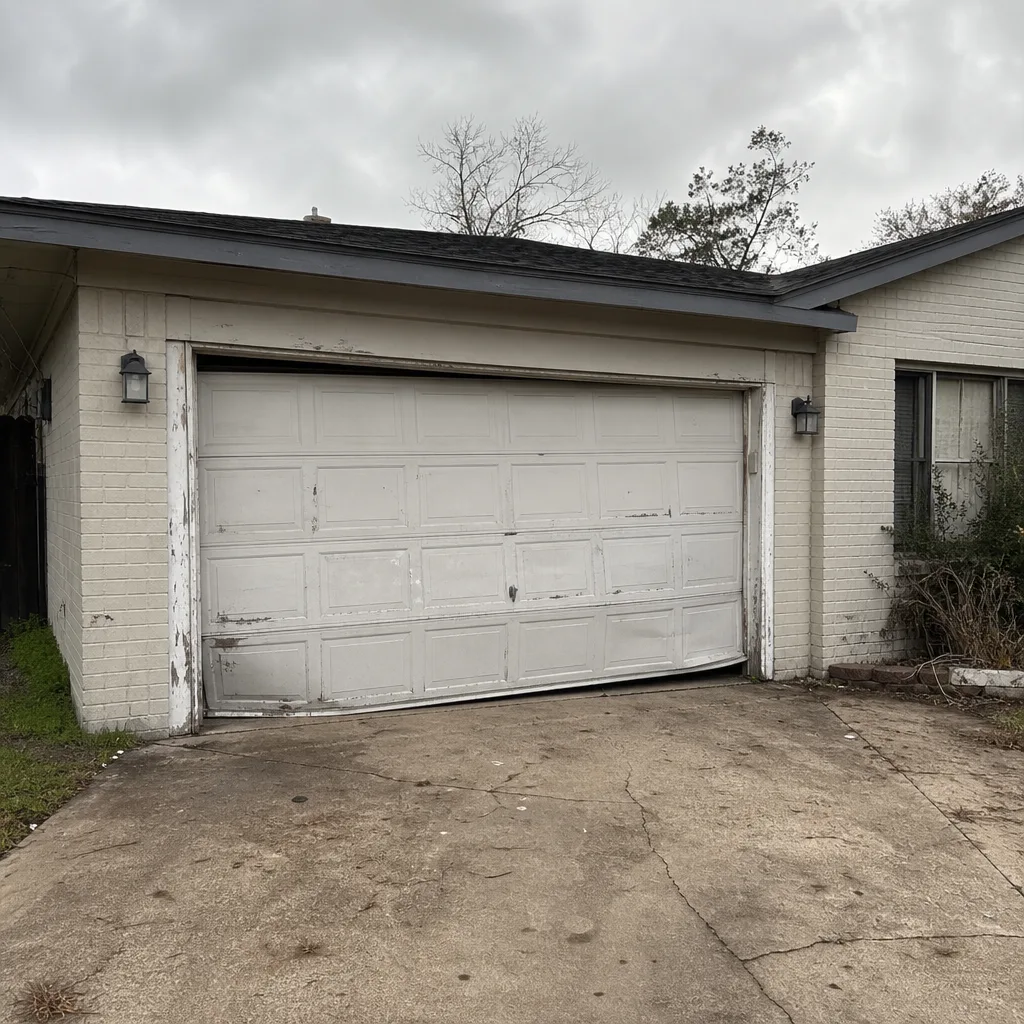 Before
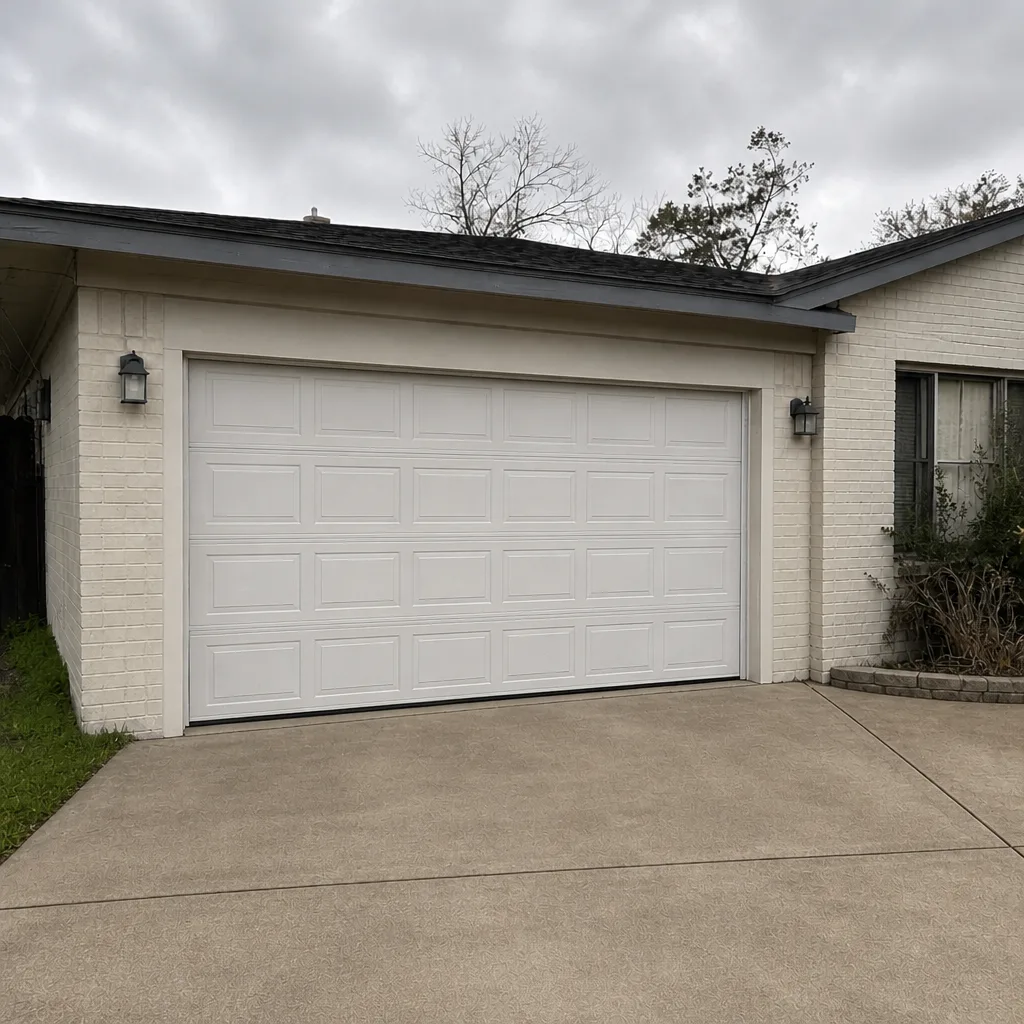 After
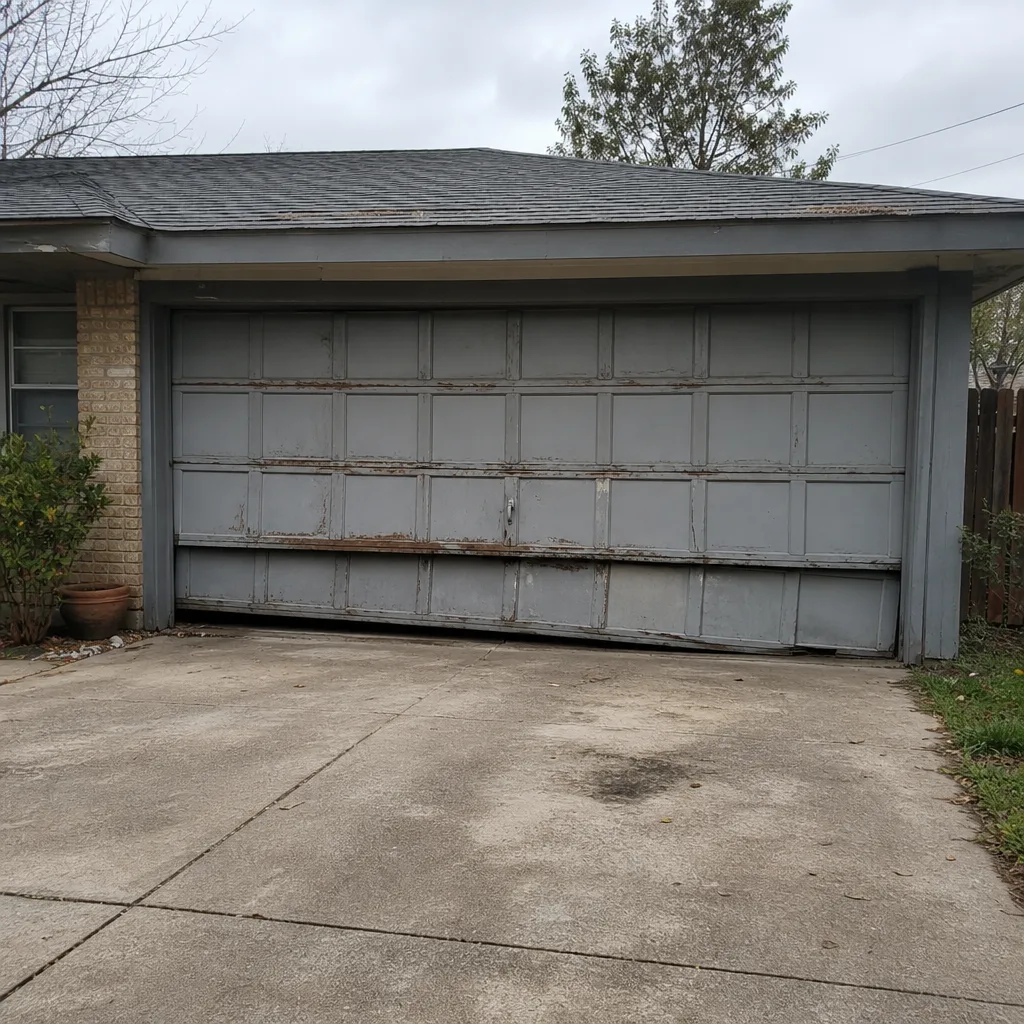 Before
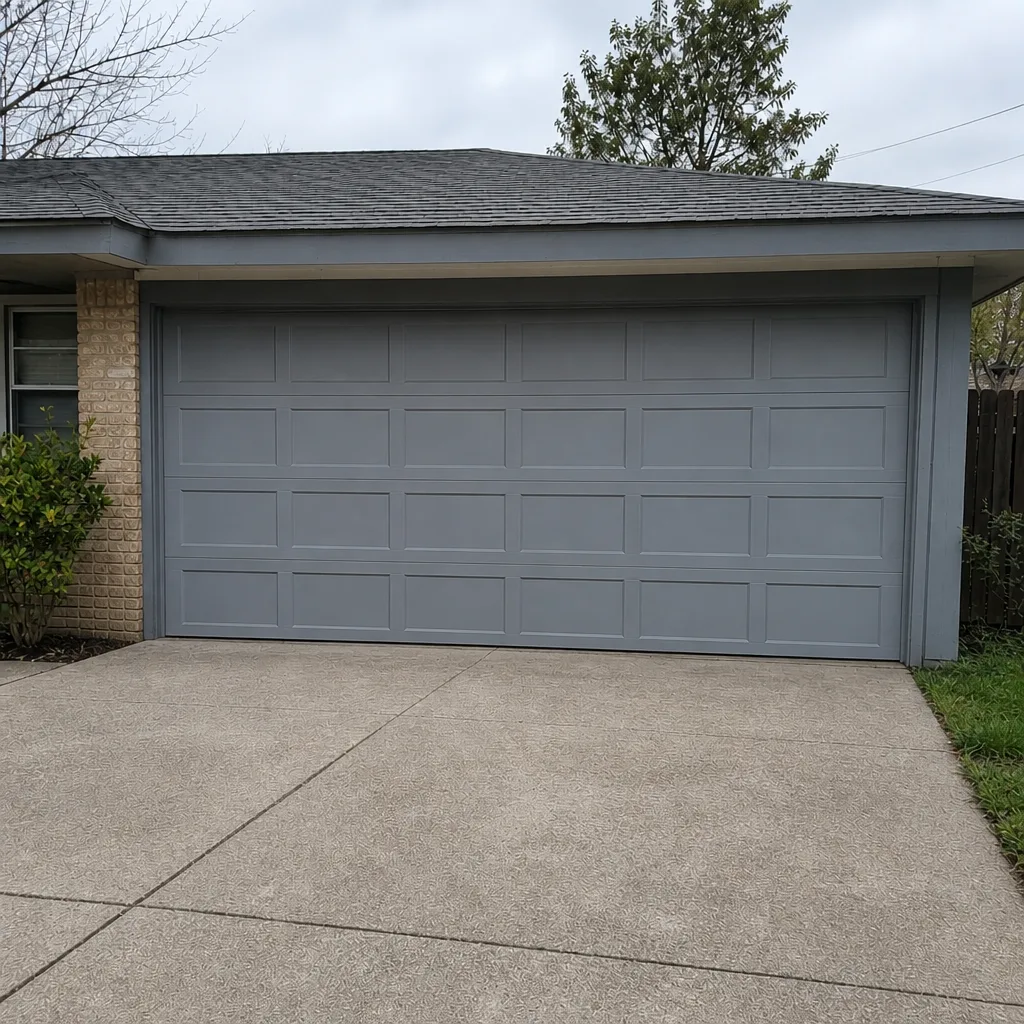 After
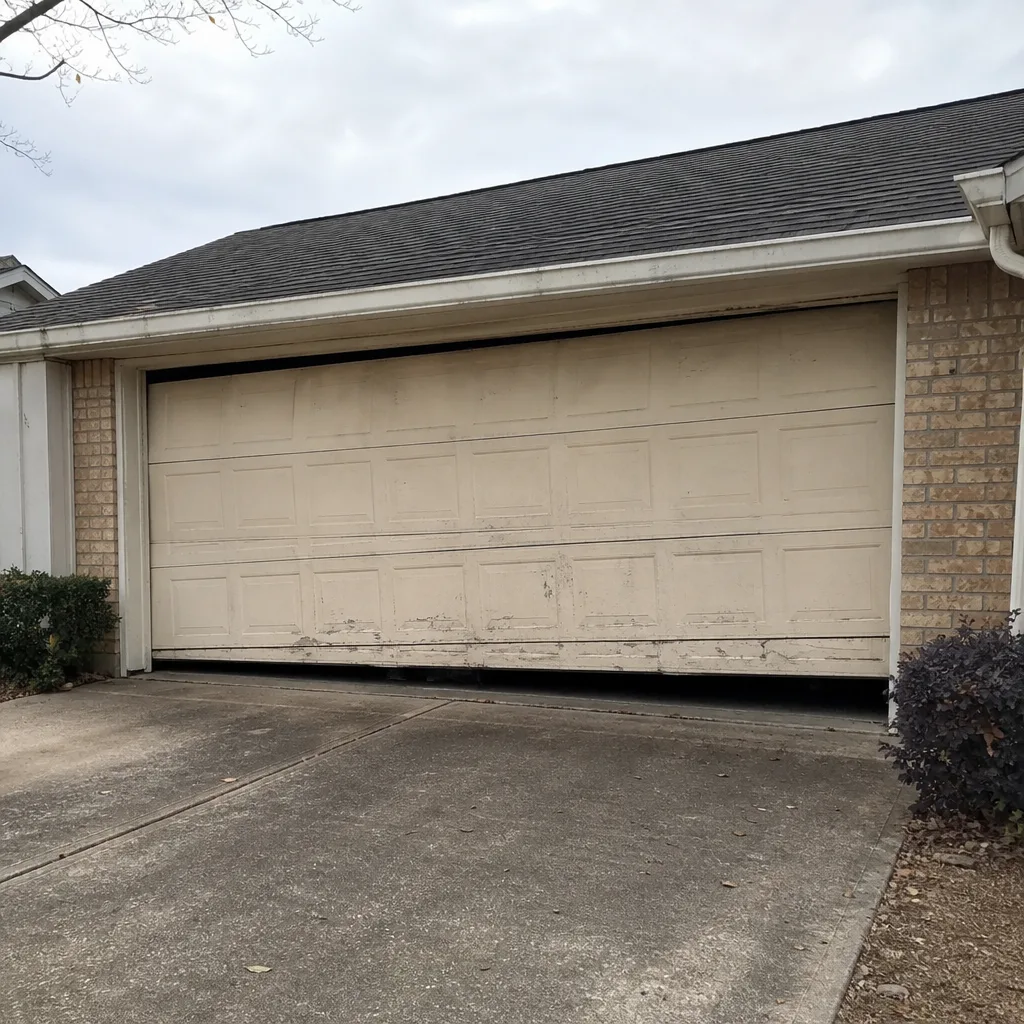 Before
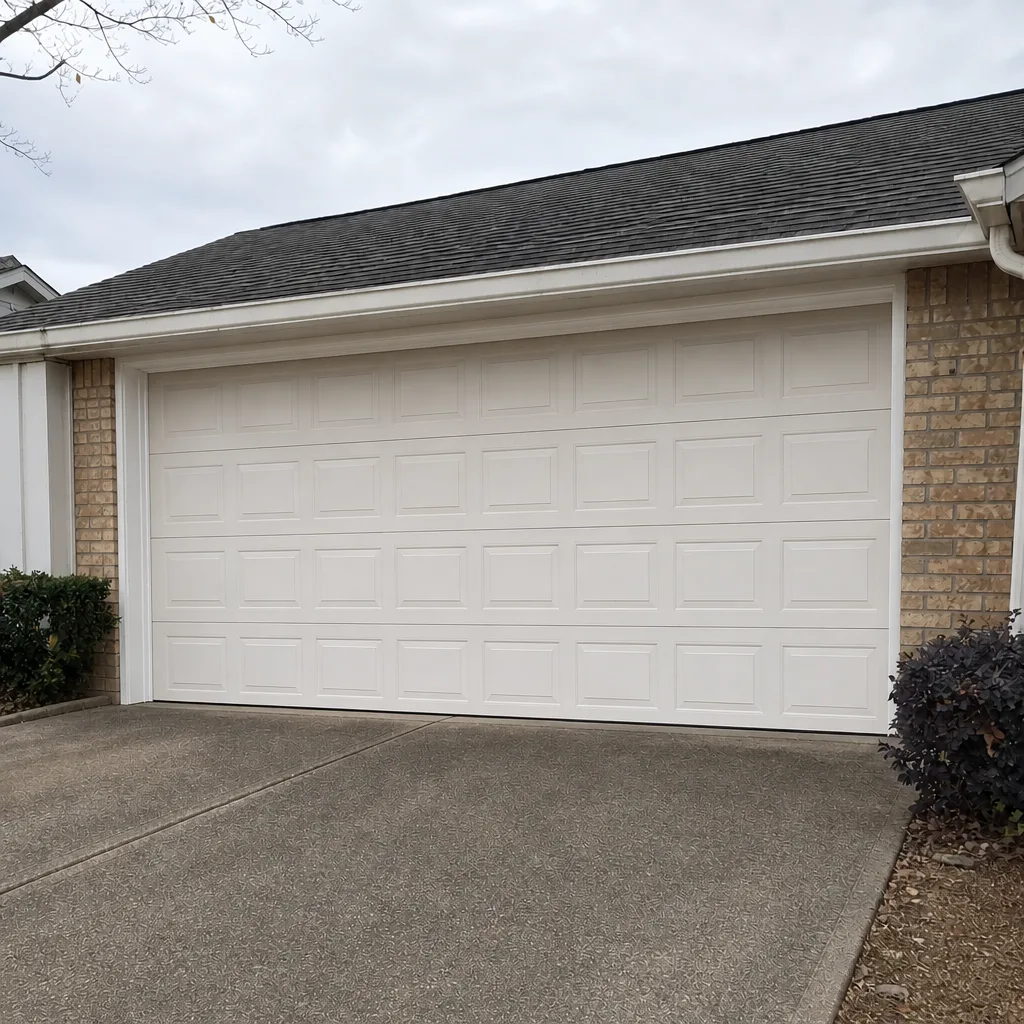 After